Company Valuation Essentials
Introduction to Company Valuation
What's a Company Worth?
Before you buy a house, you get it appraised. You want to know its true value so you don’t overpay. Company valuation is the same idea, but for businesses. It's a process for figuring out the economic worth of a company.
Why does this matter? For investors, valuation is everything. It helps you look past the day-to-day noise of the stock market to see the underlying value of a business. A solid valuation helps you make smart decisions, like spotting a great company trading for less than it's worth or avoiding a hyped-up stock that's doomed to fall. It’s the foundation of disciplined investing.
Valuation is a cornerstone in the realm of mergers and acquisitions (M&A), where it serves as a critical tool for determining the worth of a target company.
Price vs. Value
It's easy to confuse a company's price with its value, but they are two different things. Understanding the distinction is one of the most important concepts in investing.
A company's market value is what you see on a stock ticker. It's the current share price multiplied by the total number of shares. This price is set by supply and demand in the market. It can swing wildly based on news, investor sentiment, or broad economic trends. In short, it’s what people are willing to pay for the company right now.
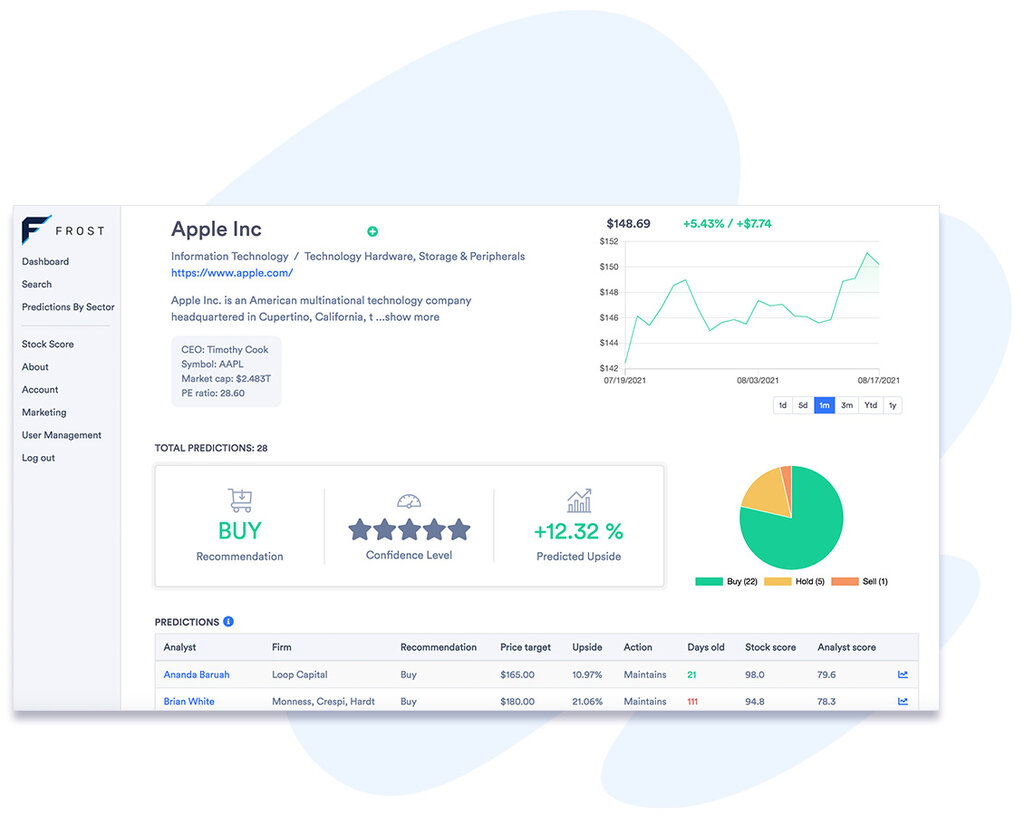
On the other hand, a company's intrinsic value is its true, underlying worth. This value comes from its fundamental strengths: its assets, its ability to generate cash, and its future growth prospects. Unlike market value, intrinsic value isn't displayed on a screen. It’s an estimate that an investor calculates through careful analysis.
Intrinsic Value
noun
An estimate of an asset's true worth based on a deep analysis of its underlying financial health and future potential, independent of its current market price.
The goal for many investors is to find companies where the intrinsic value is higher than the market value. This gap between value and price is what creates an opportunity. It's like finding a great house listed for sale below its appraised value.
The key takeaway is simple: Market price is what you pay. Intrinsic value is what you get.
Why a Dollar Today Is Worth More
Another core idea in valuation is the time value of money. It sounds complicated, but it's a simple concept you already understand intuitively.
Imagine someone offers you $1,000. You can have it today, or you can get the exact same amount one year from now. Which do you choose? You'd probably take the money today. Why? Because you can do something with it. You could invest it, and in a year, it would be worth more than $1,000. A dollar in your hand today is worth more than a dollar you have to wait for.
This principle is crucial for company valuation because businesses are valued based on the future cash they are expected to generate. To figure out what those future earnings are worth today, we have to "discount" them. In other words, we calculate their present value. This process is a fundamental part of determining a company's intrinsic value.
How Do You Find the Value?
Analysts use several different methods to value a company, but they generally fall into two main camps: intrinsic valuation and relative valuation.
Intrinsic valuation focuses on the company itself. The most common method here is the Discounted Cash Flow (DCF) analysis. This approach forecasts a company's future cash flows and then discounts them back to today's value to estimate what the company is worth. It's about calculating value from the inside out.
Relative valuation, on the other hand, looks at what similar companies are worth. This method uses metrics like the Price-to-Earnings (P/E) ratio to compare a company to its competitors or to the industry average. The idea is that similar companies should have similar valuations. It's a way of valuing a company by looking at it from the outside in.
| Valuation Approach | Core Idea | Common Methods |
|---|---|---|
| Intrinsic Valuation | A company's value is based on its ability to generate cash in the future. | Discounted Cash Flow (DCF) |
| Relative Valuation | A company's value can be estimated by comparing it to similar companies. | Price-to-Earnings (P/E) Ratio, Comparable Company Analysis |
Neither approach is perfect. That's why analysts often use a combination of methods to get a more complete picture of a company's value. Using multiple techniques provides a more balanced and reliable estimate.
Now that we have the basic concepts down, you're ready to explore how these methods work in practice. Let's test your understanding of these foundational ideas.