Company Growth and Organizational Structure
Introduction to Organizational Architecture
The Blueprint of a Business
Before you build a house, you need a blueprint. It shows where the walls go, how the rooms connect, and how the whole structure holds together. Without it, you'd end up with a chaotic mess.
Organizational architecture is the blueprint for a company. It’s the formal structure that outlines how work gets done, who is responsible for what, and how information flows. This isn't just about drawing an org chart; it’s about intentionally designing a system of roles, responsibilities, and processes that guide a company toward its goals.
A corporate structure refers to the organizational design and layout of a company, including its various departments, teams, and positions.
Think of it as the skeleton of the business. It provides the framework that supports everything else, from daily operations to long-term strategy. A weak or poorly designed structure can cause confusion, inefficiency, and stalled growth.
Why Good Design Matters
A well-designed organization runs like a smooth machine. Everyone knows their role, communication is clear, and decisions are made efficiently. A poorly designed one, however, is a source of constant friction. Deadlines are missed, tasks are duplicated, and employees feel frustrated and directionless.
The goal of organizational design is to create a structure that helps the company execute its strategy effectively. It’s about creating clarity, not confusion.
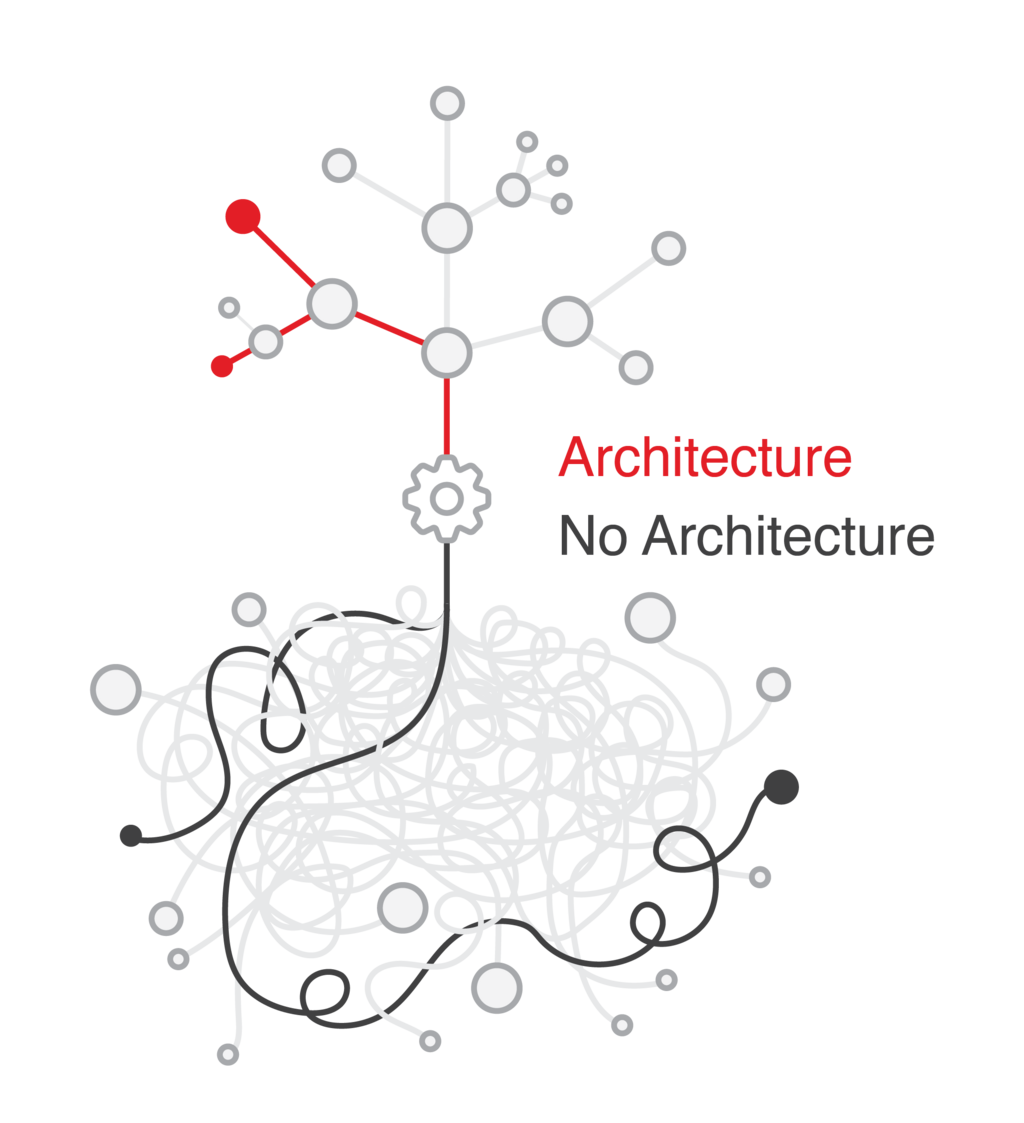
A strong architectural design clarifies how the different parts of the business fit together. It ensures that individual efforts contribute to the company's overall objectives, preventing teams from working in silos or at cross-purposes. When the structure aligns with the company’s goals, the path to achieving them becomes much clearer.
Good organizational design removes guesswork. It clarifies who does what and how different parts of the company work together.
The Basic Building Blocks
Every organization, regardless of its size or industry, is built from a few fundamental components. How these pieces are arranged determines the company's overall shape and functionality.
Hierarchy
noun
The arrangement of individuals within an organization according to power, status, and job function.
Often called the "chain of command," hierarchy defines reporting lines. It answers the simple question: who reports to whom? A clear hierarchy ensures that everyone has a manager to turn to for guidance and that accountability is maintained throughout the organization. This can be visualized in a classic organizational chart, with the CEO at the top and layers of management branching out below.
Division of Labor: This refers to how tasks are divided among employees. Instead of one person doing everything, work is broken down into specialized jobs. This leads to departments like marketing, finance, and engineering. Specialization allows employees to become experts in their fields, increasing efficiency and quality.
Span of Control: This is the number of employees a manager directly supervises. A narrow span of control means a manager has few direct reports, leading to a "tall" organization with many layers of management. A wide span of control means a manager oversees many employees, creating a "flat" organization with fewer layers. Each has its pros and cons related to communication speed and managerial oversight.
Centralization: This describes where decisions are made. In a highly centralized organization, top-level managers make most of the key decisions. In a decentralized organization, decision-making authority is pushed down to lower-level managers and employees, empowering them to act more quickly.
Now, let's test your understanding of these core concepts.
What is the primary purpose of organizational architecture?
When a company organizes its work into specialized departments like marketing, finance, and engineering, which fundamental component of organizational design is it primarily using?
These building blocks are the foundation of any organizational structure. How they are combined and balanced has a massive impact on a company's culture, agility, and ability to grow.