Company Culture for Behavioral Interviews
Understanding Company Culture
What is Company Culture?
Think of a company's culture as its personality. It’s the shared set of values, beliefs, and practices that shape how people work and interact. This isn't just about office perks like free snacks or ping-pong tables. It's the underlying vibe of the workplace, influencing everything from decision-making to how teams celebrate success.
Company Culture
noun
The shared values, attitudes, standards, and beliefs that characterize members of an organization and define its nature.
Culture dictates whether a workplace is formal or casual, fast-paced or methodical, collaborative or independent. It’s the invisible force that guides what is encouraged, discouraged, accepted, or rejected within a group. Understanding this personality is key to figuring out if a company is the right place for you.
The Building Blocks of Culture
A company's culture is made up of several key components. While some are written down for everyone to see, others are unwritten rules you only pick up on once you're part of the team. Let's break down the most important ones.
Mission and Vision Statements
A company’s mission statement explains its purpose. It answers the questions, "What do we do?" and "Why do we do it?" It's the organization's reason for existing.
A vision statement is about the future. It describes where the company wants to go and what it hopes to achieve. It’s the big-picture goal that inspires and motivates.
Core Values
Core values are the fundamental beliefs that guide a company's actions and decisions. They are the principles that employees are expected to embody. These aren't just nice-sounding words on a website; they are meant to be the bedrock of the company’s culture.
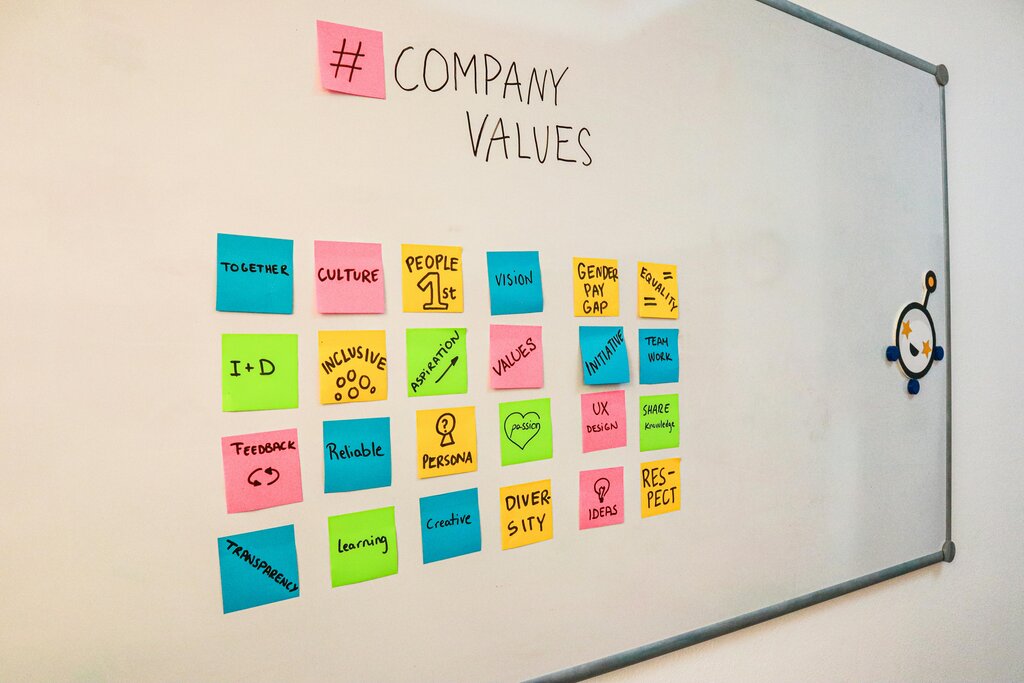
Values like "Integrity," "Innovation," "Customer First," or "Teamwork" tell you what the company prioritizes. For example, a company that values "Bias for Action" will likely have a fast-paced environment where employees are empowered to make quick decisions.
Work Environment
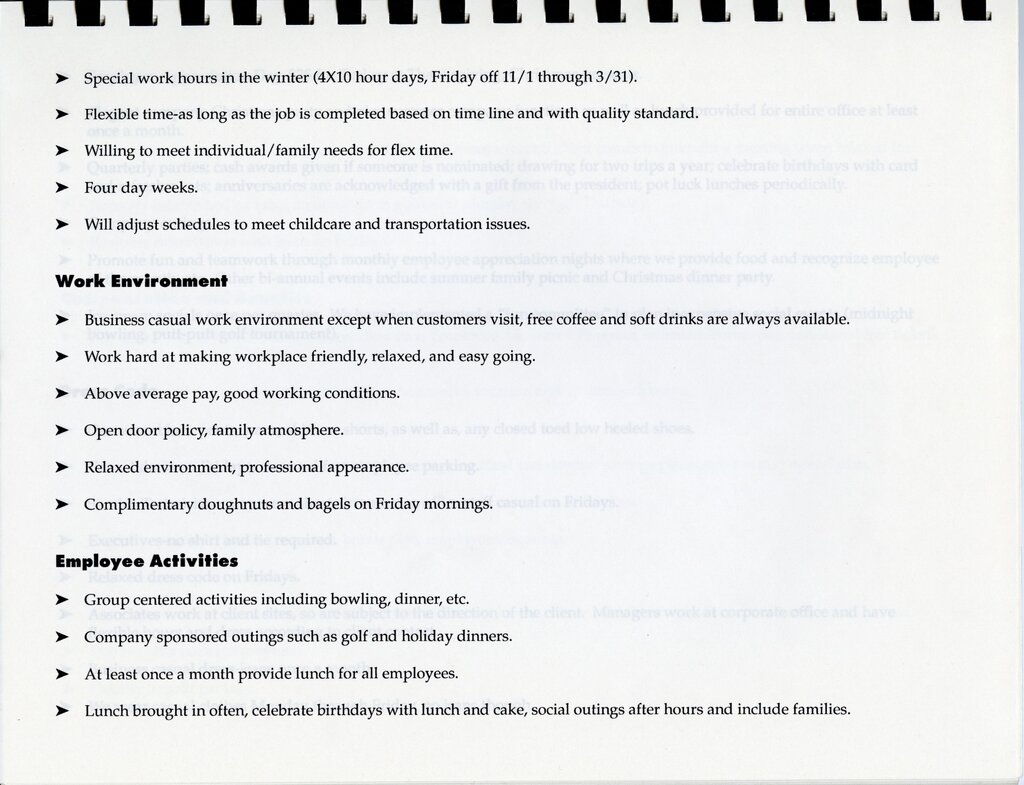
The work environment is the physical and social setting of a workplace. This includes the office layout (open-plan vs. cubicles), remote work policies, and the overall atmosphere. Is it a quiet, heads-down space, or a bustling, social hub? The environment directly impacts how people work together.
Communication Styles
How information flows within a company is a huge part of its culture. Is communication formal, with structured meetings and detailed emails? Or is it informal, relying on quick chats and instant messaging? Understanding the communication style helps you know how to interact effectively with colleagues and managers.
| Style | Top-Down Communication | Bottom-Up Communication |
|---|---|---|
| Flow | Information flows from leadership down to employees. | Ideas and feedback flow from employees up to leadership. |
| Best for | Quick decisions, clear directives. | Fostering innovation, employee engagement. |
| Culture Type | Often more formal and hierarchical. | Typically more collaborative and flat. |
Why Does Culture Matter?
Company culture has a direct impact on employee satisfaction and performance. A positive culture can lead to higher engagement, better teamwork, and lower turnover. When your personal values and work style align with the company's culture, you're more likely to feel motivated, supported, and happy in your role.
Hiring for culture is about hiring team members who will thrive in your culture when it’s at its best, and they are at their best.
Conversely, a culture mismatch can be a major source of stress and frustration. If you thrive on collaboration but land in a company that prizes individual achievement above all else, you might struggle to find your footing. That's why understanding a company's culture is a critical step before you even apply for a job.