Company Culture Analysis for Behavioral Interviews
Understanding Company Culture
What Is Company Culture?
Think of company culture as the personality of an organization. It’s the shared set of values, beliefs, and practices that guide how people behave and work together. It’s the 'vibe' you feel when you walk into an office or join a virtual meeting.
This personality isn't just about surface-level perks like free snacks or a casual dress code. It runs much deeper. Culture dictates how decisions are made, how employees interact with their managers, and what behaviors are rewarded or discouraged. It’s the collection of unwritten rules that shape the daily experience of working at a company.
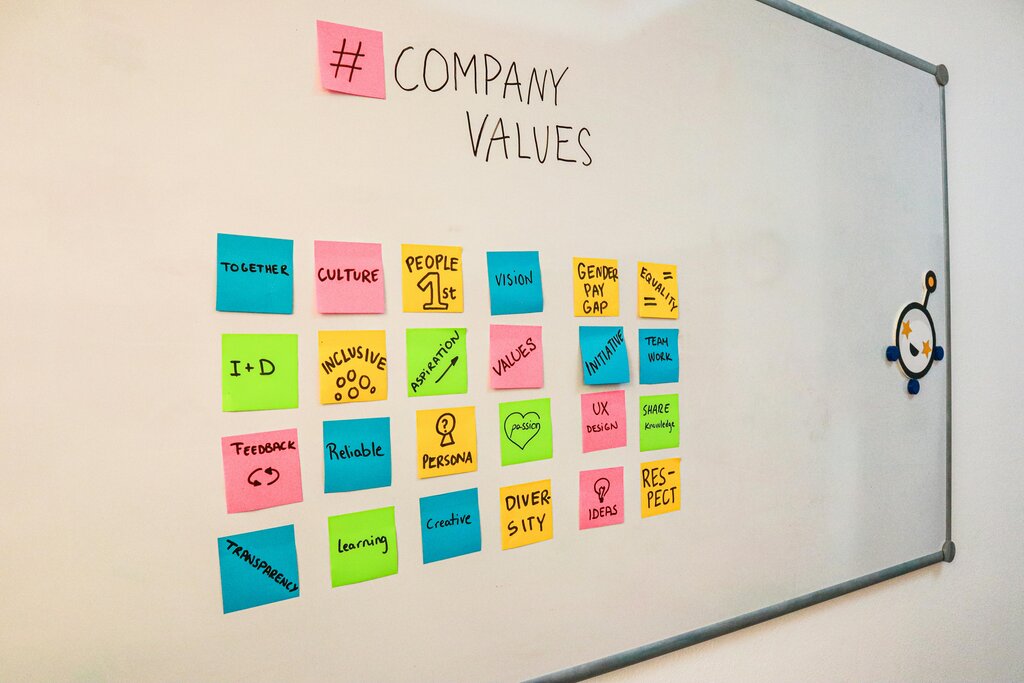
Why Culture Matters
A company's culture has a huge impact on both its employees and its overall success. For employees, finding a culture that fits your working style can be the difference between a job you love and a job you dread. It influences your satisfaction, motivation, and sense of belonging.
For the business, a healthy culture is a powerful asset. It helps attract and keep talented people, encourages innovation, and drives performance. When everyone is aligned with the company’s mission and values, they tend to be more engaged and productive.
A strong, positive company culture fosters collaboration, innovation, and employee satisfaction, while a toxic culture can lead to disengagement and high turnover.
The Building Blocks
Company culture is built on a few key components. Understanding them helps you see what an organization is all about.
Core Values
noun
The fundamental beliefs and guiding principles of an organization. They define what is truly important to the company.
Core values are the bedrock of culture. They are the ideals that should inform every decision, from hiring new team members to developing new products. A mission statement is closely related. It explains the company's purpose: what it does, who it serves, and why it exists. Together, values and mission provide a clear roadmap for the organization's culture.
Workplace practices are where culture becomes reality. They are the daily routines, rituals, and norms that reflect the company's values in action.
This includes everything from how meetings are run to how feedback is given. For example, a company that values collaboration might have an open office layout and encourage team-based projects. A company that values work-life balance might offer flexible hours and discourage after-hours emails. These everyday practices are the most tangible expression of a company's culture.
Which of the following best describes company culture?
A strong company culture primarily benefits the company's leadership, with little impact on individual employees.