Community Solar Explained
Introduction to Community Solar
Solar Power for Everyone
Not everyone can install solar panels on their roof. Maybe you're a renter, live in an apartment, or have a roof that's too shady. Community solar offers a solution. It allows multiple people to benefit from a single, large solar array that's located somewhere else.
Think of it like a community garden. You don't need a big backyard to grow your own vegetables. You can simply claim a small plot in a larger garden and share in the harvest. Community solar works the same way for electricity. A large solar farm is built in a suitable location, and individuals can subscribe to a portion of the energy it produces.
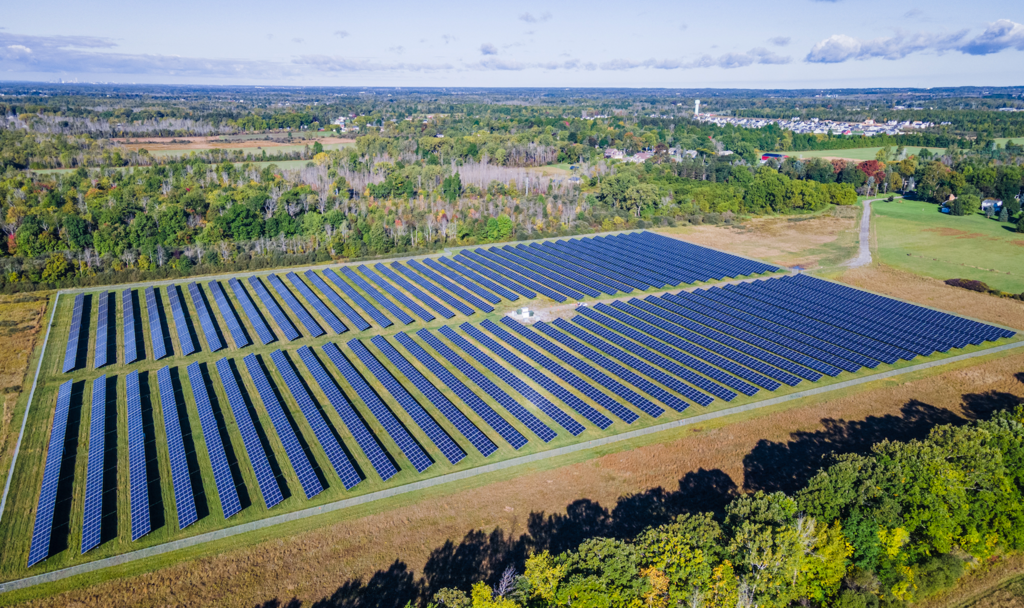
Participants receive credits on their regular electricity bills based on how much power their share of the solar farm generates. This directly lowers their monthly energy costs, all without any equipment on their own property.
Key Benefits
The advantages of community solar extend beyond just saving money. It makes solar energy accessible to a much wider range of people, breaking down traditional barriers to entry. If you have an electricity bill, you can likely participate in a community solar program.
Community solar provides access to clean energy, lowers electricity bills, and requires no personal installation or maintenance.
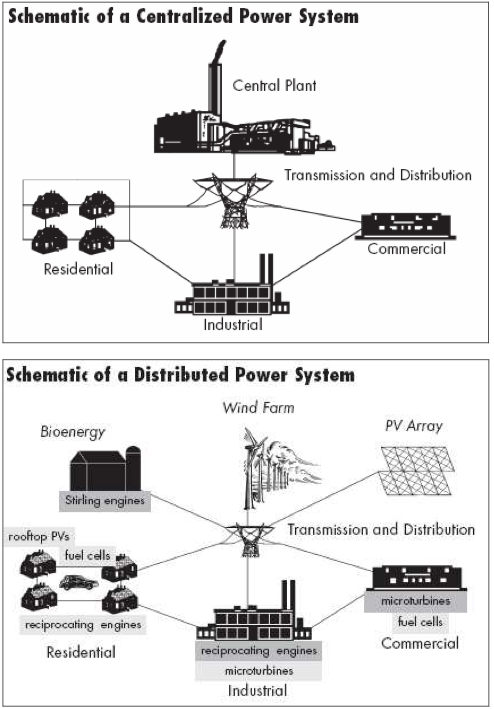
It also strengthens the local power grid by creating a distributed network of energy sources. Instead of relying solely on large, distant power plants, communities can generate some of their own power locally. This increases resilience and supports the growth of clean energy jobs.
A Growing Movement
The adoption of community solar is rapidly expanding across the United States. As of early 2024, dozens of states have enacted policies to encourage its development, recognizing its potential to accelerate the transition to renewable energy. These programs are making it easier for developers to build solar farms and for residents to sign up.
Successful community solar projects depend heavily on early, transparent, and inclusive engagement.
By bringing together utilities, private companies, and local residents, community solar is proving to be a powerful model. It empowers individuals to take part in the clean energy transition, regardless of their housing situation, making solar a possibility for nearly everyone.