Community Pharmacy Explained
Introduction to Community Pharmacy
Your Local Health Hub
When you think of a pharmacy, you probably picture a place to pick up a prescription. While that’s true, a community pharmacy is much more than that. It’s a healthcare facility right in your neighborhood, run by pharmacists who provide essential services to the public.
Think of it as one of the most accessible parts of the healthcare system. You don’t need an appointment to walk in and ask a question. This easy access makes community pharmacies a vital first stop for health concerns, information, and support.

More Than Just Prescriptions
The most visible function of a community pharmacy is dispensing medications. When a doctor writes you a prescription, the pharmacist ensures you get the right medicine at the correct dose. They check for potential problems, like a dangerous interaction with another drug you're taking, and make sure you understand how and when to take it.
A pharmacist's job isn't just counting pills. It's about ensuring your safety and helping you get the best results from your treatment.
Beyond prescriptions, pharmacists are a valuable source of health advice. Have a question about a nagging cough or how to manage seasonal allergies? Your local pharmacist can provide guidance on over-the-counter products and help you decide if you need to see a doctor. They are trained experts in medication and its effects on the body.
A Pillar of Public Health
Community pharmacies play a crucial role in the wider healthcare system. By providing convenient access to medical advice and services, they help reduce the burden on doctor's offices and emergency rooms. For many people, especially those in rural or underserved areas, the local pharmacy is their primary point of contact with a healthcare professional.
This accessibility helps improve public health. Pharmacists contribute to managing chronic diseases like diabetes and high blood pressure, promote wellness, and provide information that empowers people to take better care of themselves. They are an integral part of the team that works to keep communities healthy.
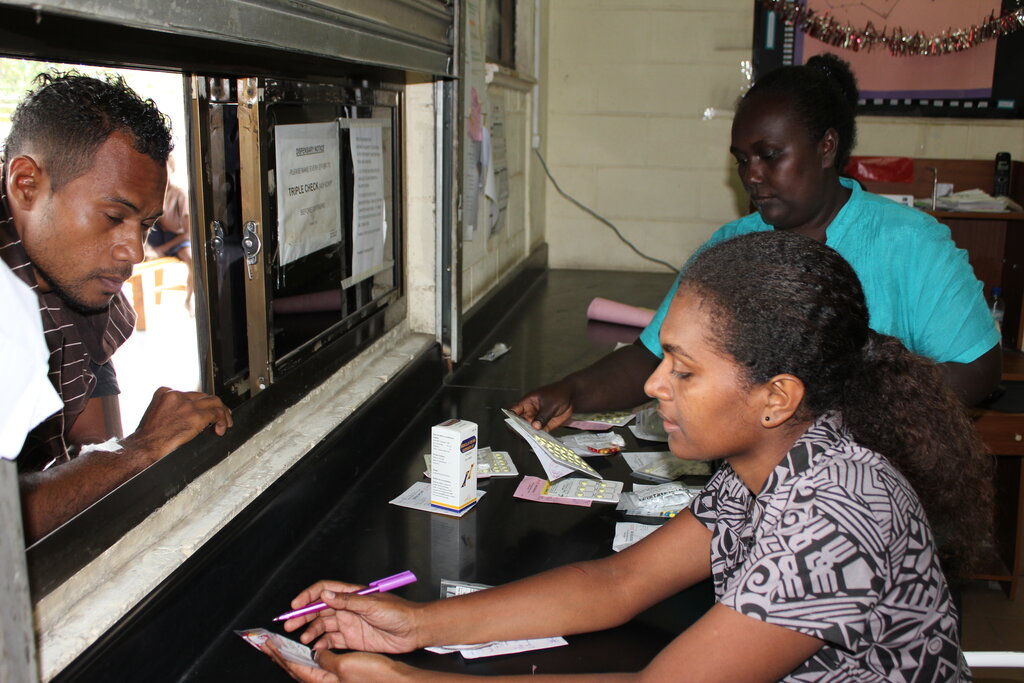
Ultimately, the community pharmacy serves as a bridge between the patient and the complex world of medicine, making healthcare more personal, understandable, and effective.