Community Health Management of Diphtheria
Epidemiological Determinants
A Shifting Target
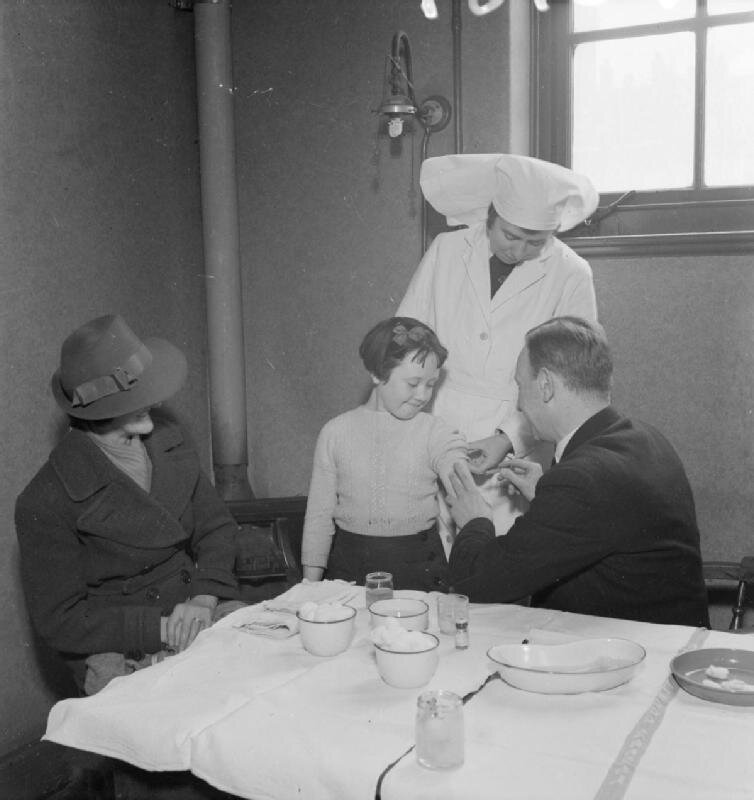
Successful infant vaccination programmes have fundamentally altered who gets diphtheria. Before the widespread use of vaccines, it was primarily a disease of childhood. Now, in areas with high immunisation coverage, the epidemiological landscape has shifted. The primary risk group is no longer young children but unvaccinated or undertreated adolescents and adults. Immunity, whether from a natural infection or a vaccine, isn't lifelong. Without booster doses, protective antibody levels decline over time, a process known as waning immunity This leaves adults who were vaccinated as children vulnerable once again.
This shift creates a complex public health challenge. While infant vaccination remains critical, it's no longer enough. Maintaining high immunity levels across the entire population requires a strategy that includes booster shots for adolescents and adults, especially in communities where the bacterium still circulates.
The Agent's Arsenal
The bacterium Corynebacterium diphtheriae is not a single entity. It exists as several different biotypes, primarily classified as gravis, mitis, intermedius, and belfanti. The key difference between them lies not just in their appearance when grown in a lab, but in their capacity to produce the powerful diphtheria toxin. Only strains infected by a specific virus, the corynephage β, carry the tox gene and can cause severe disease. Non-toxigenic strains can still colonise the throat but don't cause the classic symptoms.
The gravis and mitis biotypes are most commonly associated with epidemics. Understanding the prevalence of specific biotypes and their toxigenic potential within a community is crucial for outbreak investigation and control. It helps epidemiologists predict the severity of an outbreak and tailor public health responses accordingly.
| Biotype | Typical Colony Size | Haemolysis (Blood Agar) | Common Association |
|---|---|---|---|
| gravis | Large | Variable | Severe epidemics |
| mitis | Medium | Present (β-haemolysis) | Endemic disease |
| intermedius | Small | Absent | Rare, sporadic cases |
| belfanti | Variable | Absent | Usually non-toxigenic |
Environmental Breeding Grounds
Diphtheria thrives where people live in close quarters. Environmental factors like overcrowding, poor sanitation, and low socio-economic status create ideal conditions for transmission. These conditions directly influence the basic reproduction number (), which measures how many new cases a single infected individual will cause in a completely susceptible population.
In densely populated urban slums or refugee camps, the for diphtheria can be significantly higher than in spacious, affluent suburbs. Increased contact rates mean the bacterium spreads more efficiently. Furthermore, migration patterns can introduce the bacterium into susceptible populations or carry it from endemic areas to regions where it had been eliminated. These social and environmental determinants explain why outbreaks often cluster in marginalised communities, even within countries with high overall vaccination rates.
The Community Shield
To prevent sustained transmission, a certain percentage of a population must be immune. This concept, known as herd immunity, creates a protective barrier that shields vulnerable individuals. The exact threshold for herd immunity depends directly on the disease's .
The formula to calculate this threshold is quite simple: . If diphtheria has an of 6 in a particular community, the herd immunity threshold would be , or about 83%. This means at least 83% of the population needs to be immune to stop the spread.
Because population density and social conditions affect , the herd immunity threshold is not one-size-fits-all. A dense urban centre requires a much higher vaccination coverage rate to achieve herd immunity compared to a rural area. Public health officials must account for these local determinants when planning vaccination campaigns to ensure the community shield is strong enough to hold.
Following the introduction of successful infant vaccination programmes, who is now considered the primary risk group for diphtheria in areas with high immunisation coverage?
What is the key factor that determines whether a strain of Corynebacterium diphtheriae can produce the powerful diphtheria toxin and cause severe disease?