Community College Enrollment Marketing Strategies
Introduction to Community College Marketing
More Than Just a Campus
Marketing a community college isn't like selling a new smartphone or promoting a blockbuster movie. It’s about connecting with a diverse local population and showing them a path to a better future. Unlike four-year universities that often target a national or even international pool of recent high school graduates, community colleges serve a unique mix of people right in their own backyard.
These institutions face distinct challenges. Budgets can be tight, and the audience is incredibly broad. A community college might serve recent high school grads, single parents retraining for a new career, veterans seeking to use their GI Bill, and retirees wanting to learn a new skill. The marketing message must resonate with all of them. The core mission is not exclusivity, but access and opportunity for everyone.

Knowing Your Neighbors
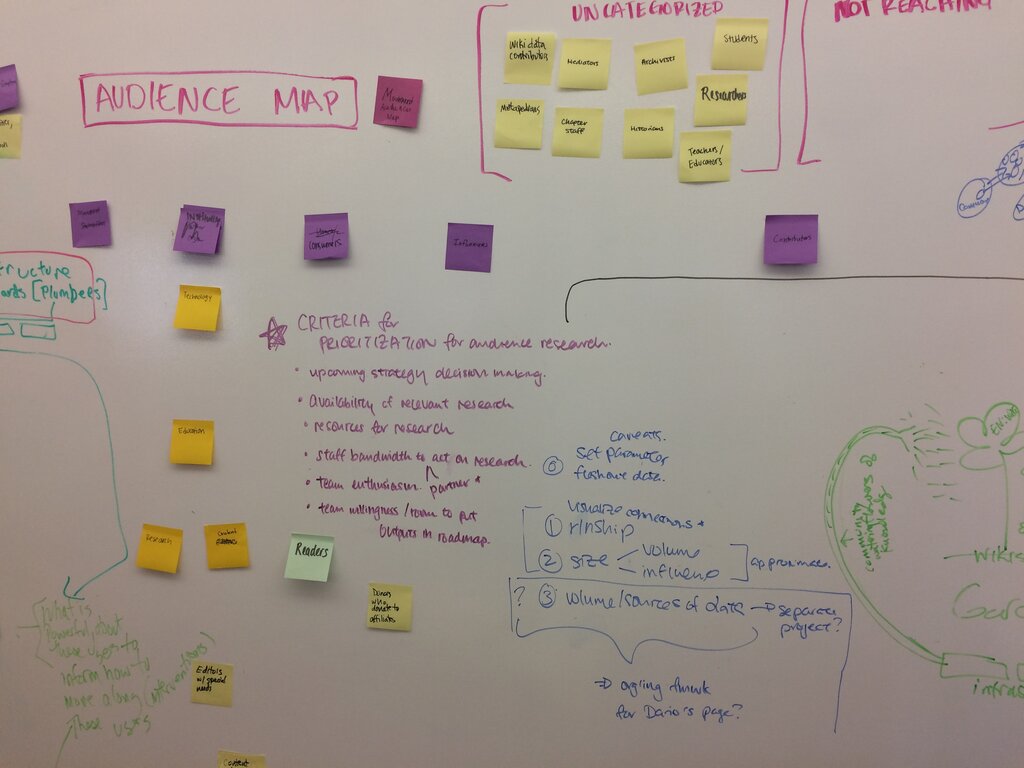
To market a community college effectively, you first have to understand who you're talking to. This goes beyond simple demographics like age and income. It's about understanding motivations, challenges, and goals. Who are the potential students in your service area?
Are they looking for a two-year degree to transfer to a university? Do they need a specific certificate to get a promotion at work? Are they exploring a new interest or trying to find their path?
Understanding this target audience is the foundation of any marketing effort. It informs the programs you promote, the language you use, and the channels you use to reach people. A message that speaks to a high school senior worried about university debt will be very different from one aimed at a mid-career professional needing to upskill.
The Local Landscape
Community colleges operate in a crowded and complex competitive landscape. They don't just compete with other colleges. They compete with for-profit trade schools, online course providers, military enlistment, and the immediate lure of the job market.
Analyzing this landscape means asking critical questions. What other educational options are available nearby? What are their strengths and weaknesses? What unique value does the community college offer that competitors don't? Often, the answer lies in affordability, smaller class sizes, dedicated faculty, and a direct connection to local employers. The key is to identify this unique position and build the marketing message around it.
On a related note, Bahr explains that the collective choices of students, given local and regional context, can shape the overall mission of community colleges.
From Goals to Action
Effective marketing doesn't happen by accident. It requires a strategic plan that is tightly aligned with the college's overall mission and goals. If a primary goal of the college is to strengthen the local workforce, then the marketing plan should focus on promoting career and technical education programs.
This planning process involves setting clear objectives. What does the college want to achieve with its marketing? Increase overall enrollment by 5%? Boost applications for the nursing program by 15%? Raise awareness of a new cybersecurity certificate?
Answering these questions leads to another crucial element: data. Making decisions based on assumptions is risky. Data-driven decision-making means using information about past enrollment trends, student demographics, and market research to guide the strategy. It helps the marketing team invest its limited resources wisely, focusing on efforts that are most likely to succeed.
Now, let's test your understanding of these core concepts.
When marketing a community college, which of the following best describes the primary target audience?
True or False: The main competitors for a community college are exclusively other two-year and four-year colleges.
This overview covers the foundational thinking behind marketing a community college. It’s a strategic effort that requires a deep understanding of the unique audience, the competitive environment, and the institution's core mission.