Communicating with Your Ustad
Understanding the Role of an Ustad
The Ustad
In the journey of Islamic learning, one figure stands out as a guide and mentor. This person is not just a source of information but a gateway to understanding, tradition, and spiritual growth.
Ustad
noun
A master, teacher, or expert in a particular field, especially in the context of Islamic knowledge, arts, or music. The term conveys deep respect and honor.
The word 'Ustad' comes from Persian and carries a weight of reverence. It signifies more than just a classroom teacher. An Ustad is a master of their craft, a spiritual guide, and a role model who embodies the knowledge they impart. This relationship is central to Islamic education.
A Tradition of Respect
Historically, the bond between a teacher and student in Islamic culture is profound. It's built on a foundation of respect, known as adab. Knowledge was traditionally passed down through a direct chain of transmission, from one Ustad to their student, creating a personal and sacred connection that stretches back generations.
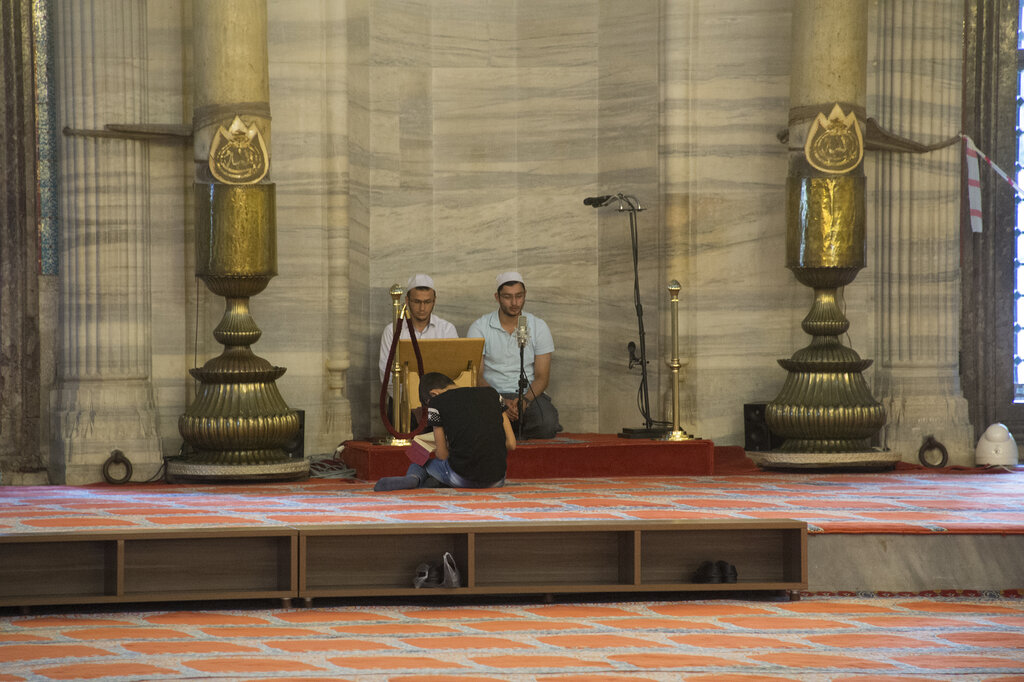
This wasn't like modern schooling where students might see many teachers. A student would often devote years to a single Ustad, learning not just the subject matter but also the teacher's character, discipline, and approach to life. The Ustad’s home or the mosque often served as the classroom, making learning an integral part of daily life.
Reverence for the teacher is considered reverence for the knowledge they carry.
More Than a Teacher
The responsibilities of an Ustad extend far beyond lectures and books. They are entrusted with the intellectual and spiritual development of their students. This holistic approach ensures that learning is not just about memorizing facts but about transforming one's character.
| Role | Responsibility |
|---|---|
| Guardian of Knowledge | To accurately transmit knowledge and ensure its preservation. |
| Spiritual Guide | To provide moral and ethical guidance based on Islamic principles. |
| Mentor | To nurture a student's potential and guide their personal development. |
| Role Model | To embody the virtues and discipline they teach. |
The Student's Part
The student, or talib, also has a crucial role to play in this relationship. The learning process is a two-way street, and certain attitudes are essential for a student to truly benefit from their teacher's wisdom.
A key obligation for the student is to approach learning with humility. The student must recognize the depth of the Ustad's knowledge and be open to receiving it, setting aside their own ego.
Other expectations include demonstrating patience, showing gratitude, and being genuinely eager to learn. A student is expected to serve their teacher, not in a demeaning way, but as a sign of respect for the knowledge being shared. This act of service cultivates humility and strengthens the bond, creating an environment where true learning can flourish.
Let's check your understanding of these core concepts.
What is the primary meaning of the word 'Ustad' in the context of Islamic education?
The traditional bond between a teacher and student in Islamic culture is built upon a foundation of respect known as what?
Understanding this foundational relationship prepares you to engage with teachers in a way that is both respectful and fruitful.