Communicating with AI
Introduction to AI Language Models
What Are Language Models?
At its core, an AI language model is a system designed to understand and generate human language. Think of it as a very advanced prediction engine. It learns the patterns, grammar, and nuances of language by analyzing massive amounts of text.
Language Model
noun
A type of artificial intelligence model that has been trained to process and generate human-like text.
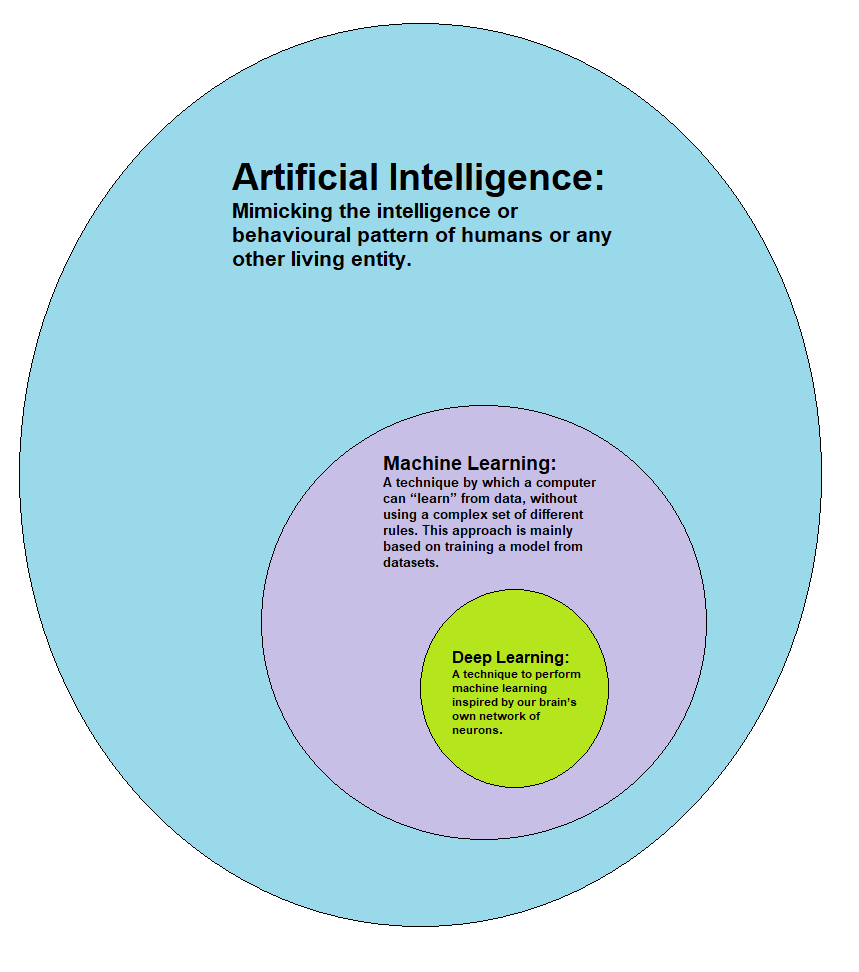
These models are built using complex architectures called neural networks, which are loosely inspired by the human brain. This structure allows them to recognize relationships between words and concepts, giving them a sophisticated grasp of language. They are a specific application within the broader fields of Machine Learning and Artificial Intelligence.
How Language Models Learn
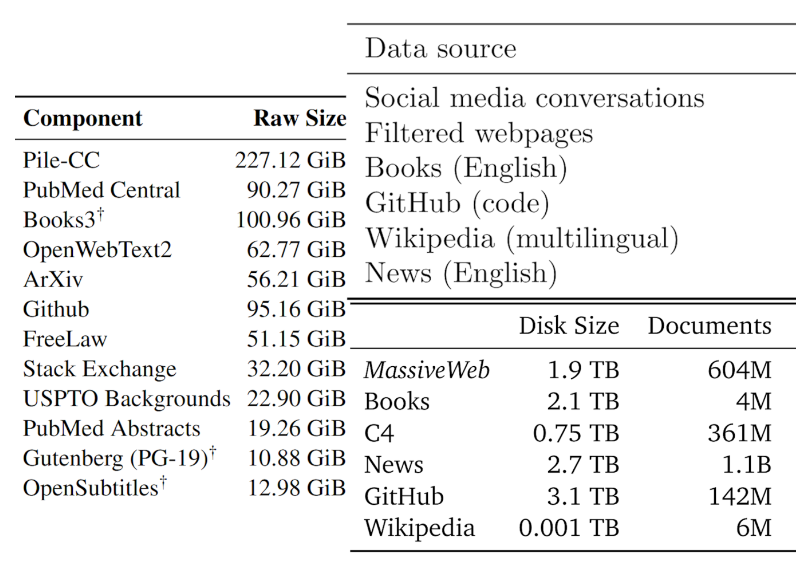
Language models aren't taught rules of grammar like a person is. Instead, they learn by being shown an enormous volume of text from books, articles, websites, and more. During this training process, the model's main task is simple: predict the next word in a sentence.
It makes a guess, compares its guess to the actual next word, and adjusts its internal connections to be more accurate next time. By repeating this process billions or even trillions of times, the model gradually learns grammar, facts about the world, reasoning abilities, and different styles of writing.
What Can They Do?
The ability to understand and generate text unlocks a huge range of applications. This field is known as Natural Language Processing (NLP). It's all about enabling computers to work with human language in a useful way. You've probably used many of these applications without even realizing it.
| Application | Description |
|---|---|
| Translation | Instantly translate text from one language to another. |
| Summarization | Condense long articles or documents into key points. |
| Question Answering | Provide direct answers to questions based on a given context. |
| Content Creation | Write emails, articles, poems, or even code snippets. |
Guiding the Conversation
Communicating with a language model isn't like using a search engine. The way you phrase your request directly influences the quality and relevance of the response. This is where the idea of a "prompt" comes in.
A prompt is simply the instruction you give to the model. The art and science of crafting effective instructions is called prompt engineering.
Understanding the specific capabilities and limitations of the AI language model you’re working with is vital for generating effective prompts.
You don't need to be an expert to get good results. The key is to be clear and specific. Vague prompts lead to generic answers, while detailed prompts guide the AI toward the exact output you want.
Instead of asking, "Tell me about cars," a more effective prompt would be, "Explain how a four-stroke gasoline engine works for someone who isn't a mechanic."
Learning to write good prompts is the fundamental skill for working with modern AI. It turns a simple chat into a powerful tool for creativity and problem-solving.