Communicating in Japanese with AI
Japanese Language Structure
Three Scripts in One
The Japanese writing system is unique because it combines three different scripts. Think of them as different tools used for specific jobs. Understanding how they work together is the first step to understanding the language.
Hiragana
noun
A phonetic script where each character represents a syllable. It’s used for native Japanese words, grammatical endings, and particles.
Hiragana is the first script Japanese children learn. Its characters are curvy and flowing. You'll see it used for verb and adjective endings, and for words that don't have a Kanji representation. It's the glue that holds sentences together.
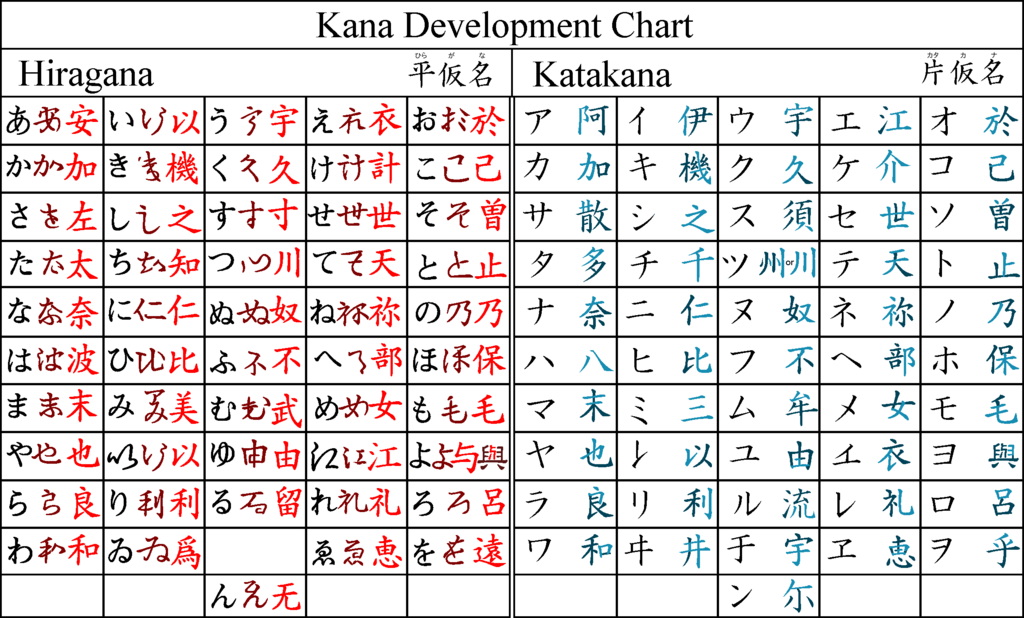
Next is Katakana. This is another phonetic script, and its characters correspond directly to the sounds of Hiragana. The difference is their appearance and usage. Katakana characters are sharp and angular, and they're primarily used for foreign loanwords, scientific names, and for emphasis, similar to how we use italics.
coffee
Finally, there's Kanji. These are logographic characters adopted from Chinese. Instead of representing sounds, Kanji represent ideas or entire words. A single Kanji can have multiple pronunciations depending on the context. While there are thousands of Kanji, learning the most common ones is essential for literacy.
For example, the Kanji for water is 水 (mizu), and the Kanji for tree is 木 (ki).
Building Sentences
Japanese sentence structure is very different from English. The most fundamental difference is the word order. English follows a Subject-Verb-Object (SVO) pattern. You might say, "I (Subject) eat (Verb) an apple (Object)."
Japanese uses a Subject-Object-Verb (SOV) order. The verb always comes at the end of the sentence. So, the same sentence in Japanese would be structured as "I (Subject) an apple (Object) eat (Verb)." This might feel backward at first, but it's a consistent rule.
English: The student reads a book. (SVO) Japanese: 学生が本を読みます。 (Gakusei ga hon o yomimasu.) Translation: Student (S) book (O) reads (V).
So how do you know which word is the subject and which is the object if their position can change? That’s where particles come in. Particles are short words that follow nouns, pronouns, or phrases to mark their grammatical function in a sentence. They are incredibly important for understanding the meaning and relationship between words.
| Particle | Pronunciation | Function |
|---|---|---|
| は | wa | Marks the topic of the sentence. |
| が | ga | Marks the subject of the sentence. |
| を | o | Marks the direct object of the verb. |
| に | ni | Indicates location, time, or direction (to). |
| で | de | Indicates location of an action (at) or means (by). |
Let's look at that sentence again: 学生が本を読みます (Gakusei ga hon o yomimasu). The particle が (ga) tells us that 学生 (gakusei, student) is the subject. The particle を (o) tells us that 本 (hon, book) is the direct object. The particles make the sentence clear, even with the different word order.
Which Japanese script is primarily used for grammatical elements, such as verb and adjective endings, and for words without a Kanji representation?
If you saw the word アメリカ (Amerika), which means 'America', you would know it's a foreign loanword because it's written in which script?