Common Spanish Sentences Mexican Accent
Spanish Alphabet and Pronunciation
The Spanish Alphabet
Getting started with Spanish pronunciation is simpler than you might think. Unlike English, Spanish is largely phonetic, meaning words are pronounced just as they are spelled. Once you learn the sound for each letter, you can confidently pronounce almost any word you see. The Spanish alphabet is nearly identical to the English one, with one special addition.
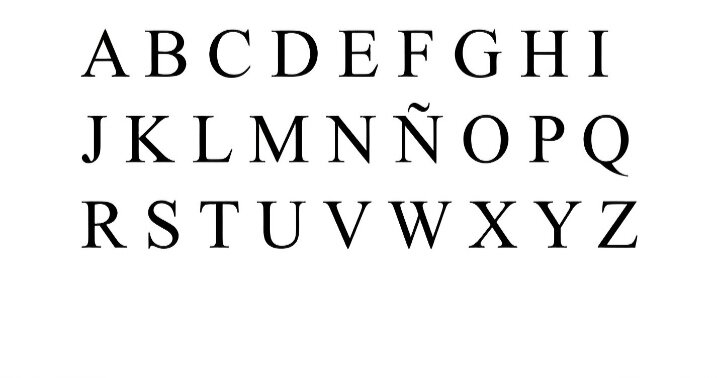
The best place to start is with the vowels. There are only five vowel sounds in Spanish, and they are always pronounced the same way. Master these, and you're halfway there.
- A sounds like the 'a' in "father."
- E sounds like the 'e' in "hey."
- I sounds like the 'ee' in "see."
- O sounds like the 'o' in "go."
- U sounds like the 'oo' in "moon."
Key Consonant Sounds
Most Spanish consonants sound similar to their English counterparts, but a few have unique pronunciations that are important to learn. Let's walk through the ones that most often trip up new speakers.
The letter 'h' is always silent in Spanish. No exceptions. Just pretend it isn't there.
For example, the word for "hello" is spelled with an 'h', but you don't pronounce it.
Hello
The Spanish 'j' makes a sound similar to the English 'h'. It's a breathy sound that comes from the back of your throat. Think of the 'h' in "house."
Soap
The letter 'ñ' is a signature of the Spanish language. It's pronounced like the 'ny' sound in "canyon." This letter is completely separate from 'n'.
Boy
Finally, we have the famous rolling 'r'. This sound can take some practice. There are actually two 'r' sounds in Spanish.
- The soft 'r': This happens when a single 'r' appears in the middle of a word. It sounds like the 'dd' in the American English pronunciation of "ladder." It's a quick tap of the tongue against the roof of your mouth.
- The rolled 'rr': This is the trilled sound. It's used for 'rr' in the middle of a word or for a single 'r' at the beginning of a word.
Listen to the difference between "but" and "dog."
| Spanish | Pronunciation | Meaning |
|---|---|---|
| pero | PEH-doh | but |
| perro | PER-rro | dog |
A few other quick points for Mexican Spanish pronunciation:
- The letters 'c' (before 'e' or 'i') and 'z' both sound like the English 's'.
- The letter 'g' before 'e' or 'i' makes the same throaty sound as the Spanish 'j'.
- The double letters 'll' sound just like the letter 'y', as in "yes."
Getting these sounds right is your first big step toward sounding natural.