Commodity Trading Essentials
Introduction to Commodity Markets
What Are Commodities?
A commodity is a basic good or raw material used to produce other goods and services. Think of the essentials that power our world and fill our homes: the oil that becomes gasoline, the wheat that becomes bread, and the copper that becomes wiring.
What makes something a commodity is a concept called fungibility. This means that one unit of the good is essentially identical to another unit of the same good, regardless of who produced it. A barrel of Brent crude oil from one producer is the same as a barrel from another. This uniformity is what allows commodities to be traded on large, centralized exchanges.
Imagine two identical bags of sugar on a grocery store shelf from different brands. For most baking purposes, they are interchangeable. That's fungibility in a nutshell.
Commodities are typically grouped into a few major categories. Understanding these buckets helps make sense of the market's vast landscape.
| Category | Description | Examples |
|---|---|---|
| Energy | Fuels used for power and transportation. | Crude oil, natural gas, gasoline, heating oil. |
| Metals | Mined materials used in construction and manufacturing. | Gold, silver, copper, aluminum, platinum. |
| Agriculture | Crops and textiles grown on farms. | Corn, soybeans, wheat, coffee, sugar, cotton. |
| Livestock & Meat | Animals raised for food. | Live cattle, lean hogs, feeder cattle. |
The Marketplace
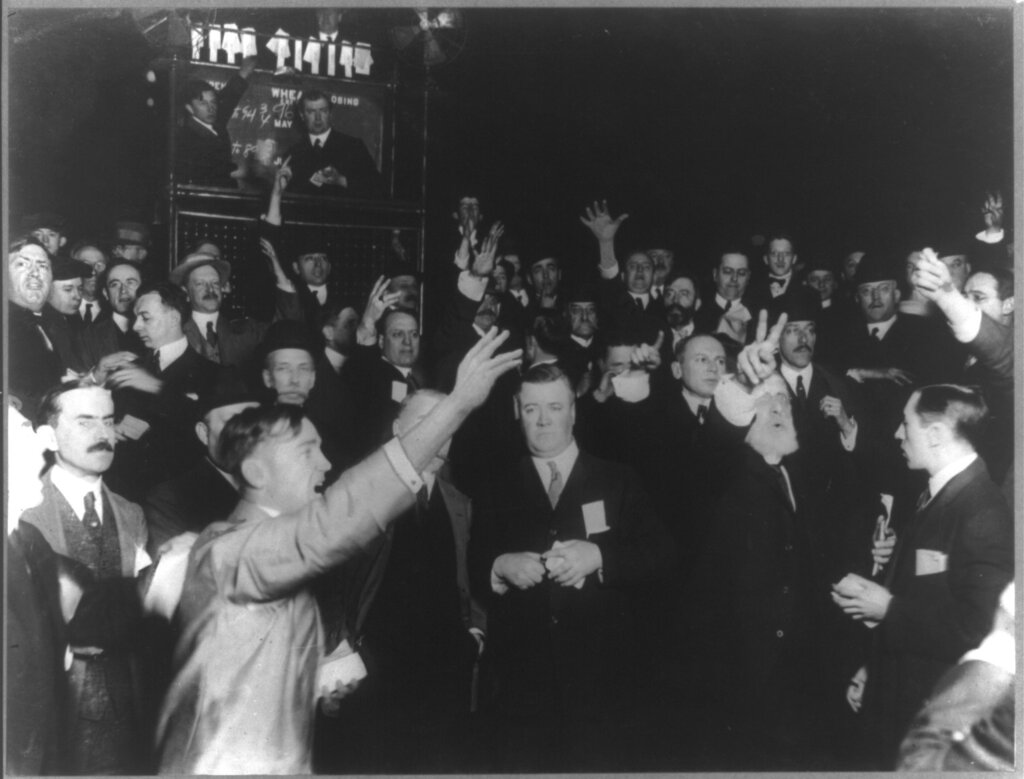
A commodity market is any place where commodities are bought and sold. Historically, these were bustling physical locations where traders shouted orders in a trading pit. Today, most trading happens electronically on exchanges like the Chicago Mercantile Exchange (CME) or the New York Mercantile Exchange (NYMEX).
These markets serve two critical functions. First, they facilitate the buying and selling of raw materials on a global scale. A coffee roaster in Italy can easily buy beans from a farmer in Brazil. Second, they perform price discovery. The constant interaction of buyers and sellers establishes a fair market price for each commodity, which is visible to everyone.
Price Movers
Like any market, commodity prices are driven by supply and demand. When supply is high and demand is low, prices tend to fall. When supply is tight and demand is strong, prices rise.
Supply is the amount of a commodity available. It can be affected by many factors:
- Weather: A drought can devastate a corn crop, reducing supply and raising prices.
- Geopolitics: A conflict in a major oil-producing region can disrupt shipments, causing oil prices to spike.
- Technology: New mining techniques can make it cheaper to extract copper, increasing its supply.
Demand is the amount of a commodity that buyers want. It's influenced by:
- Economic Growth: A booming global economy means more construction, driving up demand for industrial metals.
- Consumer Trends: A shift towards plant-based diets could increase demand for soybeans and oats.
- Population Growth: More people on the planet means a greater fundamental demand for food and energy.
Key Market Participants
Commodity markets are made up of several distinct groups, each with different motivations.
Producers are the ones who grow, extract, or create the raw materials. This includes farmers, mining companies, and oil firms. Their primary goal is to sell their commodity for a profit and lock in prices to make their business predictable.
Consumers (or end-users) are the businesses that buy raw materials to turn them into finished products. A cereal company buys wheat, a jeweler buys gold, and an airline buys jet fuel. They want to secure the materials they need at the lowest possible cost.
Traders and Speculators buy and sell commodities with the aim of profiting from price changes. Unlike producers and consumers, they have no intention of taking physical delivery of the oil or corn. They provide crucial liquidity to the market, which means it’s easier for producers and consumers to find a buyer or seller at any time.
Investors may buy into commodities as a way to diversify their portfolios. They might not trade actively but hold commodity-based assets like Exchange-Traded Funds (ETFs) as a long-term investment, betting on rising prices or using commodities as a hedge against inflation.
Now that you understand the basic building blocks, let's test your knowledge.
What is the key characteristic that makes a raw material a 'commodity'?
A cereal company that buys large quantities of wheat to make its products would be classified as which type of market participant?
Understanding these fundamentals—what commodities are, where they're traded, what moves their prices, and who participates—is the first step to making sense of this vital part of the global economy.