Commodities Trading Fundamentals
Introduction to Commodities
What Are Commodities?
At its core, a commodity is a basic good used in commerce that is interchangeable with other goods of the same type. Think of it as a raw material. One barrel of crude oil is essentially the same as any other, and a bushel of wheat from one farm is treated the same as a bushel from another, as long as they meet a certain minimum quality standard. This interchangeability is a key trait called fungibility.
Fungibility means that individual units of a good are essentially identical, making them easy to trade on a large scale without needing to inspect each specific item.
These raw materials are the fundamental building blocks of the global economy. They are the inputs for everything from the food we eat and the clothes we wear to the energy that powers our homes and the metals used to build our cities.
Commodity
noun
A raw material or primary agricultural product that can be bought and sold, such as copper or coffee.
The Main Types
Commodities are generally grouped into a few major categories. While the lines can sometimes blur, most fall into energy, metals, or agricultural products.
| Category | Sub-Category | Examples |
|---|---|---|
| Energy | - | Crude Oil, Natural Gas, Coal |
| Metals | Precious | Gold, Silver, Platinum |
| Industrial | Copper, Aluminum, Zinc | |
| Agriculture | Softs (Grown) | Wheat, Corn, Soybeans, Coffee, Cotton |
| Livestock | Live Cattle, Lean Hogs |
Energy commodities like oil and natural gas fuel transportation and generate electricity. Metals are crucial for construction and manufacturing; precious metals like gold are also seen as a way to store wealth. Agricultural commodities, or 'softs', are the backbone of the global food supply and textile industries.
Why Commodities Matter
Commodities are the starting point for almost every product you use. That smartphone in your pocket? It contains dozens of metals, from gold in its circuitry to aluminum in its casing. The electricity powering it might come from natural gas. The t-shirt you're wearing is made from cotton, and the coffee you drank this morning began as a bean grown thousands of miles away.
Because they are so fundamental, commodities play a massive role in global trade. Countries rich in natural resources export them, while other countries import them to fuel their industries. The prices of these goods can have a huge impact on national economies, influencing everything from the cost of gasoline to the price of a loaf of bread.
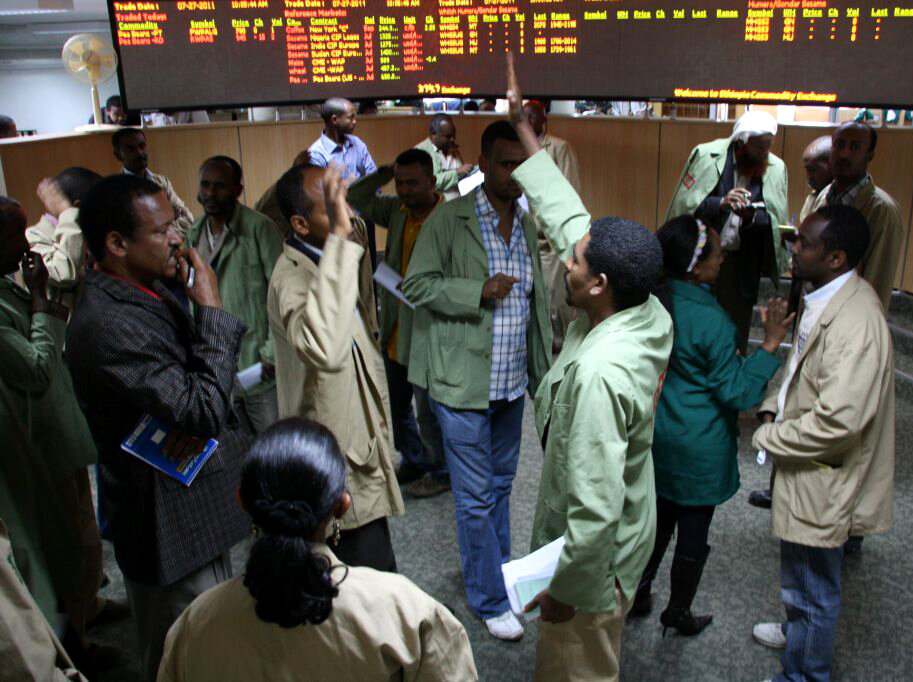
Beyond their physical use, commodities are also important financial assets. Investors and businesses use commodity markets to manage risk or to speculate on future price movements. A farmer might sell a contract for their future wheat harvest to lock in a price, while an airline might buy contracts for jet fuel to protect against rising oil costs.
A Quick History
Commodity trading is one of the oldest forms of commerce. For thousands of years, civilizations traded agricultural goods like grain and livestock. The Silk Road, which connected Asia with Europe, was a famous network for trading spices, silk, and other commodities.
However, modern commodity markets began to take shape in the 19th century. To bring order to the chaotic trade of agricultural goods, exchanges were established. The Chicago Board of Trade, founded in 1848, was one of the first. It created standardized contracts that specified the quantity and quality of a commodity for future delivery. This innovation, known as a futures contract, made trading more efficient and less risky.
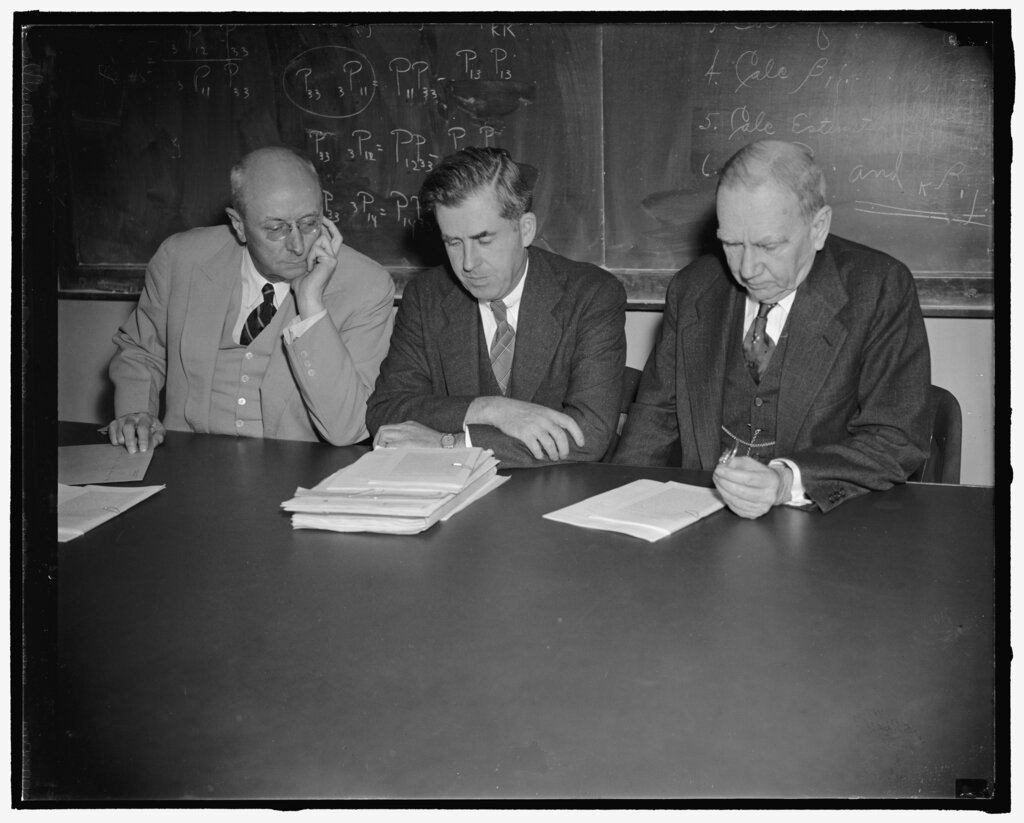
Over time, these markets expanded from agriculture to include metals, energy, and other products. Trading evolved from shouting across a crowded trading floor to the nearly instantaneous electronic transactions that dominate the markets today.
Ready to check your understanding? Let's review the main ideas.
The defining characteristic of a commodity, which allows goods of the same type to be interchangeable, is known as:
Commodities are generally grouped into several major categories. Which of the following is typically NOT considered a primary commodity category?
From raw materials to finished goods, commodities are the essential first link in the global economic chain.