Commodities Trading Fundamentals
Introduction to Commodities
The Building Blocks of Global Trade
From the coffee in your cup to the gasoline in your car, commodities are the raw materials that fuel our world. At its core, a commodity is a basic good used in commerce that is interchangeable with other goods of the same type. This interchangeability is a key trait called fungibility.
Fungibility means that it doesn't matter who produced the good, as long as it meets a certain standard. A barrel of Brent crude oil from one producer is the same as a barrel from another. One bushel of grade 2 yellow corn is, for all practical purposes, identical to any other.
Commodity
noun
A raw material or primary agricultural product that can be bought and sold, such as copper or coffee.
Classifying Commodities
Commodities are generally grouped into three main categories: agricultural, energy, and metals. Each plays a distinct but vital role in the economy.
| Category | Sub-Category | Examples |
|---|---|---|
| Agricultural | Soft Commodities (Grown) | Wheat, Corn, Soybeans, Coffee, Sugar, Cotton |
| Livestock (Raised) | Live Cattle, Lean Hogs | |
| Energy | Fossil Fuels | Crude Oil, Natural Gas, Gasoline, Heating Oil |
| Metals | Precious Metals | Gold, Silver, Platinum, Palladium |
| Industrial Metals | Copper, Aluminum, Zinc, Nickel |
Agricultural commodities are the foundation of our food supply and textiles. Energy commodities power our homes, industries, and transportation. Metals are essential for everything from construction and manufacturing to electronics and jewelry.
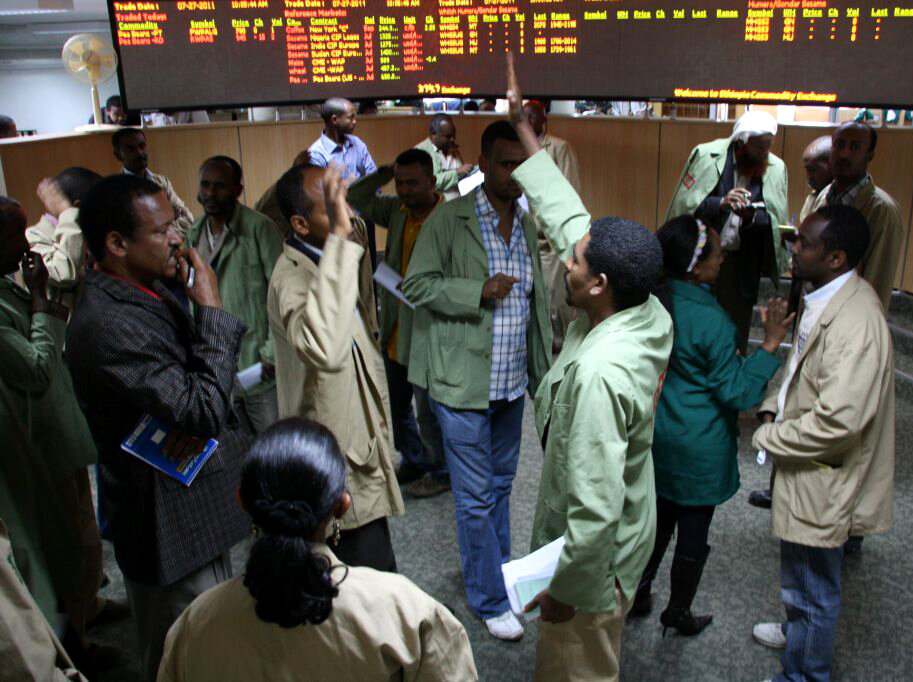
From Barter to Exchanges
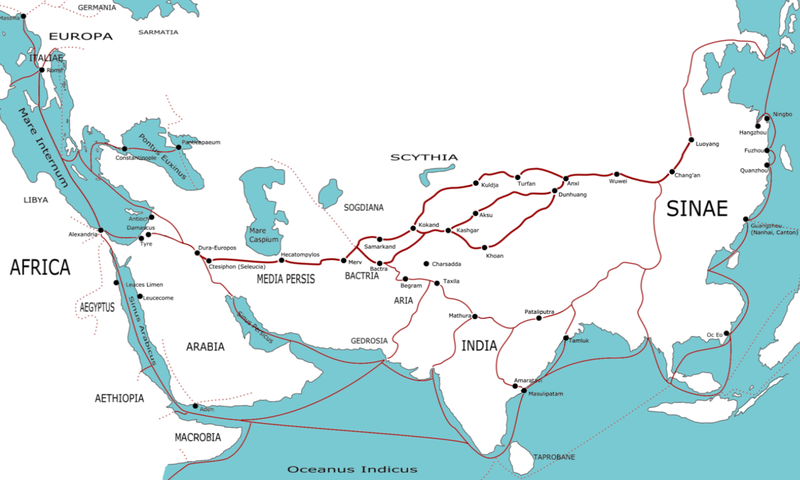
Commodity trading is one of the oldest forms of commerce. Thousands of years ago, civilizations relied on bartering systems to exchange goods like salt, spices, and grains. As trade networks expanded across continents, the need for more organized markets grew.
This led to the creation of formal commodity exchanges, such as the Chicago Board of Trade in 1848. These exchanges standardized the quality, quantity, and delivery terms for commodities, creating a more efficient and transparent marketplace. Instead of trading physical barrels of oil or bushels of wheat, traders could now buy and sell standardized contracts representing those goods.
The Economic Engine
Commodities are more than just raw materials; they are a crucial indicator of economic health. Their prices are sensitive to shifts in supply and demand, geopolitical events, and weather patterns. A drought in Brazil can send coffee prices soaring, while a new oil discovery can push gasoline prices down.
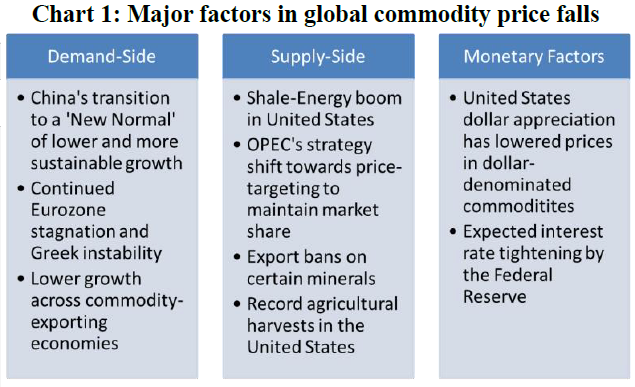
Because they are the inputs for so many finished products, commodity price fluctuations have a ripple effect across the entire economy. Rising oil prices increase transportation costs, which can lead to higher prices for almost every product on store shelves. In this way, commodities connect global markets to your daily life.
Understanding commodities helps us understand how the global economy works, from the farm to the factory to the consumer.
Let's check your understanding of these fundamental concepts.
What key characteristic defines a basic good as a commodity?
Commodities are generally grouped into three main categories. Which of the following is NOT one of them?
Now that you have a solid foundation, you're ready to explore how these essential goods are traded on modern markets.