Commodities Trading Essentials
Introduction to Commodities
What Are Commodities?
A commodity is a basic good used in commerce that is interchangeable with other goods of the same type. Think of it as a raw material. One barrel of oil is essentially the same as any other barrel of oil. A bushel of wheat from one farm is the same as a bushel from another, assuming they are the same grade.
This interchangeability is a key trait of commodities, and it has a specific name: fungibility. Because they are fungible, commodities can be bought and sold on large exchanges without the need to physically inspect each item. The market treats them as uniform.
Fungible
adjective
Able to be replaced by another identical item; mutually interchangeable.
Hard vs. Soft Commodities
Commodities are generally split into two broad categories: hard and soft.
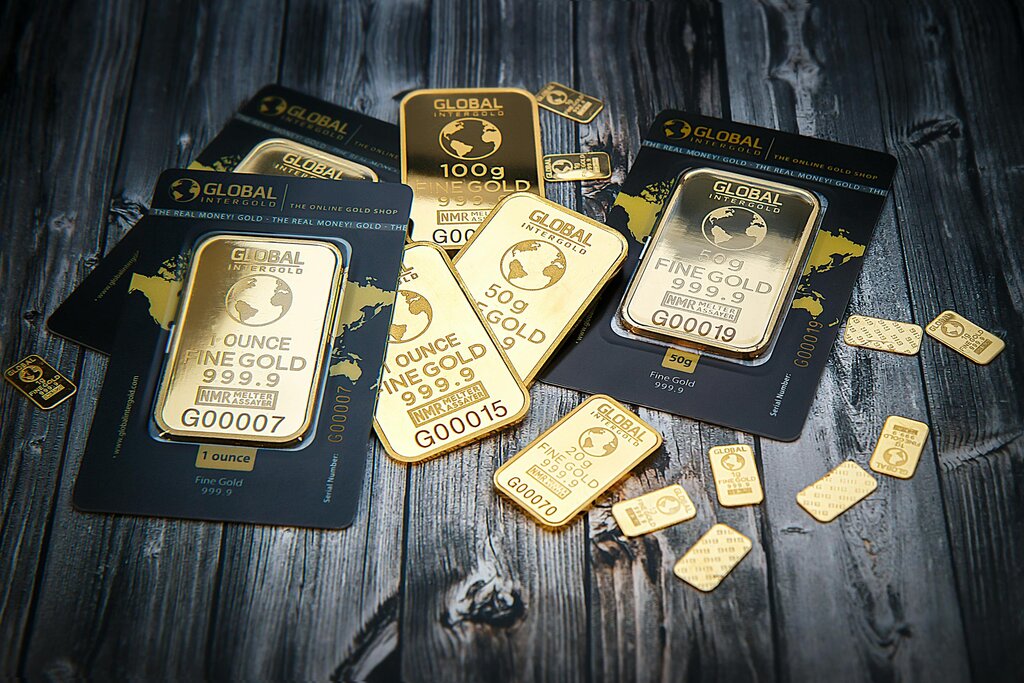
Hard commodities are natural resources that must be mined or extracted from the earth. They are typically related to energy and metals.
Think of things like gold, silver, crude oil, and natural gas. These items are foundational to many industrial processes. Gold is used in electronics and jewelry, while crude oil is refined into gasoline and plastics.
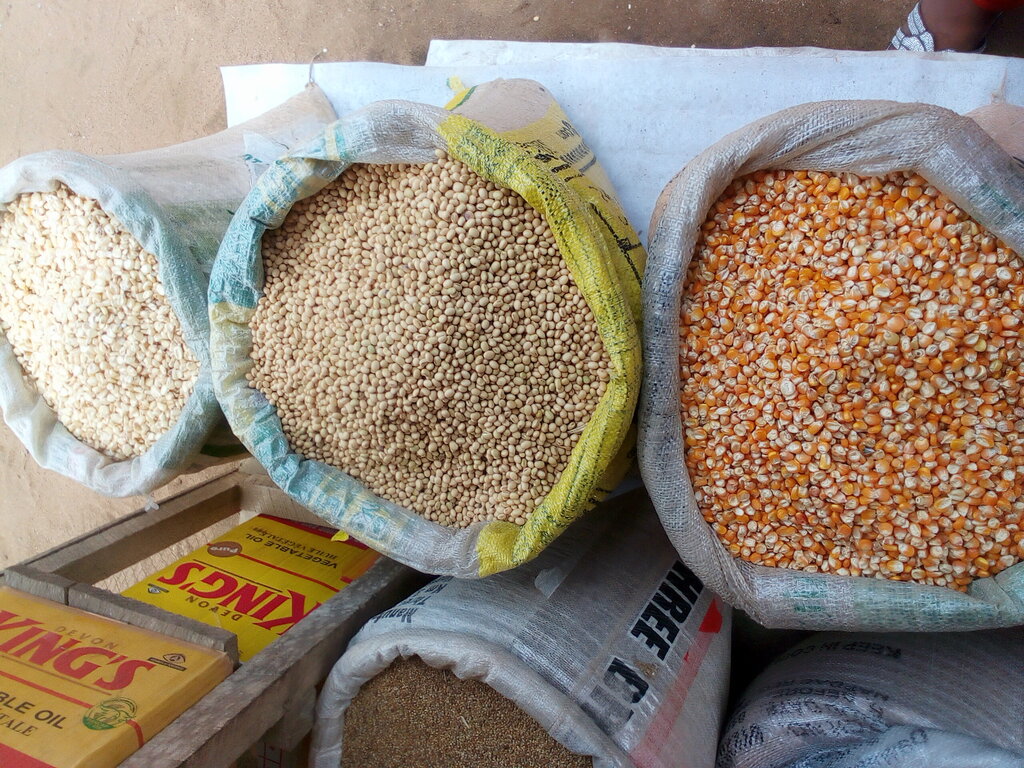
Soft commodities are agricultural products or livestock. They are grown rather than mined.
This category includes everything from grains like wheat and corn, to cash crops like coffee and cotton, to livestock such as cattle and hogs. These are the raw materials for the food we eat and the clothes we wear.
| Category | Definition | Examples |
|---|---|---|
| Hard | Natural resources that are mined or extracted. | Gold, Crude Oil, Copper, Natural Gas |
| Soft | Agricultural products or livestock that are grown. | Wheat, Coffee, Cotton, Cattle |
Why Commodities Matter
Commodities are the building blocks of the global economy. Nearly every product you use started as one or more commodities. Your phone contains metals like copper and gold. The electricity powering it may have been generated from natural gas. The shirt you're wearing is likely made from cotton.
Because they are so fundamental, the prices of commodities can have a ripple effect across the entire economy. A drought in Brazil could raise coffee prices at your local cafe. Political instability in the Middle East could increase the price you pay for gasoline. These raw materials connect global events to our daily lives.

Understanding commodities is the first step to understanding the physical economy that underpins the production of all goods and services. They are the essential inputs that keep the world running.