Commercial Real Estate Lending A Banker's View
Commercial Real Estate Lending Overview
The World of Commercial Loans
When you buy a house, you get a residential mortgage. But what about financing for properties where business happens—like office buildings, shopping centers, or apartment complexes? That’s where commercial real estate (CRE) lending comes in. It’s a specialized area of finance that fuels the development and purchase of these properties.
A commercial real estate loan is a mortgage secured by a lien on commercial property as opposed to residential property.
Unlike a home loan, which is based on your personal income, a CRE loan is typically backed by the property itself. The lender's main concern is whether the property can generate enough income to cover the loan payments. This fundamental difference shapes every aspect of the lending process.
From Dirt to Doors
CRE loans aren't one-size-fits-all. They're tailored to the specific stage of a property's life cycle, from an empty plot of land to a bustling, fully leased building. The most common types are often grouped together under the umbrella of Acquisition, Development, and Construction (ADC) financing.
ADC loans are considered the riskiest for a bank. They are short-term loans used to turn an idea into a physical asset. The developer isn't collecting rent yet, so the lender is betting on their ability to complete the project on time and on budget.
Once the building is constructed and starts to fill up with tenants, the developer will typically refinance the short-term construction loan with a long-term permanent loan, also known as a "take-out loan." This is more like a traditional mortgage, with payments made from the rental income the property generates. Sometimes, a mini-perm loan acts as a bridge between the construction and permanent phases, giving the developer a few years to stabilize the property's occupancy and income before locking in long-term financing.
The Lenders and the Rules
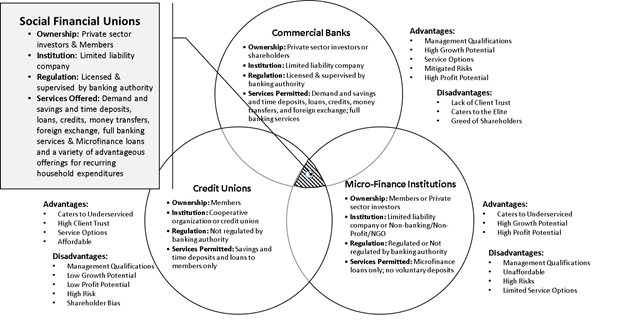
Various financial institutions participate in CRE lending, each playing a slightly different role. Commercial banks are the heavy hitters, providing everything from construction loans to permanent financing. Life insurance companies are also major players, but they tend to focus on less risky, long-term loans for high-quality, stable properties.
Other sources include Credit Unions, which often serve smaller local projects, and specialized lenders that might focus on a particular property type, like hotels or healthcare facilities. Some large projects may even involve a syndicate of multiple banks that pool their resources to fund the loan, spreading the risk.
This market doesn't operate in a vacuum. A robust regulatory framework exists to ensure the stability of the financial system. Because CRE loans can be large and risky, regulators like the Federal Reserve, the Office of the Comptroller of the Currency (OCC), and the Federal Deposit Insurance Corporation (FDIC) set specific guidelines for banks.
These regulations dictate how much capital a bank must hold against its CRE loans, establish standards for loan underwriting, and require banks to monitor their loan portfolios for concentrations of risk. For example, a bank that lends too heavily in one geographic area or on one property type might face scrutiny. This oversight aims to prevent the kind of over-lending that can lead to financial instability, ensuring that the CRE market grows on a solid foundation.
Now, let's test your understanding of these foundational concepts.
What is the primary factor a lender considers when underwriting a commercial real estate (CRE) loan?
A developer needs a short-term loan to build a new office building from the ground up. Which type of financing would be most appropriate for this stage?
Understanding these core components—the types of loans, the institutions that provide them, and the rules they follow—is the first step in grasping the complex and dynamic world of commercial real estate finance.