Commercial Real Estate Finance and Accounting Mastery
Industry Overview
The Commercial Real Estate Landscape
Commercial real estate (CRE) is more than just physical space for businesses. It's a major investment asset class, driven by a unique set of financial dynamics. Unlike residential real estate, CRE focuses on properties that generate income, whether through leases, services, or business operations. Understanding the distinct property types is the first step in grasping the industry's financial mechanics.
The four core CRE property types each have their own economic drivers, tenant profiles, and risk factors. These differences directly influence their revenue streams, expense structures, and ultimately, their value as an investment.
| Property Type | Description | Typical Tenants |
|---|---|---|
| Office | Spaces for professional and administrative work, ranging from downtown high-rises to suburban office parks. | Corporations, law firms, tech startups, medical practices |
| Retail | Properties designed to sell consumer goods and services, including shopping malls, strip centers, and standalone storefronts. | National chains, local boutiques, restaurants, banks |
| Industrial | Facilities used for storage, distribution, and manufacturing. The backbone of e-commerce and supply chains. | Logistics companies (like Amazon), manufacturers, wholesalers |
| Multifamily | Residential properties with five or more units, such as apartment buildings and student housing complexes. | Individual renters, families, students |
Beyond these four, the CRE world includes specialized categories like hotels, self-storage facilities, data centers, and even raw land. Each sub-market operates with its own specific financial models and market conditions.
Who's Who in CRE
A commercial property's lifecycle, from a patch of dirt to a bustling asset, involves a cast of specialized players. Each stakeholder has a distinct role and financial interest in the property's success. Their interactions create a complex ecosystem where risk and reward are constantly being negotiated.
Developers are the visionaries. They initiate projects, acquiring land, securing permits, and overseeing construction. Their goal is to create value by transforming an idea into a physical asset, which they might sell for a profit or hold as a long-term investment.
Investors provide the capital. They can be individuals, private equity firms, or large institutions like pension funds and Real Estate Investment Trusts (REITs). They purchase properties with the expectation of generating returns through rental income and appreciation.
Property Managers are the day-to-day operators. Hired by investors, they handle everything from marketing vacant space and collecting rent to managing maintenance and tenant relations. Their efficiency is key to maximizing a property's profitability.
Tenants are the end-users who occupy the space and pay rent, forming the primary source of revenue for the property. The creditworthiness and stability of tenants are critical factors in the financial health of any CRE asset.
The Flow of Money
In CRE, financial performance hinges on a clear understanding of what comes in and what goes out. The unique nature of property operations leads to specialized revenue and expense categories that differ significantly from those in other industries.
The primary revenue stream is, of course, rental income. This is the base rent paid by tenants as outlined in their lease agreements. However, it's often supplemented by other income sources:
- Expense Reimbursements: Many commercial leases are structured as net leases, where tenants pay for a portion of the property's operating expenses, such as property taxes, insurance, and common area maintenance (CAM). This income is booked separately from base rent.
- Ancillary Income: This includes revenue from services like parking fees, vending machines, or laundry facilities in multifamily properties. While smaller, these streams can significantly boost a property's bottom line.
The structure of a lease—particularly how expenses are passed through to tenants—is one of the most important factors in a property's financial model.
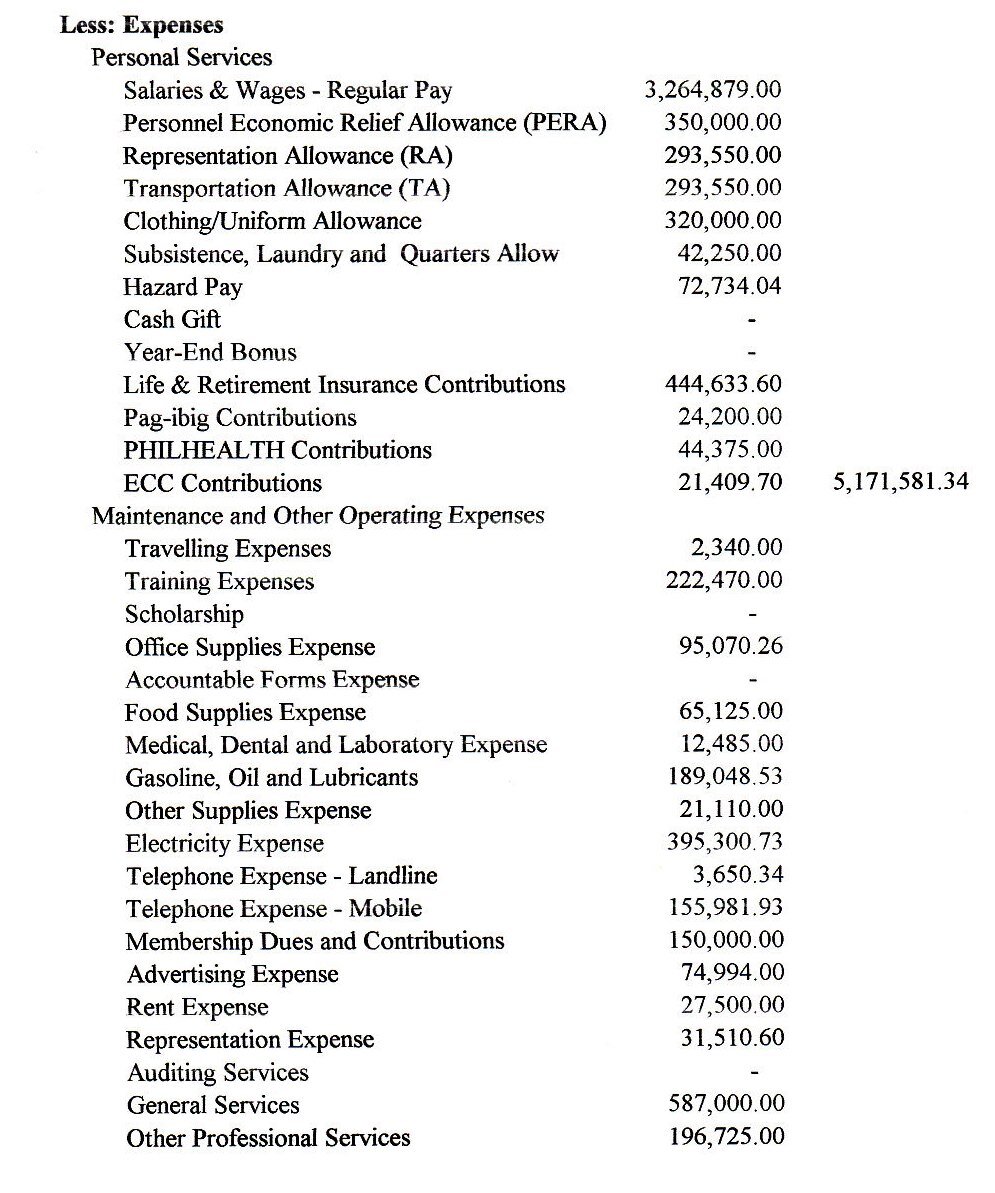
On the other side of the ledger are the expenses, which are broadly grouped into two main types.
Operating Expenses (OpEx)
noun
The recurring costs associated with the day-to-day running of a property. These are the expenses necessary to maintain the property and keep it functional for tenants.
OpEx includes items like property taxes, insurance, utilities, janitorial services, landscaping, and routine repairs. These costs are predictable and are forecasted annually in the property's budget.
Capital Expenditures (CapEx)
noun
Significant, non-recurring investments made to upgrade a property or replace major systems. CapEx is intended to increase a property's value or extend its useful life.
Examples of CapEx include replacing a roof, repaving a parking lot, or renovating a building's lobby. Unlike OpEx, these are large, infrequent costs. Because they aren't part of daily operations, they are budgeted for separately, often through a reserve fund built up over time. Distinguishing between a routine repair (OpEx) and a replacement (CapEx) is a crucial accounting practice in CRE.
What is the primary financial focus of commercial real estate (CRE) as an asset class?
In the commercial real estate ecosystem, who is primarily responsible for the day-to-day operations of a property, including collecting rent and managing maintenance?
This overview provides the framework for all the financial analysis that follows. By understanding the properties, the players, and the financial flows, you can begin to analyze CRE assets effectively.