Commercial Queen Rearing
Introduction to Queen Rearing
The Heart of the Hive
Every honey bee colony has one queen. She's the single most important individual, but not in the way you might think. She doesn't rule or give orders. Her primary job is to lay eggs, up to 2,000 per day during peak season. This constant supply of new bees is what keeps the colony thriving.
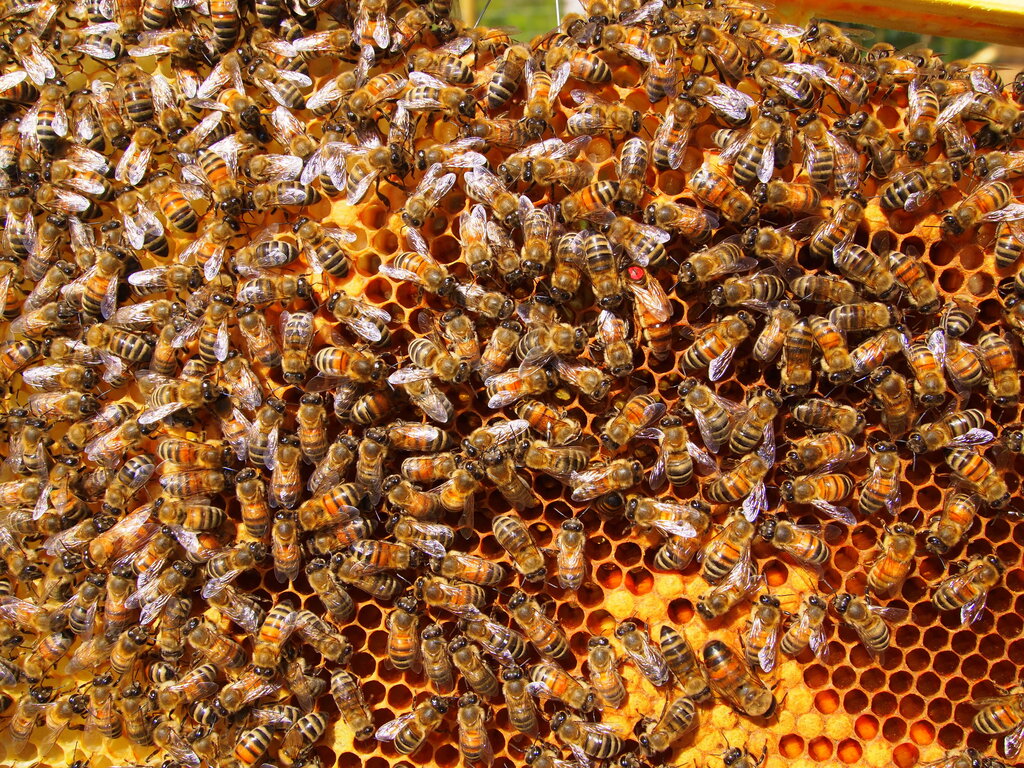
Beyond egg-laying, the queen produces special scents called pheromones. These chemical signals spread throughout the hive, letting every bee know that their queen is present and healthy. This shared scent creates a sense of unity and purpose, holding the colony together as a single, cohesive superorganism. Without her, a colony quickly becomes disorganized and will ultimately fail.
From Egg to Royalty
A queen bee starts life just like any other female bee: as a fertilized egg. What sets her apart is her diet. For the first few days, all female larvae are fed a protein-rich substance called royal jelly. But while future worker bees are switched to a diet of honey and pollen, a larva destined for royalty is fed royal jelly exclusively and in large amounts throughout her development. This special diet triggers the changes that make her a queen.
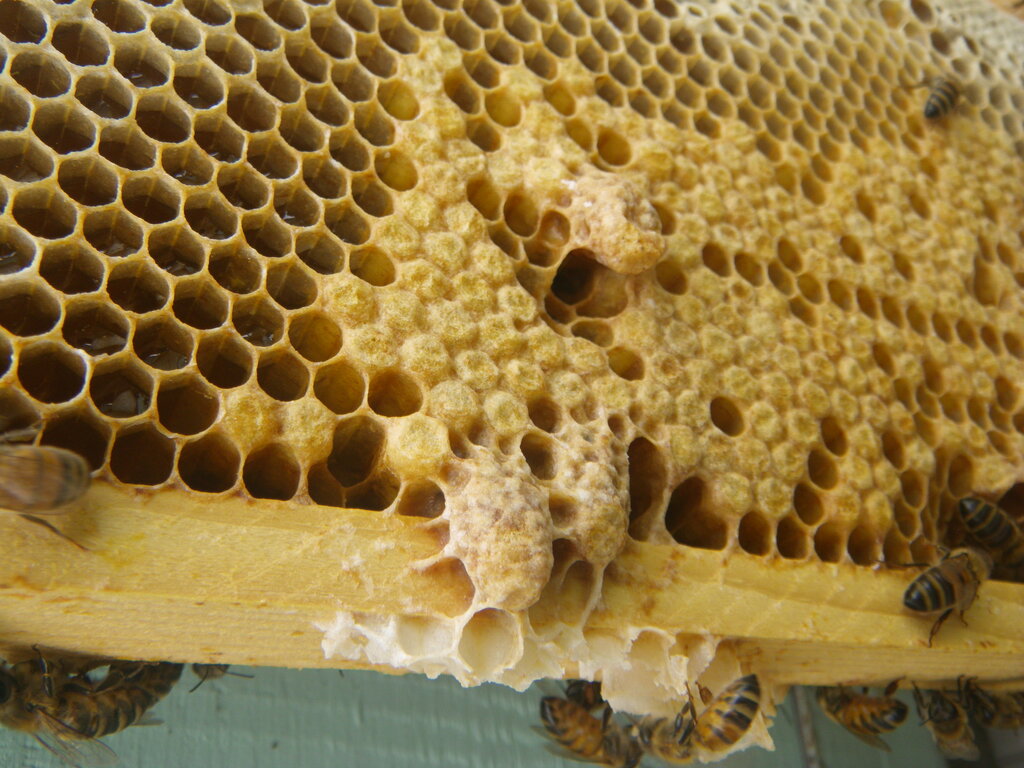
The entire process from egg to emerged queen is remarkably fast. This rapid development ensures the colony isn't without an egg-layer for too long.
| Stage | Duration |
|---|---|
| Egg | 3 days |
| Larva | 5.5 days |
| Pupa (Capped Cell) | 7.5 days |
| Total | ~16 days |
Once she emerges, the new queen will embark on mating flights before returning to the hive to begin her life's work of laying eggs.
Why a Good Queen Matters
The quality of the queen directly impacts the entire colony's success. A high-quality queen is a prolific egg-layer, ensuring the hive has a strong, numerous workforce to gather nectar, produce honey, and defend the colony. Her genetics determine the traits of her offspring.
A colony with a good queen is more likely to be gentle, productive, and resistant to diseases and pests. A poor queen can lead to a weak, aggressive, and vulnerable colony.
This is why beekeepers don't always leave queen production to chance. While bees are perfectly capable of raising their own queens when the old one fails (supersedure) or when the colony swarms, the results can be unpredictable. By taking an active role in the process, beekeepers can select for the specific traits they want to see in their apiary.
Queen health and quality can be controlled to an extent by the beekeeper.
Controlled queen rearing allows beekeepers to breed from their best hives, those that overwintered well, produced a lot of honey, or showed strong resistance to mites. It’s a way to improve the overall health and productivity of their bees year after year.
An Overview of Queen Rearing
In essence, queen rearing is the process of encouraging a colony to produce new queens under controlled conditions. Beekeepers create a situation that mimics the natural queen-making impulse, but they provide larvae from a carefully selected mother queen.
The most common method involves a technique called grafting. The beekeeper carefully transfers very young larvae from the chosen mother colony into artificial queen cups. These cups are then placed into a strong, queenless "cell builder" colony. The nurse bees in this colony, sensing their queenlessness, will feed the grafted larvae copious amounts of royal jelly, raising them as new queens.
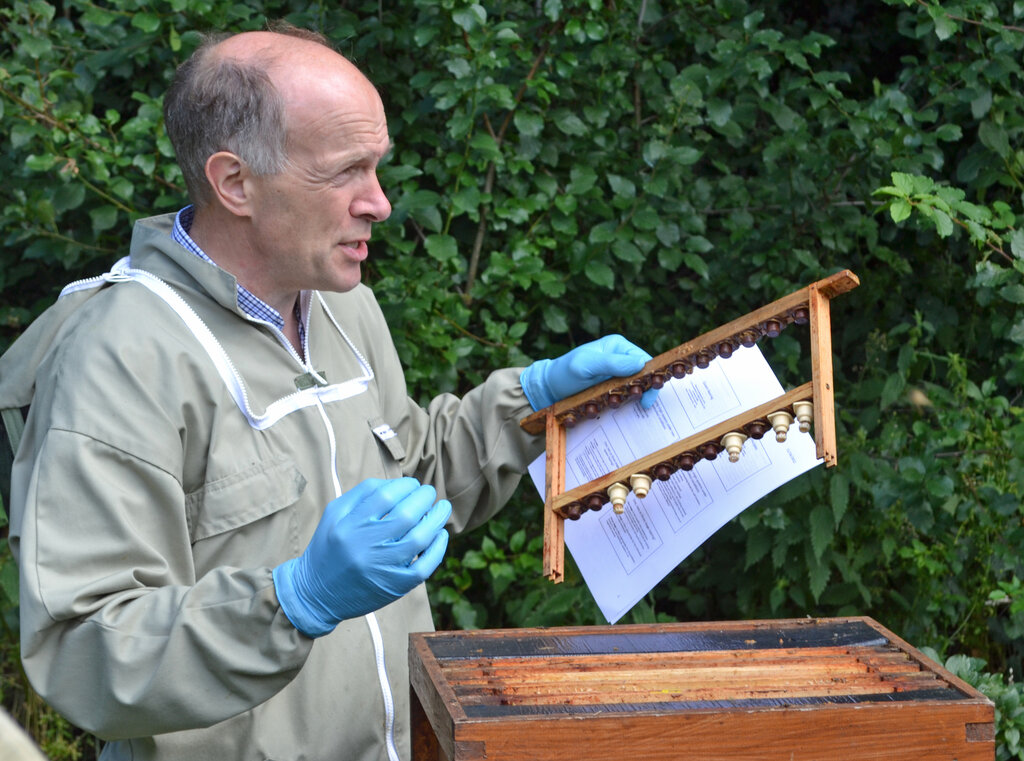
This practice allows for the production of many queens from superior genetic stock at a predictable time. It gives beekeepers the ability to replace failing queens, expand their number of hives, or even sell queens to others, making it a cornerstone of sustainable beekeeping.
What is the primary role of a queen bee in her colony?
What special substance is a larva fed exclusively to enable it to develop into a queen bee?