Commercial Flood Insurance for Hotels
Flood Risk Assessment
What's Your Flood Risk?
Flooding doesn't just happen to properties on the coast. Rivers overflow, drainage systems fail, and heavy rain can cause flash floods anywhere. For a hotel, understanding your specific flood risk is the first step toward protecting your investment and ensuring guest safety.
The Federal Emergency Management Agency, or FEMA, is the primary source for flood risk information in the United States. They create detailed maps that show which areas have a high, moderate, or low risk of flooding.
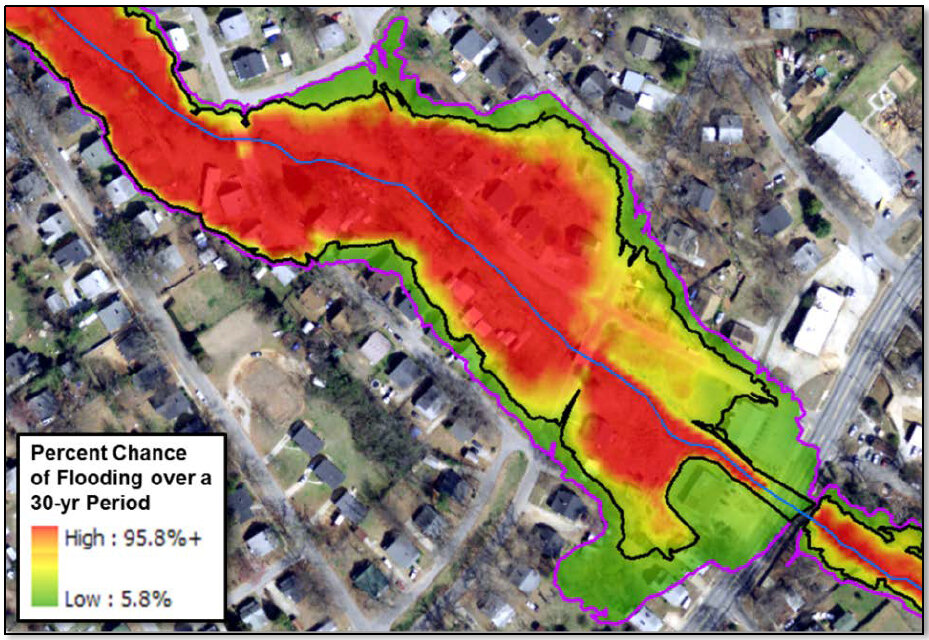
These maps, officially called Flood Insurance Rate Maps (FIRMs), are essential tools. They are used by lenders, local governments, and property owners to make informed decisions. Knowing how to read them is a critical skill.
Decoding the Flood Zones
FEMA maps divide areas into different flood zones, each with a letter designation that corresponds to a level of risk. The most important ones for a property owner to know are the Special Flood Hazard Areas (SFHAs). These are zones where there is at least a 1% chance of flooding in any given year, also known as the 100-year flood.
A 1% annual chance might sound low, but over a 30-year mortgage, it adds up to a 26% chance of experiencing at least one major flood.
Here’s a quick breakdown of the common zones:
| Zone | Risk Level | Description |
|---|---|---|
| A | High | Areas subject to a 1% annual chance of flooding. The map may or may not provide a Base Flood Elevation (BFE). |
| V | High | Coastal areas with a 1% annual chance of flooding, plus the additional hazard of storm waves. These are the most hazardous zones. |
| X | Moderate to Low | Areas with a 0.2% annual chance of flooding (shaded) or determined to be outside the 0.2% annual chance floodplain (unshaded). |
On these maps, you'll also find the Base Flood Elevation (BFE). This is the height to which floodwater is expected to rise during a 1% annual chance flood. If your property is in an A or V zone, the BFE tells you how high you need to build or elevate critical systems to minimize flood damage.
Vulnerabilities Beyond the Map
A FEMA map gives you the big picture, but you also need to assess your hotel's specific weak points. A flood doesn't have to be catastrophic to cause major problems. Even a few inches of water can shut you down.
Think about your property from the ground up. Where are your critical systems? Your electrical panels, HVAC units, and boilers are often located on the ground floor or in the basement, making them highly vulnerable. The same goes for your lobby, restaurant, laundry facilities, and guest rooms on the first floor.
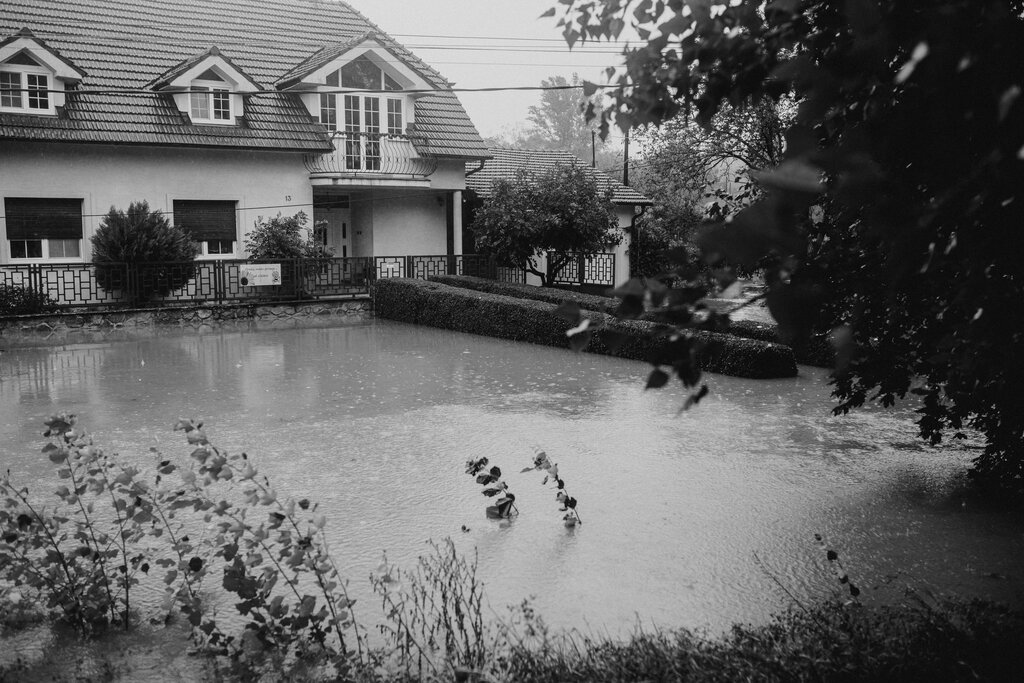
Don't forget about access. Can guests and emergency services reach your hotel if nearby roads are flooded? Are your parking garages, especially underground ones, protected from inundation? A detailed site assessment will reveal these property-specific risks that a broad flood map won't show.
The Impact on Business
A high flood risk directly affects your bottom line. It can lower your property's value because potential buyers see the increased danger and associated costs. Lenders may require you to carry expensive flood insurance or even deny financing for properties in the most hazardous zones.
Beyond property value, the operational impact is huge. A flood means business interruption. You'll face cleanup costs, repair expenses, and lost revenue from being closed. A flood event can also damage your hotel's reputation if guests feel their safety was compromised.
Properties in high-risk areas, such as those vulnerable to wildfires, hurricanes, or flooding, are experiencing slower appreciation, higher vacancy rates, and reduced demand.
Understanding your flood risk isn't just about compliance or insurance. It's about proactive management to protect your assets, your staff, and your guests.
Ready to check your understanding? Let's review what we've covered.
What is the primary source for official flood risk information in the United States?
An area designated as a Special Flood Hazard Area (SFHA) on a FEMA map has at least a ___% chance of flooding in any given year.
Assessing your flood risk is a foundational step. By interpreting the maps and evaluating your specific property, you can make smarter decisions to safeguard your hotel's future.