Commercial Bathroom Tile Cleaner Formulation
Introduction to Cleaning Agents
The Building Blocks of Clean
Cleaning a bathroom tile isn't as simple as just wiping away dirt. It's a chemical mission, and every effective cleaner is a carefully chosen team of agents designed to tackle specific types of grime. Think of it like a special operations team: you don't send a demolition expert to do a negotiator's job. In the world of cleaning, the main players are surfactants, acids, alkalis, and solvents. Each has a unique skill set for breaking down the mess.
Surfactants The Social Connector
At the heart of most cleaning products is the surfactant. The word itself comes from "surface active agent," which is a great description of what it does. Its main job is to make water... well, wetter. Water has a high surface tension, meaning its molecules like to stick together. This makes it bead up on surfaces instead of spreading out to clean effectively. Surfactants break that tension, allowing water to spread and penetrate grime.
But their real magic lies in their split personality. A surfactant molecule has two ends: a "hydrophilic" (water-loving) head and a "hydrophobic" (water-fearing) tail. The water-fearing tail is attracted to oil and grease. When you apply a cleaner, the surfactant molecules surround particles of dirt and oil. Their tails grab onto the grime, while their heads face outward into the water. This forms a tiny sphere called a micelle, which lifts the dirt particle off the surface and allows it to be washed away.
surfactant
noun
A substance that reduces the surface tension of a liquid, allowing it to spread more easily, and can emulsify oils and fats.
Essentially, surfactants act as a bridge between water and oily dirt, convincing them to mix so the grime can be rinsed away.
Acids and Alkalis The Heavy Hitters
While surfactants are great for general grime, some stains need a more forceful approach. This is where acids and alkalis come in. They exist on opposite ends of the pH scale and excel at breaking down different types of soils through chemical reactions.
Acids are champions at dissolving mineral deposits. Think of the crusty white buildup around your faucet or the reddish-brown rust stains in the shower. That's limescale and iron oxide. Acidic cleaners, using ingredients like citric or glycolic acid, react with these mineral-based stains and dissolve them into substances that can be easily wiped away.
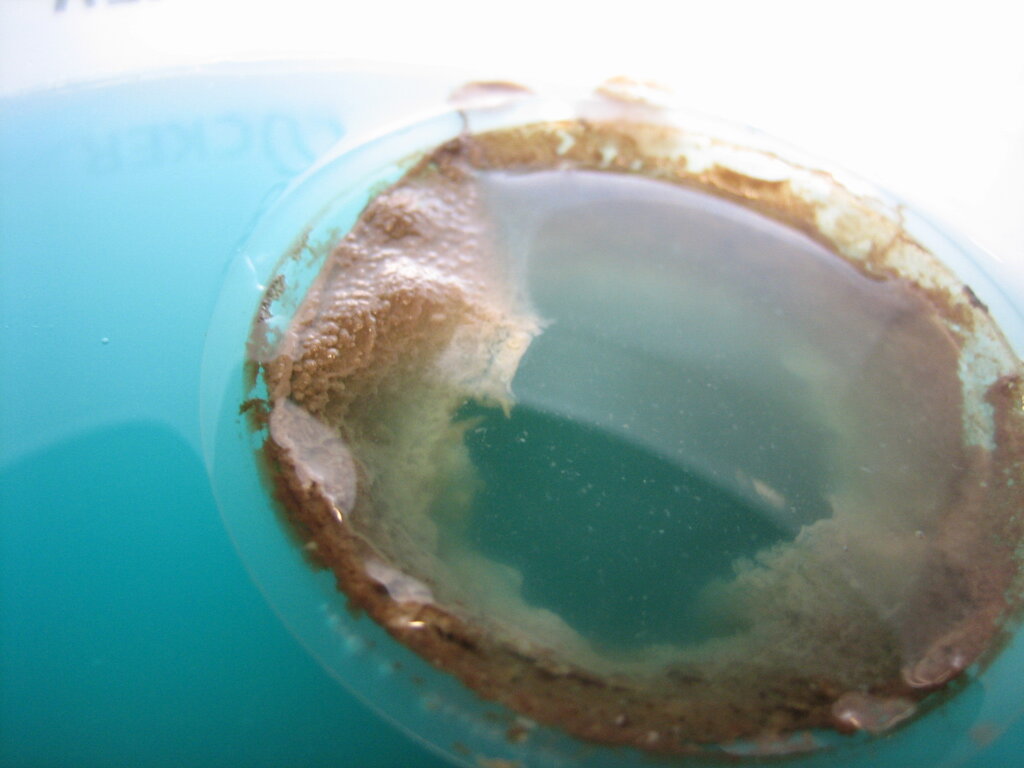
On the other end of the spectrum are alkalis, also known as bases. These are the mortal enemies of organic soils. Soap scum, body oils, and greasy buildup don't stand a chance. Alkaline cleaners, which might contain ingredients like sodium bicarbonate or ammonia, work by breaking down fats and oils in a process called saponification, turning them into a soapy substance that rinses away easily.
alkali
noun
A substance that has a pH greater than 7 and is capable of neutralizing an acid. Also known as a base.
| Agent | Best For Cleaning | Common Examples |
|---|---|---|
| Acids | Mineral deposits, limescale, rust | Citric acid, vinegar |
| Alkalis | Grease, oils, soap scum, fats | Baking soda, ammonia |
Solvents The Great Dissolvers
The last member of our cleaning team is the solvent. A solvent is simply a liquid that can dissolve another substance. Water is the most common solvent on Earth, but it can't dissolve everything. Oily and waxy substances, for instance, just float on top of it.
That's why many cleaners include other types of solvents, like isopropyl alcohol or glycol ethers. These are added to dissolve the stubborn, greasy, or sticky soils that water and surfactants can't fully handle. They work by breaking down the soil into smaller particles and holding them in the liquid solution, allowing them to be wiped or rinsed away without leaving a residue.
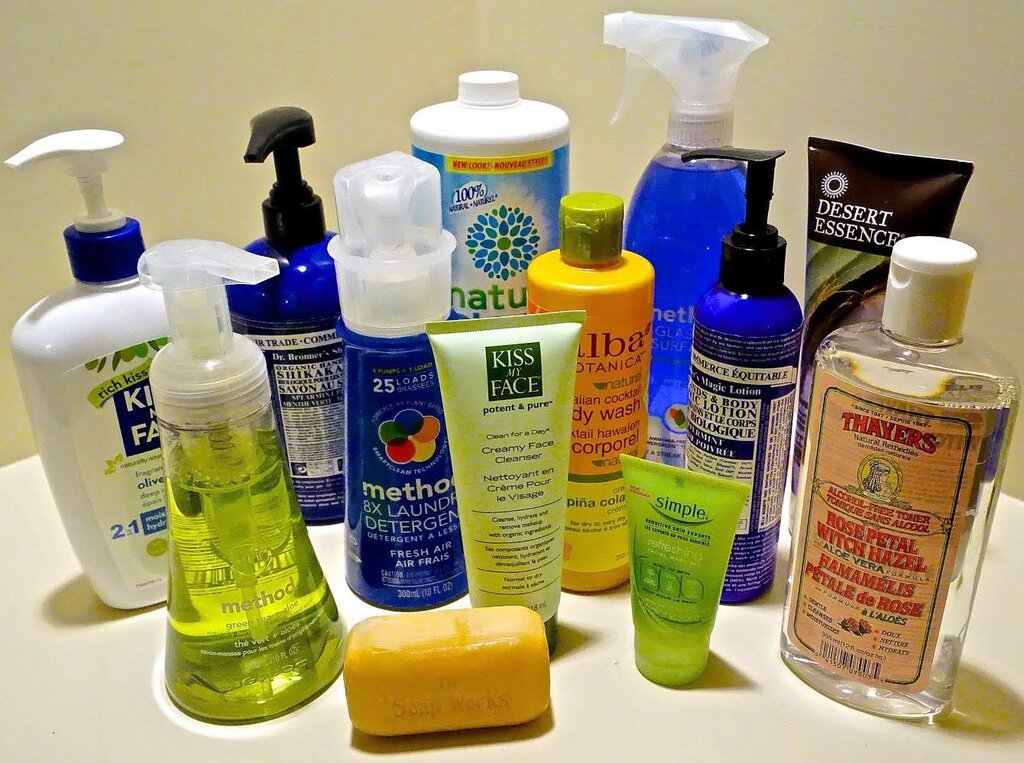
A good bathroom tile cleaner is rarely just one of these things. It's usually a balanced formulation. It will likely contain a surfactant for general dirt, a mild acid to handle hard water spots, and perhaps a solvent to cut through soap scum residue. By combining these different agents, formulators can create a product that tackles the wide range of messes found on bathroom surfaces.
What is the primary function of a surfactant in a cleaning solution?
You notice a crusty, white buildup around your faucet from hard water. Which type of cleaning agent is specifically designed to dissolve these mineral deposits?
Understanding these four types of cleaning agents is the first step in seeing how a simple cleaning product is actually a complex piece of chemistry.