Comic Drawing Essentials
Introduction to Comic Art
Your Toolkit
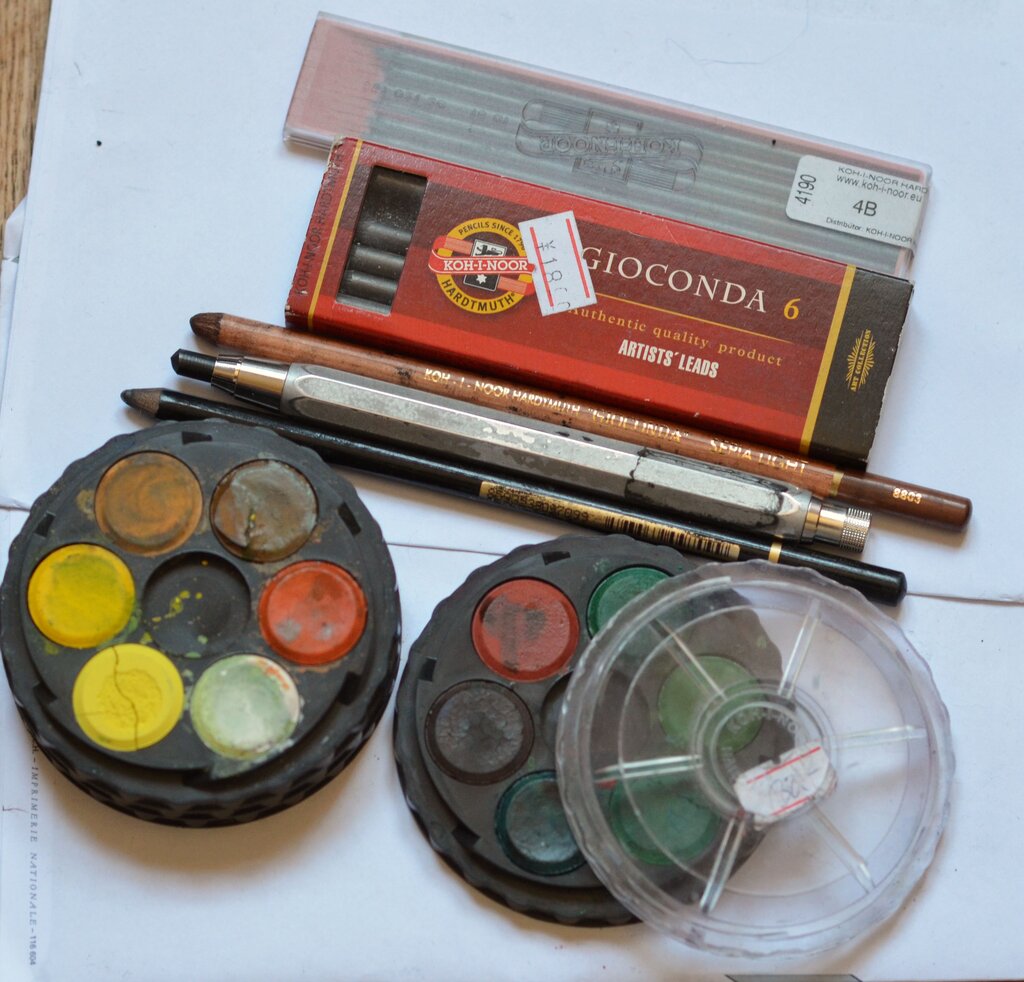
Every artist needs their tools. For comic art, you can start with just a few simple items. The journey begins with a pencil. Many artists use graphite pencils of varying hardness. A pencil labeled 'H' is hard and creates light lines, perfect for initial sketches. A 'B' pencil is soft, making darker marks ideal for shading or bolder lines.
Once you have your sketch, you'll need to ink it. This is what gives comics their clean, sharp look. Fineliner pens or technical pens are great for consistent, precise lines. For more expressive, variable lines, many artists swear by brush pens or a traditional nib pen with a bottle of India ink.
Paper matters, too. You'll want something smooth and sturdy that won't bleed when you apply ink. Bristol board is a popular choice for professional comic artists because of its durability and smooth surface. For practice, any heavy-weight sketch paper will do.
Of course, you can also go digital. A drawing tablet and stylus paired with software like Procreate, Clip Studio Paint, or Adobe Photoshop can replicate all these traditional tools and offer many more possibilities.
The Building Blocks of Drawing
Before you can draw complex characters or scenes, you need to master the basics. All drawing is built on simple shapes. Think of it like building with blocks. A character’s head is a sphere, their torso is a rectangular box, and their arms and legs are cylinders. By learning to draw these basic forms from any angle, you can construct anything you can imagine.
Begin by sketching basic shapes to lay the foundation for your anime character.
Once you're comfortable with shapes, focus on your lines. The quality of your lines can make or break a drawing. One key technique is using line weight, which means varying the thickness of your lines. Thicker lines can suggest weight, shadow, or bring an object closer to the viewer. Thinner lines can indicate distance, lighter surfaces, or delicate details. This simple trick adds a surprising amount of depth and professionalism to your art.
Adding Dimension
Shading is what turns a flat shape into a three-dimensional form. It's how you show where the light is coming from and how it hits an object. Even simple shading can give your drawings volume and make them feel more realistic.
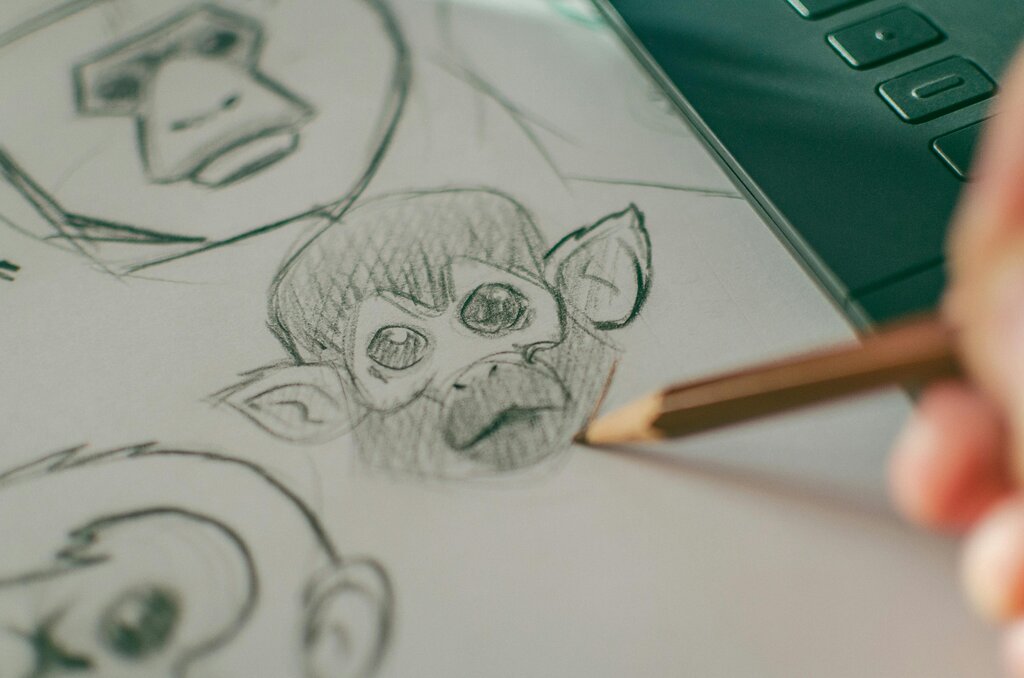
Two fundamental shading techniques are hatching and cross-hatching. Hatching involves drawing a series of parallel lines to create a shadow. The closer the lines are, the darker the shadow appears. Cross-hatching takes this a step further by adding a second set of lines that intersect the first, allowing you to build up even darker, richer tones.
These skills aren't learned overnight. The most important tool of all is consistent practice. Try to draw every day, even if it's just for 15 minutes. Fill sketchbooks with basic shapes, practice your line work, and experiment with shading different objects around you. This routine is what builds muscle memory and confidence, turning foundational knowledge into natural talent.
Ready to check your understanding? Let's see what you've learned.
According to comic art fundamentals, what is a pencil labeled 'B' best used for?
Which shading technique involves drawing two sets of intersecting parallel lines to create darker tones?
With these foundational skills, you're ready to start your journey into comic art. Mastering these basics is the first step toward creating compelling worlds and characters.