Comic Book Character Design Essentials
Understanding Human Anatomy
The Body's Framework
Before you can draw a dynamic hero or a believable character, you need to understand what’s going on underneath the skin. Every person, real or imagined, is built on a skeleton. Think of it as the scaffolding for your art. It provides the rigid structure that everything else hangs on, and it dictates the character's basic proportions and posture.
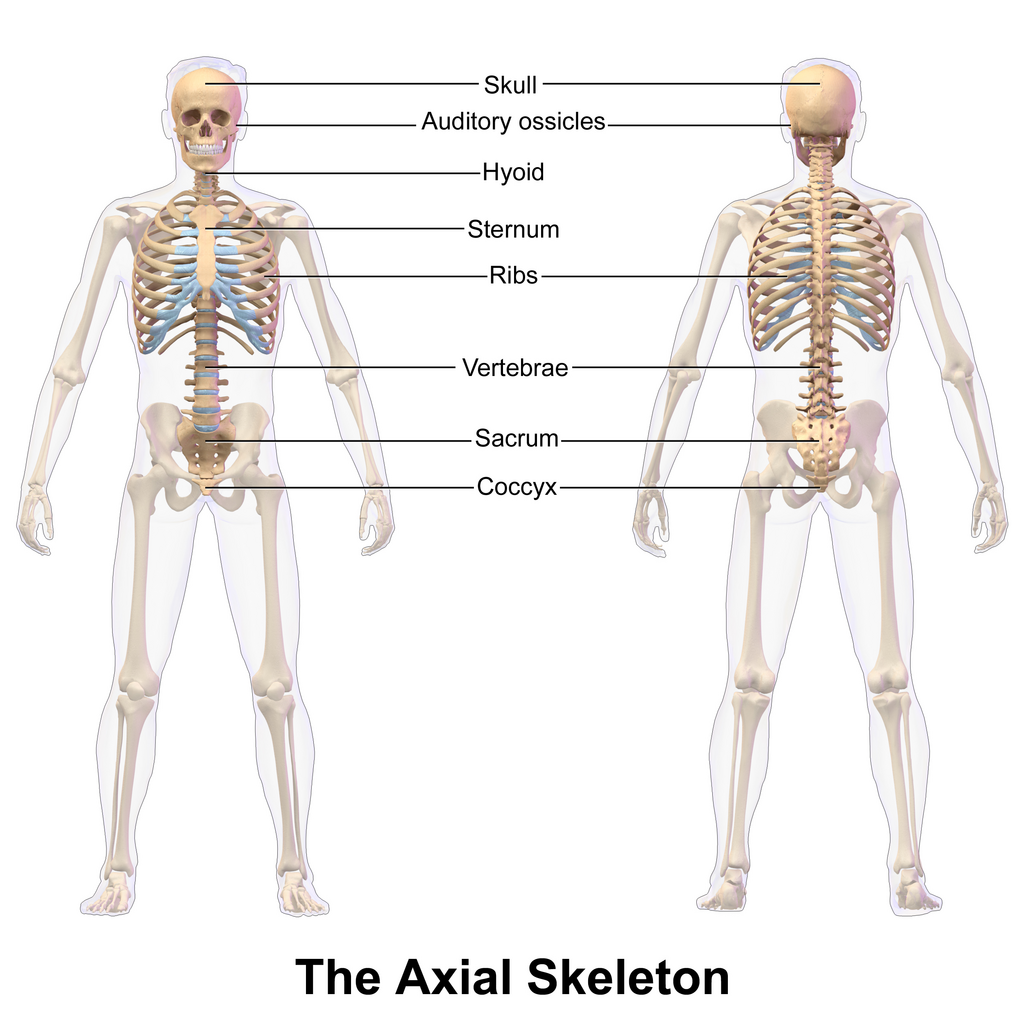
You don't need to memorize every single bone. Instead, focus on the major landmarks. The skull sets the proportions for the head. The rib cage is a solid, barrel-like shape that protects the organs and influences the torso's form. The spine is a flexible column that allows for bending and twisting, creating expressive poses. The pelvis acts as a sturdy base, connecting the spine to the legs.
Limbs are simpler: long bones for the upper and lower arms and legs, connected by joints that act as pivot points. Understanding where these joints are—shoulders, elbows, hips, knees—is the key to drawing natural movement. When you sketch, try to feel these bony structures under the surface. It will keep your figures from looking rubbery and weightless.
Start your drawings with a simplified skeleton. This ensures your proportions are correct from the very beginning.
A good starting point for realistic proportions is the "8 heads" rule, where the total height of the character is roughly eight times the height of their head. This isn't a rigid law, but it's a reliable guideline for creating a balanced figure.
Muscles in Motion
If the skeleton is the frame, muscles are the engine and the bodywork. They attach to bones and pull on them to create movement. They also give the body its shape, defining the contours of the arms, legs, and torso. Understanding the major muscle groups is crucial for drawing figures that look powerful, graceful, or just plain real.
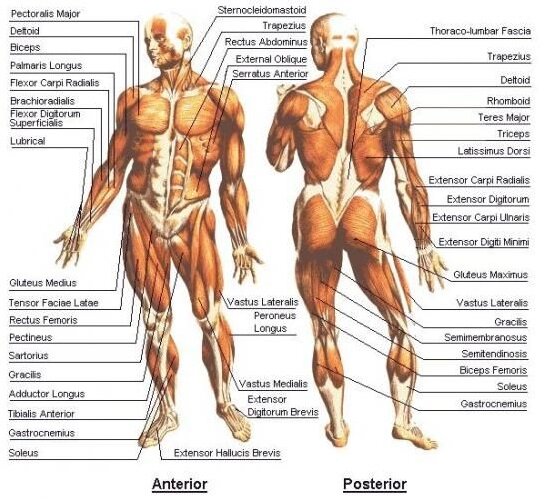
Again, you don’t need a medical degree. Focus on the big, visible muscles that define the form. Notice how the deltoids cap the shoulders, creating a powerful T-shape with the torso. See how the biceps and triceps on the upper arm work in opposition to bend and straighten the elbow.
When a muscle contracts, it bulges. When it relaxes, it elongates. This constant interplay is what creates the dynamic surface of a living body. Think about what a character is doing. If they are lifting something heavy, the muscles in their back and arms will be tense and defined. If they are relaxed, the forms will be softer.
| Muscle Group | Location | Primary Action |
|---|---|---|
| Pectorals | Chest | Pushes arms forward |
| Deltoids | Shoulders | Lifts arms out to the side |
| Biceps / Triceps | Upper Arm | Bends / Straightens elbow |
| Abdominals | Stomach | Bends the torso forward |
| Latissimus Dorsi | Back | Pulls arms downward and back |
| Quadriceps | Front of Thigh | Straightens the knee |
As a practical exercise, find photos of athletes or dancers. Try sketching the simple bone structure first, then layer the major muscle groups on top. Pay attention to which muscles are flexed and which are relaxed based on the pose. This will help you internalize how anatomy creates action.
Time to test your knowledge of the body's building blocks.
What is the primary function of the skeleton when constructing a figure drawing?
The '8 heads' rule is a guideline used for what purpose in figure drawing?
Building your drawings on a solid foundation of anatomy will make them more convincing and dynamic. Keep practicing, and soon it will become second nature.