Comfortable Cross-Legged Sitting
Body Awareness for Sitting
Your Body's Blueprint for Sitting
To sit comfortably cross-legged, you first need to understand the main structures involved. Think of it like learning the key players on a team. Your team includes your hips, your pelvis, and your lower spine.
Your hip is a ball-and-socket joint, designed for a wide range of motion. The “ball” is the head of your femur (thigh bone), and the “socket” is a cup-like structure in your pelvis called the acetabulum. This design allows your leg to swing forward and back, side to side, and to rotate.
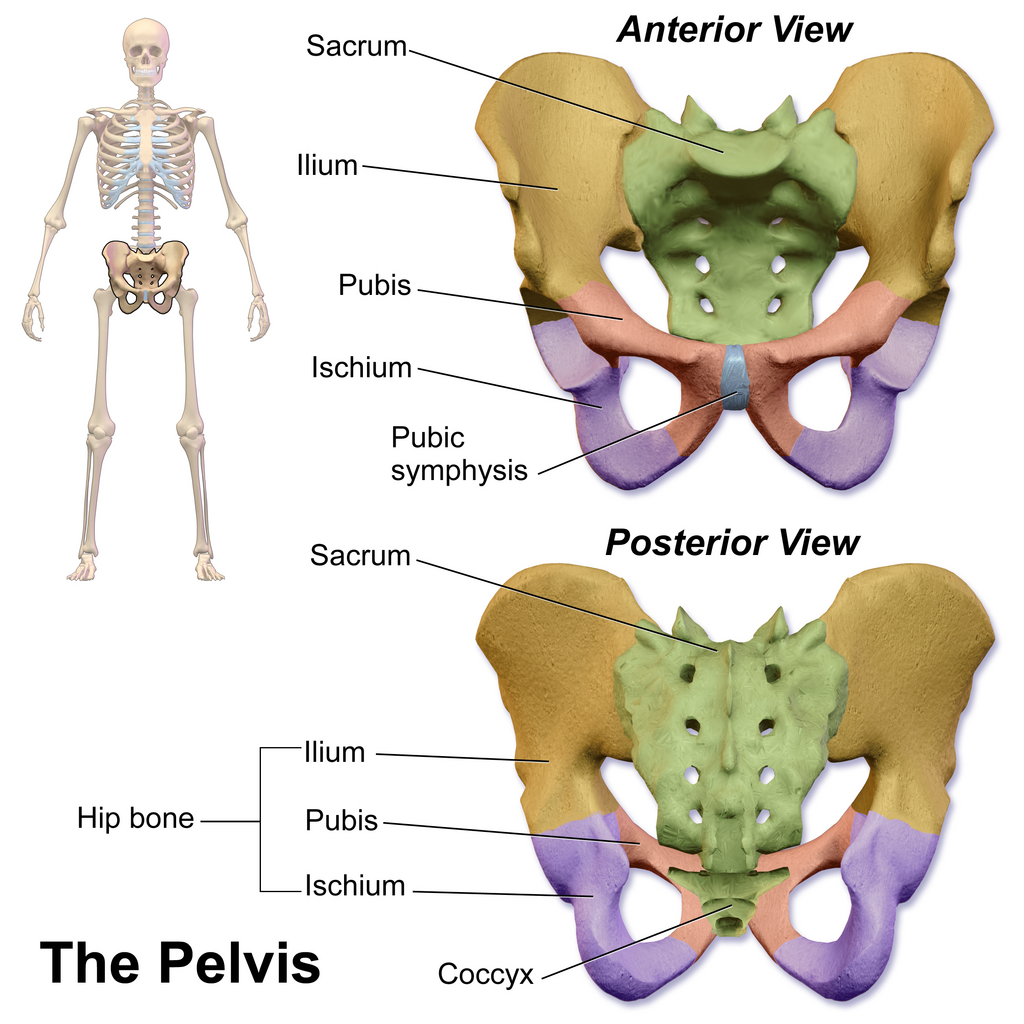
The pelvis is the bony cradle that connects your spine to your legs. It’s not one single bone but a sturdy ring made of several fused bones. It acts as the foundation for your entire upper body. When this foundation is stable and well-aligned, your spine can sit on top of it without strain.
For cross-legged sitting, the most important hip movements are external and internal rotation. External rotation is the movement of turning your thigh outward, away from the centreline of your body. Think of the motion you make when you cross one ankle over the opposite knee while sitting in a chair. Internal rotation is the opposite, turning your thigh inward.
Without enough external rotation, your body has to find that range of motion somewhere else. Usually, it’s the knees or lower back that pay the price, leading to strain and discomfort. The ability to sit cross-legged comfortably comes almost entirely from having open, mobile hips that can rotate externally with ease.
The Tilt of Your Pelvis
Your pelvis isn't static; it can tilt forward and backward. This pelvic tilt directly changes the curve of your lower spine and is a major factor in back pain.
An anterior pelvic tilt is when the top of your pelvis tips forward. This exaggerates the curve in your lower back, compressing the vertebrae. It often happens when your hip flexors are tight, pulling the front of the pelvis down.
A posterior pelvic tilt is the opposite: the top of the pelvis tips backward, causing your lower back to round or flatten. This often happens when people slouch on the floor. Both tilts move your spine out of a neutral, supported position, putting stress on the muscles and discs of your lower back.
Checking Your Own Mobility
Now, let's connect this anatomy to your own body. You can perform simple checks to build awareness of your personal patterns.
Test Your Hip Rotation: Sit on the edge of a sturdy chair with your feet flat on the floor and knees bent at 90 degrees. Lift your right foot and place your right ankle on your left thigh, just above the knee. What happens? Does your right knee drop down toward the floor, roughly parallel with your ankle? Or does it point up toward the ceiling? The lower the knee can comfortably drop, the more external rotation you have in that hip. Check the other side, too. It's common to have differences between the left and right.
Notice, don't judge. Your body is giving you information, not a grade.
Find Your Pelvic Tilt: Sit on that same chair edge. Place your hands under your buttocks and feel for two bony points. These are your or "sits bones." Now, intentionally arch your back, tilting your pelvis forward (anterior tilt). You should feel your weight roll forward, off the sits bones. Next, slouch and round your lower back (posterior tilt). You'll feel your weight roll backward, onto your tailbone.
Finally, find the spot right in the middle where you feel balanced directly on top of those two bony points. That's your neutral pelvis. This is the position that supports your spine most effectively, whether you're in a chair or on the floor.
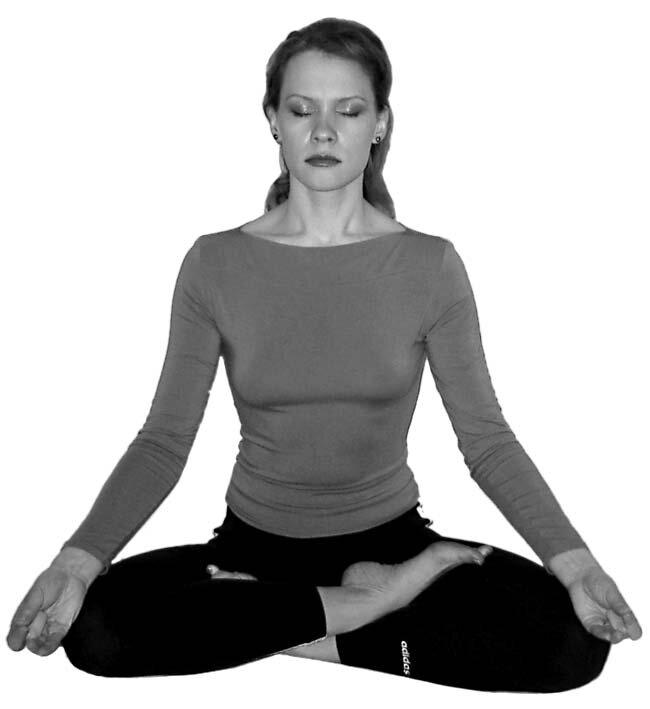
By understanding your own range of hip rotation and how to find a neutral pelvis, you've taken the most important step. This awareness is the foundation. It tells you where your unique limitations are and gives you the personal map you need to work toward sitting with greater ease.