Comedy Writing Essentials
Introduction to Comedy Writing
The Art of the Laugh
Comedy writing isn't just about stringing jokes together. It's the craft of creating characters, situations, and lines that make people laugh. It's a powerful tool used in everything from sitcoms and stand-up routines to advertisements and speeches.
At its core, comedy is about connection. A shared laugh builds a bridge between the writer and the audience. It can make a serious point more palatable, a sad story more bearable, or a simple observation unforgettable. Understanding the mechanics of humor is the first step to writing something that genuinely connects.
Why We Laugh
Philosophers and psychologists have tried for centuries to figure out what makes us laugh. While there's no single answer, a few key theories help explain the mechanics of a good joke.
The Incongruity Theory: This is the most popular explanation. We laugh at the unexpected. Our brains see a pattern or expect a certain outcome, and when that expectation is broken in a surprising but harmless way, we laugh. Think of a talking dog or a punchline that comes out of left field.
Two other well-known ideas are the Superiority and Relief theories.
-
Superiority Theory: We laugh at the misfortunes or mistakes of others. This might sound mean, but it's a fundamental part of physical comedy. When a cartoon character slips on a banana peel, we laugh because we're not the one slipping. It gives us a momentary feeling of being above the situation.
-
Relief Theory: Laughter is a way to release pent-up tension. A joke or a story builds suspense, and the punchline provides a sudden release. This is common in horror-comedies, where a scary moment is immediately followed by a joke to break the tension.
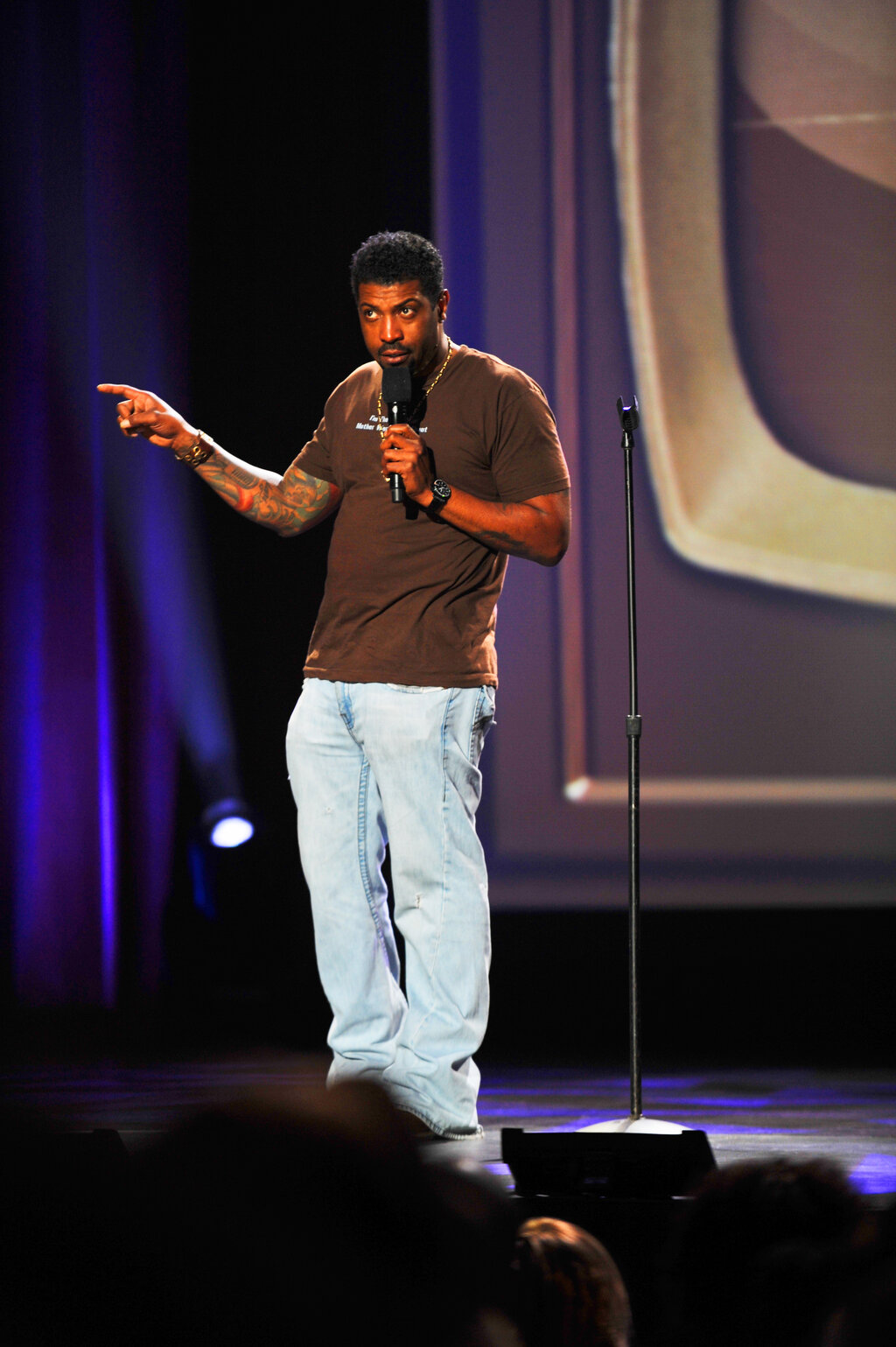
Most comedy uses a mix of these ideas. A great joke might surprise you (incongruity), make you feel clever for getting it (superiority), and release the tension of the setup (relief) all at once.
Humor Across Cultures
Humor isn't universal. What's hilarious in one country might be baffling or even offensive in another. This is because comedy often relies on shared cultural context—inside jokes, social norms, and common experiences.
Wordplay, puns, and sarcasm are heavily dependent on language and can be nearly impossible to translate. For example, British humor often relies on dry wit and understatement, while American humor can be more direct and energetic. On the other hand, physical comedy, like slapstick, tends to travel better because it doesn't rely on language.
Understanding your audience's cultural background is key to making sure your jokes land as intended.
Common Comedy Genres
Comedy comes in many flavors. While genres often overlap, understanding the basic formats can help you identify what kind of humor you want to create. Here are a few major types.
| Genre | Description | Example |
|---|---|---|
| Satire | Uses irony, exaggeration, or ridicule to critique people, politics, or society. | A news show that mockingly reports on current events. |
| Parody | Imitates a specific work, style, or genre for comic effect. | A movie that copies the style of a spy thriller but with a clumsy hero. |
| Slapstick | Physical comedy based on clumsy actions and mild, comic violence. | Someone getting a pie in the face. |
| Observational | Points out the humor in everyday life and common situations. | A comedian joking about the experience of going to the grocery store. |
| Dark Comedy | Makes light of subjects that are normally considered serious or taboo. | A joke about death or disaster. |
Now let's review some of the key ideas we've covered.
Ready to test your knowledge?
According to the text, what is the core function of comedy?
A character in a silent film meticulously sets up an elaborate stack of chairs, only to have them all tumble down when he sneezes. Which theory of humor best explains why an audience might laugh at this?
Understanding these foundations is the first step. By recognizing what makes things funny, you can start to apply those principles to your own creative work.