Combatting Heat Stress on Remote Construction Sites
Introduction to Heat Stress
What Is Heat Stress?
Your body works constantly to maintain a stable internal temperature, around 98.6°F (37°C). When you get hot, you sweat. As that sweat evaporates, it cools your skin, helping to release heat. This system works well most of the time.
But sometimes, the body can't keep up. Heat stress occurs when your body absorbs more heat than it can get rid of. The cooling system becomes overwhelmed, and your internal temperature starts to rise. It's the total heat burden placed on the body.
heat stress
noun
The total heat load on the body from the combined effects of environmental heat, metabolic heat from physical activity, and clothing.
This isn't just about feeling uncomfortable. It’s a serious condition that can lead to illness, injury, and even death. To understand it, we need to look at two sets of factors: those from the environment and those from the job itself.
The Environment's Role
The conditions at a remote construction site play a huge role in heat stress. It's not just about how hot the thermometer says it is. Four key environmental factors stack up:
- Air Temperature: This is the most obvious one. Higher temperatures mean your body has to work harder to cool down.
- Humidity: When the air is full of moisture, sweat can't evaporate easily from your skin. This makes sweating a much less effective cooling method.
- Radiant Heat: This is the heat you feel radiating from hot objects, like direct sunlight, hot asphalt, or machinery. It can add a significant heat load, even if the air temperature isn't extreme.
- Air Movement: A breeze helps sweat evaporate and cools the skin. When the air is still, heat and humidity can linger around your body, making it harder to cool off.
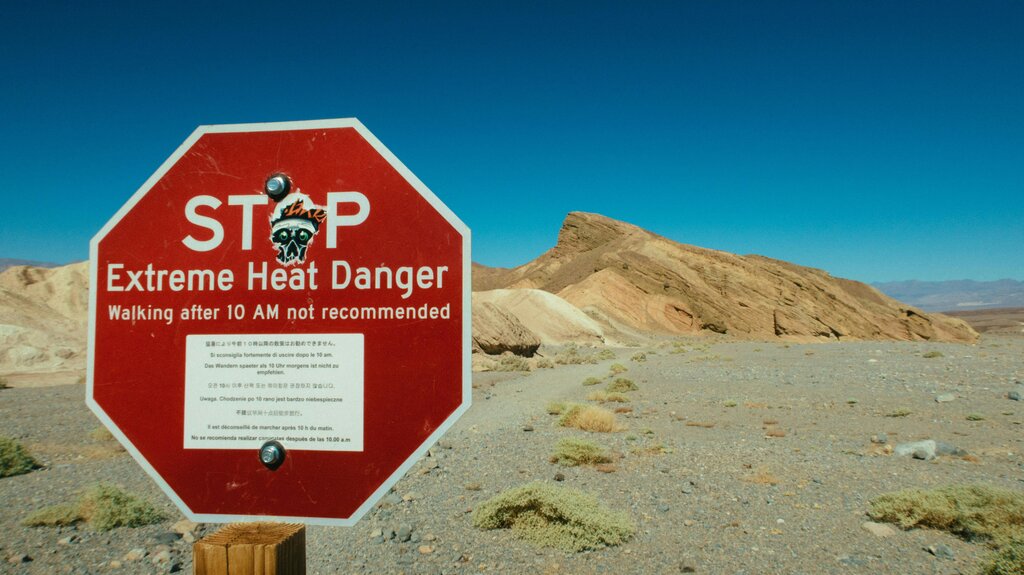
On a remote site, workers might be exposed to all of these at once: high temperatures, strong sun, and still air, far from any shade or cool buildings.
The Job's Demands
The work itself also generates heat. Construction is physically demanding, and that exertion creates metabolic heat—heat produced inside your body from muscle activity. This adds to the environmental heat load.
The equipment required for the job is another factor. Personal Protective Equipment (PPE) is essential for safety, but it can also trap heat and moisture. Heavy work clothes, hard hats, gloves, and respirators limit the body's ability to release heat.
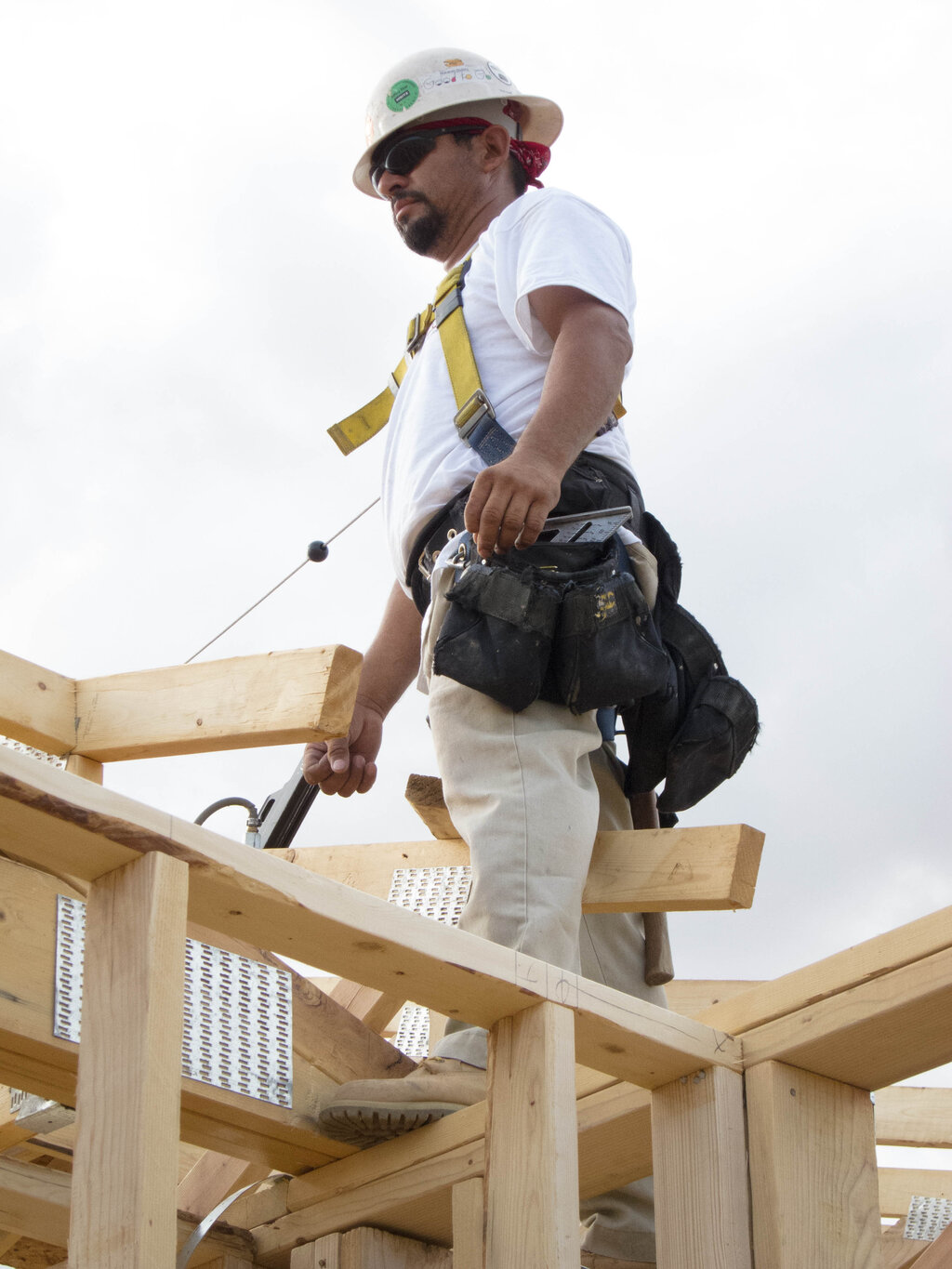
Think of it like this: the environment loads heat onto the body from the outside, while physical labor and clothing trap heat on the inside. When both happen at once, the risk of heat stress skyrockets.
Why This Matters on Site
Understanding heat stress is critical for keeping a construction site safe and productive. When a worker's body is struggling to cool down, their physical and mental abilities decline.
Even mild heat stress can impair judgment, slow reaction times, and reduce coordination. This increases the risk of accidents with tools, machinery, or from falls. A worker might not recognize a hazard or might make a crucial mistake. As heat stress worsens, workers can experience heat exhaustion or, in the most severe cases, life-threatening heat stroke.
Productivity also suffers. Workers naturally slow down in the heat to reduce their metabolic heat production. They need more frequent breaks for rest and hydration. Ignoring these needs doesn't just endanger the worker; it leads to delays and lower-quality work.
Recognizing the factors that contribute to heat stress is the first step in preventing it. It's about protecting the well-being of the crew and ensuring the project runs smoothly and safely.
What is the primary definition of heat stress?
High humidity makes the body's primary cooling method less effective. Why?
Knowing how to spot the risks is key to creating a safer work environment.