Combatting Food Waste at Home
Understanding Food Waste
The Food We Don't Eat
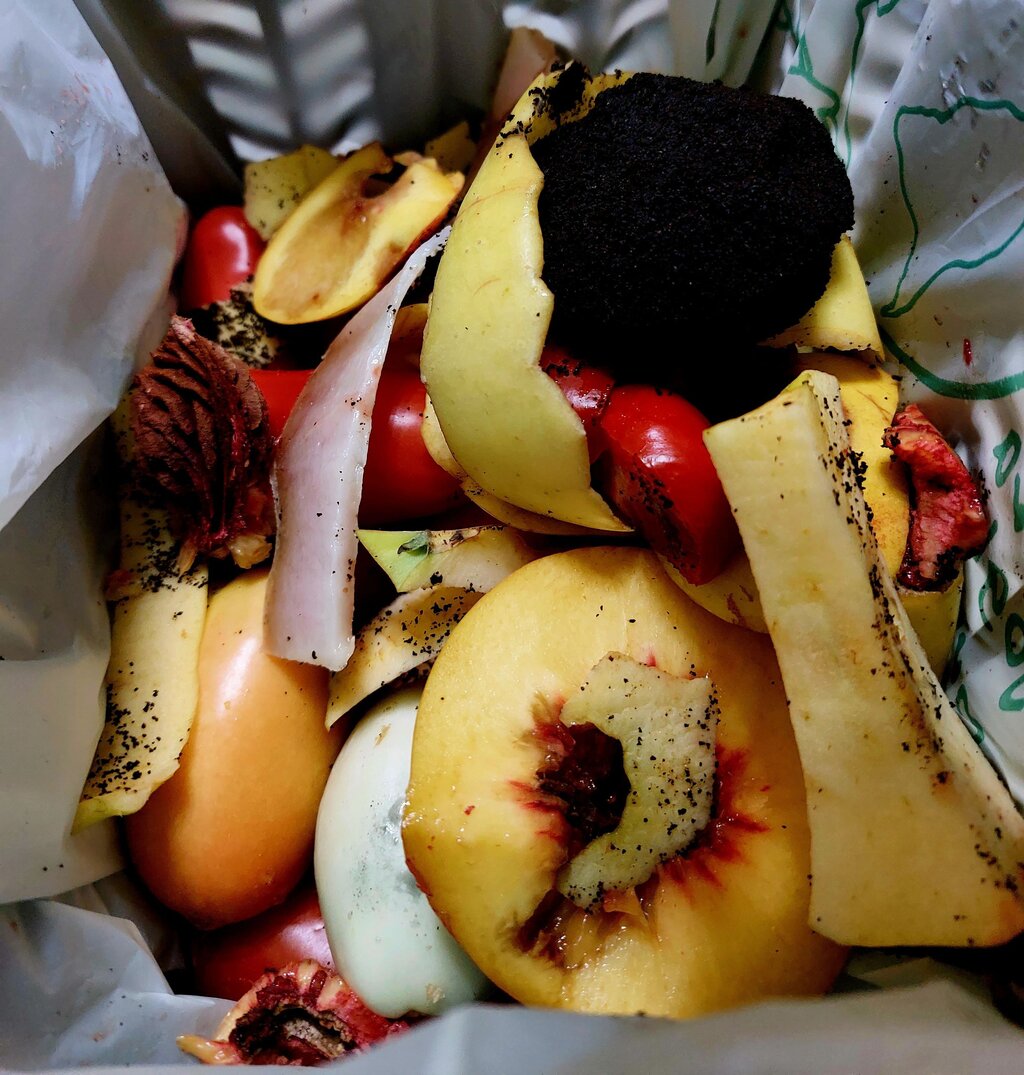
Household food waste is exactly what it sounds like: edible food that gets thrown away in our homes. It’s the forgotten leftovers in the back of the fridge, the fuzzy strawberries, or the extra bread that went stale. But it's also the perfectly good food we discard simply because we bought too much, cooked more than we could eat, or didn't like the look of a bruised apple.
This isn't just about scraps. A huge portion of food waste is whole, untouched food that could have been eaten. When we talk about the scope of this problem, we're looking at everything from the farm to your fork, but the choices made in our own kitchens play a surprisingly large role.
The Hidden Costs
Tossing out food is like throwing away money, but the consequences run much deeper. Every item of food we buy has a story. It required water, land, energy, labor, and fuel to grow, harvest, process, and transport.
When we waste food, all of those resources are wasted, too. For instance, producing a single pound of beef requires over 1,800 gallons of water. When that beef is thrown out, the water is lost with it.
Once in a landfill, food doesn't just disappear. It rots without oxygen, a process that releases methane, a potent greenhouse gas that is far more effective at trapping heat in the atmosphere than carbon dioxide. Landfills are one of the largest sources of human-caused methane emissions in the United States.
According to Project Drawdown (scientific research led by Paul Hawken), reducing food waste is number 3 on the list of the 100 most efficient ways of reducing global warming, so step up your game and get to action with your food!
The economic impact is staggering. The average American family of four throws away about $1,600 worth of produce annually. This waste adds up, contributing to higher food prices for everyone.
Beyond the environmental and economic toll, there's a serious social cost. Millions of Americans face food insecurity, meaning they lack consistent access to enough food for an active, healthy life. The sheer amount of edible food being discarded while people go hungry is a stark paradox of our modern food system.
A Look at the Numbers
The scale of food waste in the United States can be hard to grasp, but the statistics paint a clear picture. Households are the single largest source of food waste, contributing more than restaurants and grocery stores combined.
| Statistic | U.S. Annual Figure |
|---|---|
| Total Food Wasted | 30-40% of the food supply |
| Weight | ~80 million tons |
| Consumer Waste | ~43% of total waste |
| Economic Value | Over $200 billion |
These numbers show that individual actions, multiplied across millions of households, create a massive problem. They also reveal a powerful opportunity. If consumer behavior is the biggest part of the problem, it can also be the biggest part of the solution.
Reducing waste at home is one of the most direct ways individuals can make a positive impact on the environment and their own finances. It's a starting point that redefines our relationship with the food we eat, turning mindless consumption into mindful appreciation.
What is the single largest source of food waste in the United States?
When food rots in a landfill, what potent greenhouse gas does it release?
By understanding the true cost of food waste, we can begin to see the value in saving food from the trash can.