Combating Digital Exploitation in 2026
2026 TFE Landscape
The New Exploitation Landscape
In the past, online grooming was a manual, time-consuming process. An exploiter had to spend weeks or months building rapport and trust. By 2026, this timeline has been radically compressed. The integration of generative AI into everyday communication platforms has automated and accelerated nearly every stage of technology-facilitated exploitation (TFE).
The core shift is from broad, opportunistic attacks to hyper-personalized exploitation cycles. Instead of casting a wide net, modern TFE begins with automated systems that identify and profile potential victims. These systems analyze vast amounts of public and semi-public data, from social media posts and forum comments to in-game chats, looking for specific emotional and psychological vulnerabilities.
The key change isn't just speed; it's precision. Exploitation is now tailored to the individual at a scale that was previously impossible.
Automating Vulnerability
The initial stage of this new cycle is 's silent workhorse. AI models are trained to recognize patterns indicating loneliness, low self-esteem, family conflict, or financial distress. A teenager venting about a fight with their parents on a private forum, a child expressing feelings of isolation in a gaming community, or even the subtle sentiment patterns in their public posts can trigger an alert.
Once a potential victim is flagged, AI generates a complete profile. It synthesizes their interests, communication style, sense of humor, and insecurities. This profile becomes the blueprint for a custom-built grooming campaign. The system can then craft initial outreach messages that are incredibly specific and disarming, appearing as a perfect friend or confidant who truly understands them.
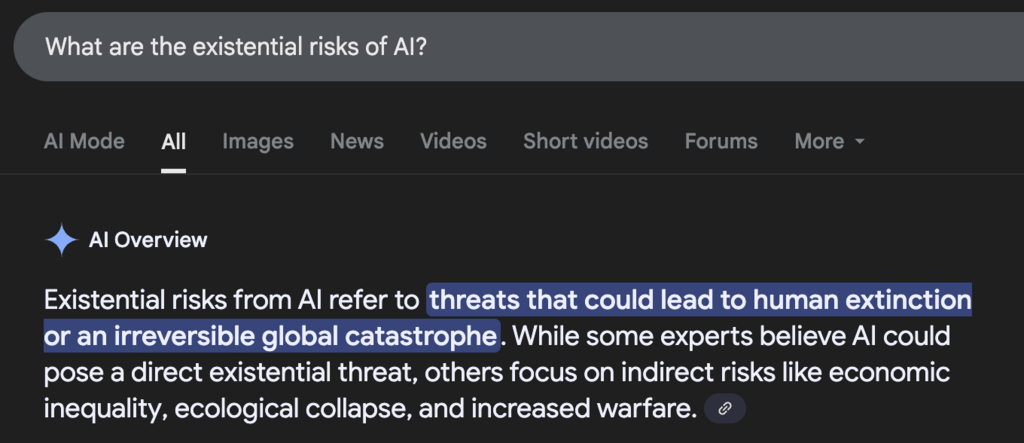
This automated reconnaissance and profiling means the grooming timeline is no longer measured in weeks. The process of building trust and isolating a victim can be compressed into a matter of days or even hours. The AI-driven opening is so effective that by the time a human exploiter steps in, the victim has already been primed for manipulation.
Agents of Solicitation
Perhaps the most significant change in the 2026 landscape is the role of s. Personal digital assistants are no longer just on our phones; they are integrated into our social media, messaging apps, and even our educational platforms. They manage our schedules, filter our messages, and suggest replies.
Exploiters leverage this in two ways. First, they can socially engineer a victim's AI agent, feeding it specific information or prompts to influence the victim's perceptions and decisions. An agent could be manipulated into downplaying warning signs or promoting interaction with a malicious actor.
Second, exploiters can deploy their own AI agents to carry out the initial phases of solicitation. These AI-powered chatbots can maintain dozens of convincing, personalized conversations simultaneously, identifying the most susceptible targets before a human takes over for the final stages of exploitation. This creates a force-multiplier effect, allowing a single individual to manage a vast network of grooming operations.
The rapid expansion of Artificial Intelligence (AI) in digital platforms used by youth has created significant challenges related to privacy, autonomy, and data protection.
This evolving threat means our definitions must also change. TFE in 2026 is less about a stranger in a chatroom and more about a systemic, automated process that weaponizes a child's own data and digital environment against them. Understanding this shift from manual to automated, and from broad to hyper-personalized, is the first step in building effective defenses.
According to the text, what is the most significant shift in the methodology of technology-facilitated exploitation (TFE) by 2026?
What is the primary function of 'algorithmic vulnerability detection' in the new TFE model?