COLREGs Navigation Rules
Introduction to COLREGs
The Rules of the Road at Sea
Imagine driving on a highway with no lanes, no traffic lights, and no speed limits. It would be chaos. The open ocean can feel just as vast and lawless, but for centuries, mariners have followed a set of rules to prevent disasters.
Today, the official rulebook is the International Regulations for Preventing Collisions at Sea, commonly known as COLREGs. Think of them as the universal traffic laws for every vessel on the water, from massive container ships to small fishing boats.
These rules weren't created overnight. For hundreds of years, maritime nations followed their own customs, leading to confusion and collisions. As global trade expanded, the need for a single, international standard became critical. In 1972, the International Maritime Organization (IMO), a specialized agency of the United Nations, established the COLREGs to create a unified system for all.
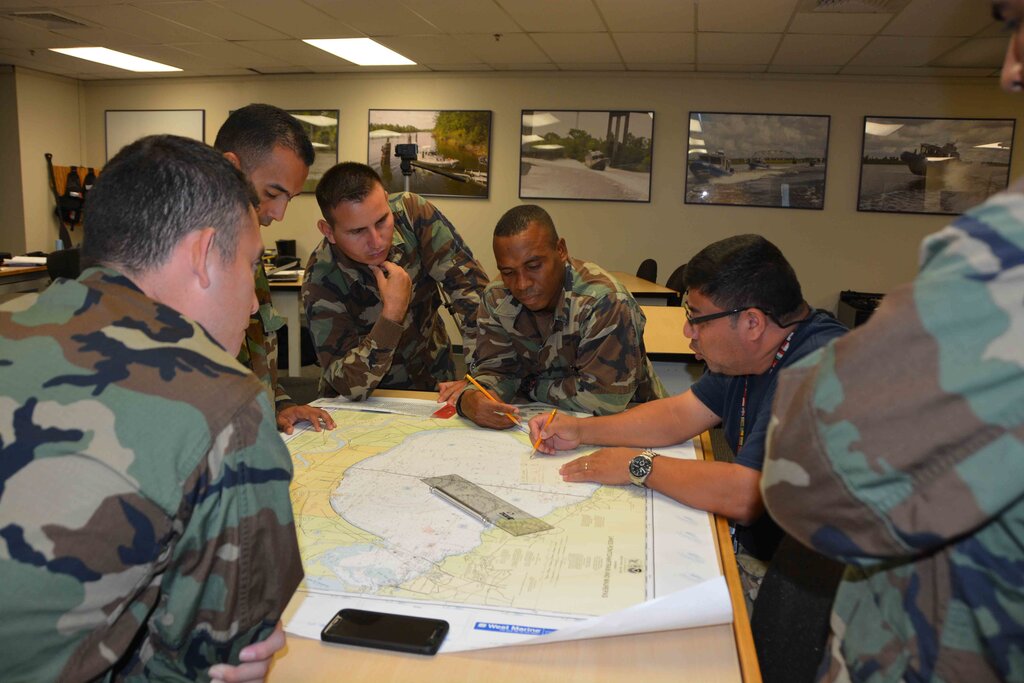
The primary purpose of COLREGs is simple: to prevent collisions. They provide a common language and set of actions for mariners everywhere, ensuring that a captain in the South China Sea understands the intentions of another captain from a different country, speaking a different language.
Anatomy of the Rulebook
The COLREGs are organized into six main sections, each covering a different aspect of vessel conduct and safety. Understanding this structure helps mariners find the right rule for any situation they might encounter.
| Part | Title | What it Covers |
|---|---|---|
| A | General | The basics, like who and what the rules apply to. |
| B | Steering and Sailing | The 'rules of the road,' dictating how vessels should act around each other. |
| C | Lights and Shapes | What lights a vessel must show at night and what shapes during the day. |
| D | Sound and Light Signals | The 'horn blasts' and signals used to communicate intentions or warnings. |
| E | Exemptions | Special cases where certain vessels are exempt from some rules. |
| F | Verification | How countries ensure their vessels comply with the regulations. |
Who Must Follow the Rules?
The application of COLREGs is broad and unambiguous. These rules apply to all vessels upon the high seas and in all waters connected therewith navigable by seagoing vessels. This means whether you're on a supertanker, a sailboat, or even a seaplane on the water, you are bound by these regulations.
Governments can create special rules for their own harbors, rivers, and inland waterways, but these local rules must align as closely as possible with the international COLREGs. This ensures a high degree of consistency for mariners moving between international and local waters.
The COLREGs are the foundation of safe navigation, creating a predictable environment on the unpredictable open seas.
Before we dive into the specific rules, let's review these core concepts.
Ready to check your understanding?
What is the primary purpose of the International Regulations for Preventing Collisions at Sea (COLREGs)?
The COLREGs apply to all vessels on the high seas and connected waters, including sailboats, container ships, and even seaplanes on the water.
Now that you understand the what and the why of COLREGs, we can begin to explore the specific rules that keep mariners safe.