COLREGs for Safer Sailing
Introduction to COLREGs
Rules of the Road at Sea
Imagine driving on a busy highway without any traffic laws. No speed limits, no lane markings, no stop signs. It would be chaos. The open ocean can be just as crowded and dangerous, which is why ships follow a universal set of rules to navigate safely.
These rules are formally known as the International Regulations for Preventing Collisions at Sea, or COLREGs. They are the nautical equivalent of traffic laws for all vessels on the water, from massive container ships to small fishing boats.
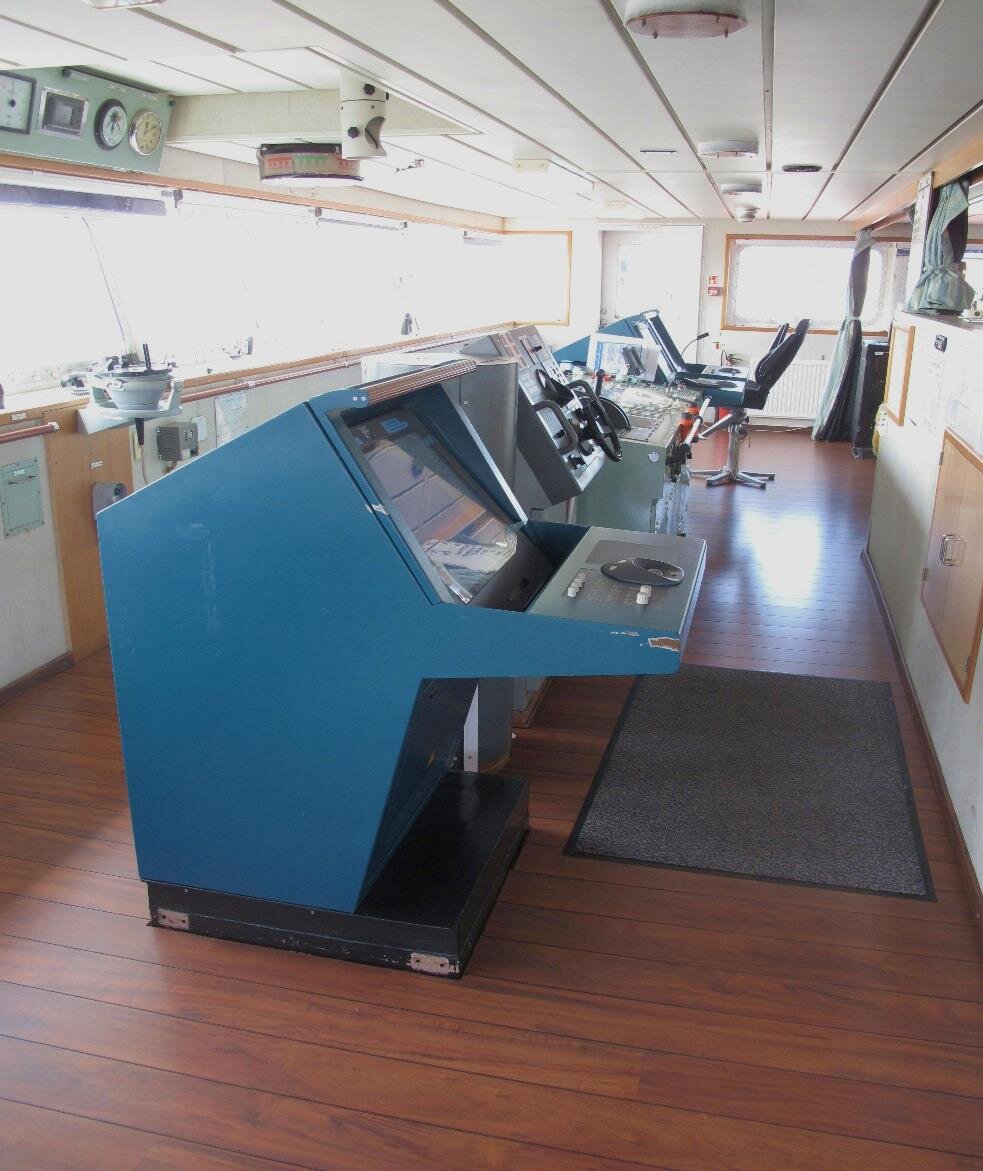
COLREGs
other
An international set of rules establishing traffic procedures for vessels at sea to prevent collisions.
The main purpose of COLREGs is simple: to prevent collisions. They provide a common language and a set of expectations for how vessels should interact with one another. This ensures that a ship captain in the South China Sea follows the same basic rules as a sailor in the English Channel, reducing confusion and increasing safety for everyone.
A History of Safety
Before a unified code existed, maritime rules were a confusing patchwork of local customs and national laws. A British ship might follow one set of rules, while a French ship followed another. As international trade grew in the 19th century, this became a serious problem, leading to frequent and tragic collisions.
The first international rules were adopted in 1863, but the modern COLREGs were established by the International Maritime Organization (IMO) at a convention in 1972. They came into force in 1977 and have been adopted by 164 countries and territories, covering more than 99% of the world's shipping tonnage. The rules are a living document, updated periodically to keep pace with new technology and changes in the shipping industry.
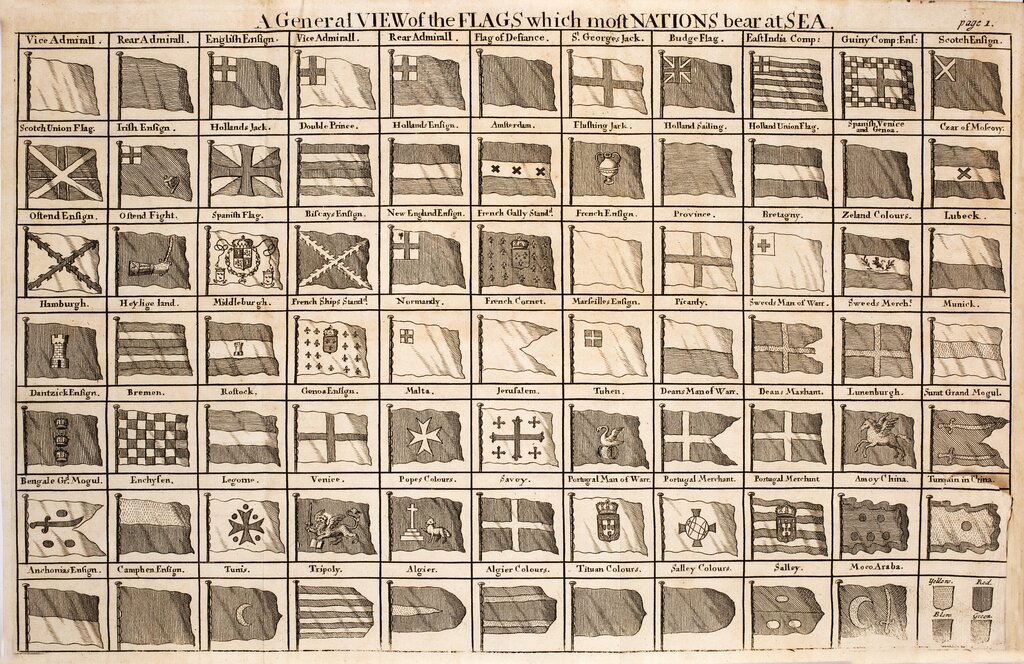
Think of COLREGs as the universal operating system for maritime navigation. Every vessel runs the same software, ensuring they can communicate and interact predictably.
How the Rules Are Organized
The COLREGs are logically structured to be as clear as possible. They are divided into several parts, each covering a different aspect of collision avoidance.
| Part | Title | Content Overview |
|---|---|---|
| Part A | General | Who the rules apply to and key definitions. |
| Part B | Steering and Sailing Rules | The "rules of the road," dictating vessel actions in different situations. |
| Part C | Lights and Shapes | What lights and shapes vessels must display to indicate their status. |
| Part D | Sound and Light Signals | Horns, whistles, and lights used for communication and warnings. |
| Part E | Exemptions | Special cases and exemptions from the rules. |
| Annexes | - | Technical details on lights, shapes, and sound-signaling appliances. |
This structure allows mariners to quickly find the relevant rule for any situation they encounter. While this course will eventually dive into the details of Parts B and C, for now, it's important to just understand the overall framework. Knowing where to look is the first step in applying the rules correctly.
These events teach vital lessons about safety, preparedness, and the need for stricter regulations in maritime operations.
Let's review the main ideas covered.
Now, test your understanding of the basics.
What is the primary purpose of the International Regulations for Preventing Collisions at Sea (COLREGs)?
Before the establishment of a unified international code, maritime navigation was governed by a confusing patchwork of __________.
Understanding the purpose and structure of COLREGs is the foundation for safe navigation. These rules create a predictable environment on the water, allowing mariners everywhere to share the seas with confidence.