College Information Management Systems Explained
Introduction to Information Management Systems
The College's Digital Backbone
Think about all the information a college juggles every single day. There are student applications, admission records, class schedules, attendance sheets, exam grades, library books, and fee payments. For years, all this was handled with paper files and endless manual work. It was slow, prone to errors, and incredibly inefficient.
An Information Management System, or IMS, is the modern solution to this chaos. It's a centralised digital system that helps an institution collect, store, manage, and use its data effectively. Think of it as the college's central nervous system. It connects different departments and ensures that information flows smoothly and securely to where it's needed.
A student information system is a software designed to help you manage every aspect of the student lifecycle from the time they join your institution till they graduate.
Why It Matters
The main job of an IMS is to bring order and efficiency to a college's operations. Instead of a student running from one office to another to get a form signed or check their dues, they can often do it with a few clicks on a student portal. This saves time and reduces frustration for everyone involved.
For the college administration, an IMS provides a clear, real-time view of what's happening. They can track admissions trends, monitor student attendance, and manage financial data all from one place. This makes planning and decision-making much more accurate. Faculty members also benefit. They can use the system to upload course materials, record grades, and communicate with students, streamlining their daily tasks.
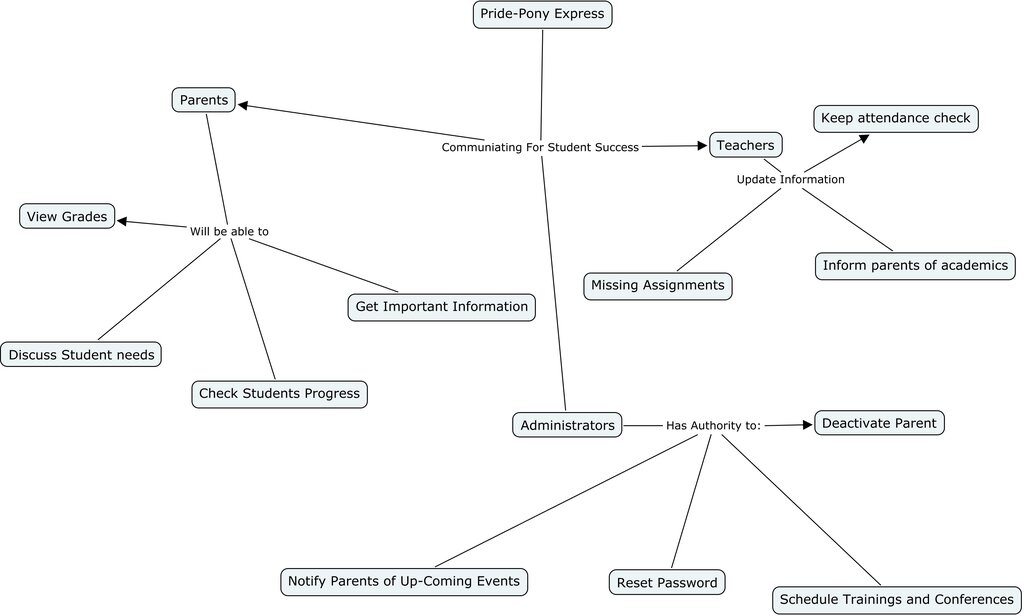
A Quick Look at Functionality
So, what does an IMS actually do on a day-to-day basis? While different systems have different features, most are built to handle a core set of tasks. The goal is to automate routine administrative and academic processes.
Here are some of the key functions an IMS typically manages:
| Function | Description |
|---|---|
| Student Information | Manages personal details, academic records, and contact info. |
| Admissions | Handles the entire application and enrolment process. |
| Course Management | Organises class schedules, course catalogues, and timetables. |
| Fee & Billing | Automates invoicing, payment tracking, and financial reporting. |
| Communication | Provides portals and tools for announcements and messages. |
Essentially, an IMS integrates these separate functions into a single, cohesive system. This integration is what makes it so powerful. It eliminates data redundancy and ensures that everyone is working with the most up-to-date information.
What is the primary purpose of an Information Management System (IMS) in a college?
The source text describes an IMS as the college's 'central nervous system'. What does this analogy highlight?
These systems are fundamental to how modern educational institutions operate, making life easier for students, faculty, and staff alike.