College Degree vs. Bootcamp ROI
Understanding ROI
What is Return on Investment?
Imagine you spend $200 on a high-end coffee maker. Over the next year, you save $500 that you would have otherwise spent at coffee shops. You didn't just get better coffee at home; you made a smart financial move. The coffee maker paid for itself and then some.
This simple idea is the heart of Return on Investment, or ROI. It's a straightforward way to measure how much profit you make from an investment, relative to its cost. ROI is usually expressed as a percentage, making it easy to compare the profitability of different choices.
ROI answers a basic but powerful question: For every dollar I put in, how many dollars did I get back?
The calculation is simple. You take the net profit from your investment, divide it by the original cost, and multiply by 100 to get a percentage.
Where Net Profit is the total gain minus the original cost.
Let's say you invest $1,000 in a stock. A year later, you sell it for $1,300. Your gain is $1,300, and your cost was $1,000.
- Net Profit: $1,300 - $1,000 = $300
- Cost of Investment: $1,000
Now, plug those numbers into the formula:
Your return on investment is 30%. This single number helps you judge the success of your investment.
More Than Just Money
While the ROI formula is all about numbers, the true 'return' from an investment isn't always financial. This is especially true when it comes to education. Spending money on a degree or a certification course has a clear cost, but the benefits go far beyond a bigger paycheck.
Think about the non-financial returns. You might gain valuable new skills, build a professional network, increase your confidence, or find a career that is more fulfilling. These are incredibly valuable outcomes, even if you can't assign a dollar value to them.
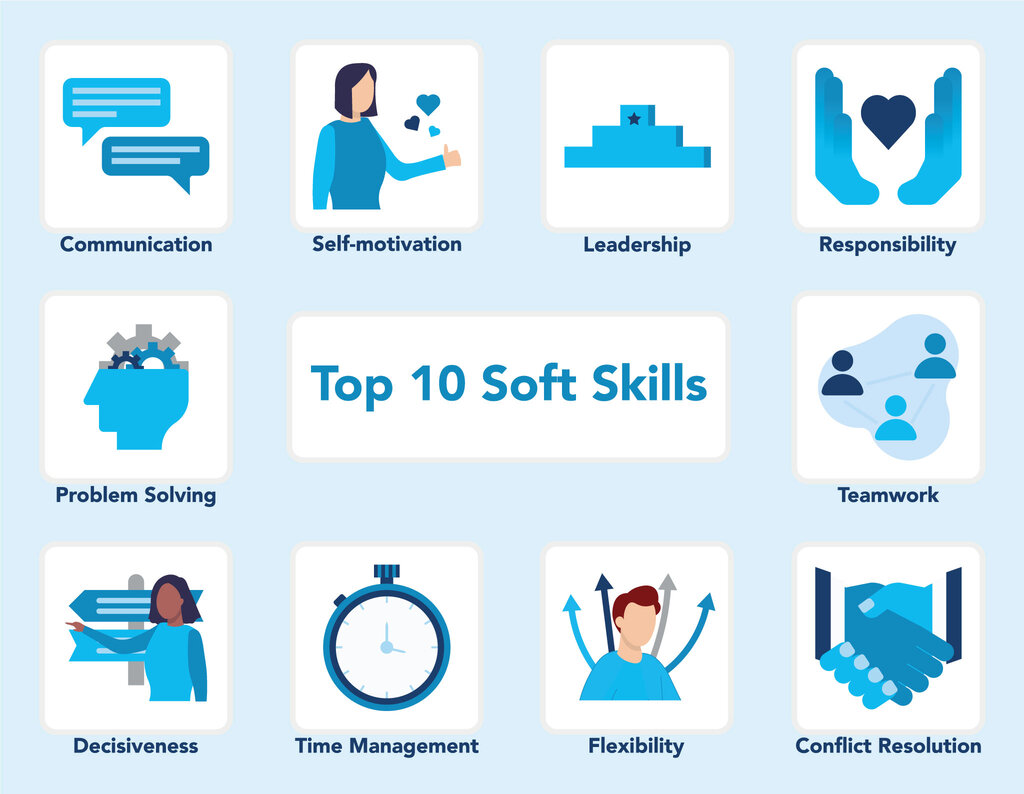
When you evaluate the ROI of an educational path, it's important to consider this whole picture. A higher salary is great, but so is doing work you love, surrounded by people who inspire you. The best investments often pay off in multiple ways.
While ROI is a critical consideration, it shouldn’t be the only factor guiding your choice.
Time is a Key Ingredient
When you get that return matters. A 30% return in one year is fantastic. A 30% return over 30 years is less impressive. This introduces the concept of the time value of money: a dollar today is worth more than a dollar tomorrow.
Why? Because a dollar you have today can be invested and start earning returns immediately. This is why quick returns are often more valuable. An educational program that costs less and gets you into the workforce sooner might have a higher effective ROI than a longer, more expensive one, even if the latter leads to a slightly higher salary down the line.
Consider the payback period: How long does it take for the financial gains to cover the initial cost of your investment? A shorter payback period means you start profiting from your investment sooner.
For example, if a $15,000 bootcamp leads to a $30,000 salary increase, you'll recoup your investment in just six months of work. A four-year degree might cost $80,000 and lead to a $40,000 salary bump. It would take two years of that extra income to break even.
Both paths can be great investments. But factoring in the time it takes to see a return gives you a more complete picture for making your decision.
Now, let's test your understanding of these core ideas.
Imagine you buy a stock for 2,500. What is the Return on Investment (ROI)?
Which of the following is the correct formula for calculating ROI?
Understanding ROI is the first step toward making informed decisions about your future. By looking at the costs, the full range of benefits, and the time it takes to see a return, you can better compare your options and choose the path that’s right for you.