College Degree vs Bootcamp ROI
Understanding ROI
What is Return on Investment?
Think about any purchase you make to save money in the long run, like buying a coffee maker instead of a daily latte. You spend money upfront, but over time, you save more than you spent. That's the basic idea behind Return on Investment, or ROI. It's a simple way to measure how much you gain from an investment compared to its cost.
In education, the "investment" is the money and time you spend on a program, degree, or certificate. The "return" is the extra income you earn over your career because of that education. A positive ROI means your educational choice paid for itself and then some.
Why ROI Matters for Education
Choosing an educational path is one of the most significant financial decisions you'll ever make. It involves not just tuition and fees, but also the time you commit—time you could be spending working and earning money. Viewing this decision as an investment helps clarify your choices.
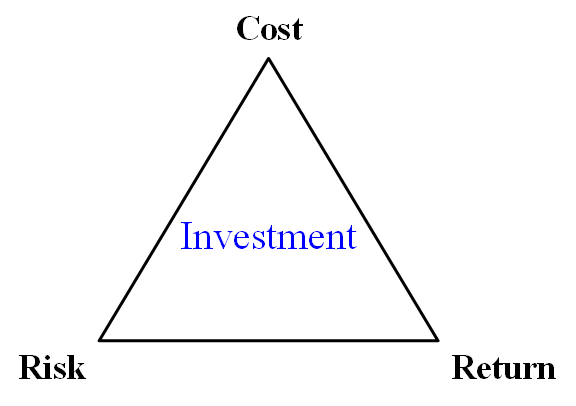
Calculating the potential ROI forces you to look beyond the brochure and think critically about the financial outcomes. Will this program lead to a career with strong earning potential? How long will it take to pay back the costs of your education? Answering these questions helps you set realistic expectations and avoid taking on unmanageable debt.
To think about your return on investment, you want to look at what you spend - the cost of tuition, room, board, and more, and then compare it to what you have the potential to earn.
Of course, money isn't everything. Personal interests, passion, and career satisfaction are incredibly important. But understanding the financial side of your decision empowers you to choose a path that aligns with both your passions and your financial goals.
The Basic ROI Formula
At its core, the ROI calculation is a straightforward formula that expresses your net profit as a percentage of your initial investment.
Let's break down what each part means in the context of education:
- Cost of Investment: This is the total amount you spend to get the education. It includes tuition, fees, books, and supplies. It also includes the opportunity cost, which is the salary you give up by being in school instead of working.
- Net Profit: This is the financial gain directly resulting from your education. You can estimate this by looking at the difference between your expected post-graduation salary and the salary you would have earned without the degree, tracked over a specific number of years.
Imagine a one-year certificate program costs 💲20,000 in tuition and lost wages. After graduating, you earn 💲10,000 more per year than you would have without it. Over ten years, your total gain is 💲100,000.
Plugging those numbers into the formula gives us the ROI for that ten-year period.
This simple calculation provides a powerful metric. It helps you compare different options on a level playing field, turning a complex decision into a clearer financial picture.