College Degree vs. Bootcamp ROI
Understanding ROI
What Is Return on Investment?
Return on Investment, or ROI, is a straightforward way to measure how profitable an investment is. It compares the amount you gained from an investment to the amount you put in. Think of it as a performance score for your money.
Investment
noun
The action or process of investing money for profit or material result.
A positive ROI means your investment made money, while a negative ROI means it lost money. This simple percentage helps you compare the efficiency of different investments. The basic formula looks like this:
To use this formula, you first need to find the Net Profit. That’s simply the final value of your investment minus its original cost.
Let’s walk through a quick example. Imagine you buy a rare trading card for $50. A year later, you sell it to another collector for $70.
First, calculate the net profit: 💲70 (Final Value) - 💲50 (Cost) = 💲20 (Net Profit).
Now, plug that into the ROI formula:
Your return on investment for the trading card was 40%.

Making Sense of the Number
The ROI percentage gives you a clear picture of an investment's success.
- Positive ROI (> 0%): The investment was profitable. You earned back more than you spent.
- Negative ROI (< 0%): The investment lost money. You earned back less than you spent.
- Zero ROI (= 0%): You broke even. You got back exactly what you put in.
This makes it easy to compare different opportunities. An investment with a 15% ROI is performing better than one with a 5% ROI over the same period.
What ROI Doesn't Tell You
While ROI is useful, it has limitations. It's a simple tool that doesn’t capture the full story. Two key factors it overlooks are time and risk.
For example, a 50% ROI sounds amazing. But if it took 20 years to achieve, it's less impressive than a 10% ROI earned in just one year.
ROI also ignores risk. Some investments offer a chance at a very high ROI but also come with a high probability of losing all your money. Others might offer a lower, more dependable return. The formula doesn't distinguish between a risky bet and a safe investment.
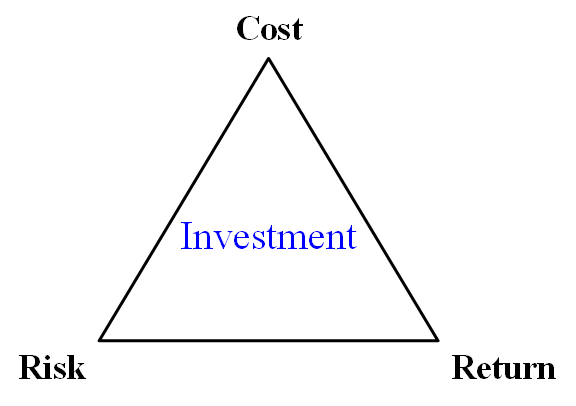
Because of these limitations, it's wise to use ROI as one of several tools for evaluating an investment, not the only one.
What is the primary purpose of calculating Return on Investment (ROI)?
You buy a vintage comic book for 180. What is your ROI?
ROI is a powerful, simple metric for a first-pass analysis of any investment. By understanding how to calculate and interpret it, you have a solid foundation for making smarter financial decisions.