Cold Outreach for Non-Traditional Career Opportunities
Narrative Reframing
Your Career Isn't Random, It's a Story
When you have a non-linear career path, it's easy to feel like your experience is a random collection of jobs. A year in customer service, a stint in marketing, a few months helping at a startup. How do you connect these dots for a recruiter in a completely new industry? The key isn't to list your duties, but to reframe your journey into a compelling narrative.
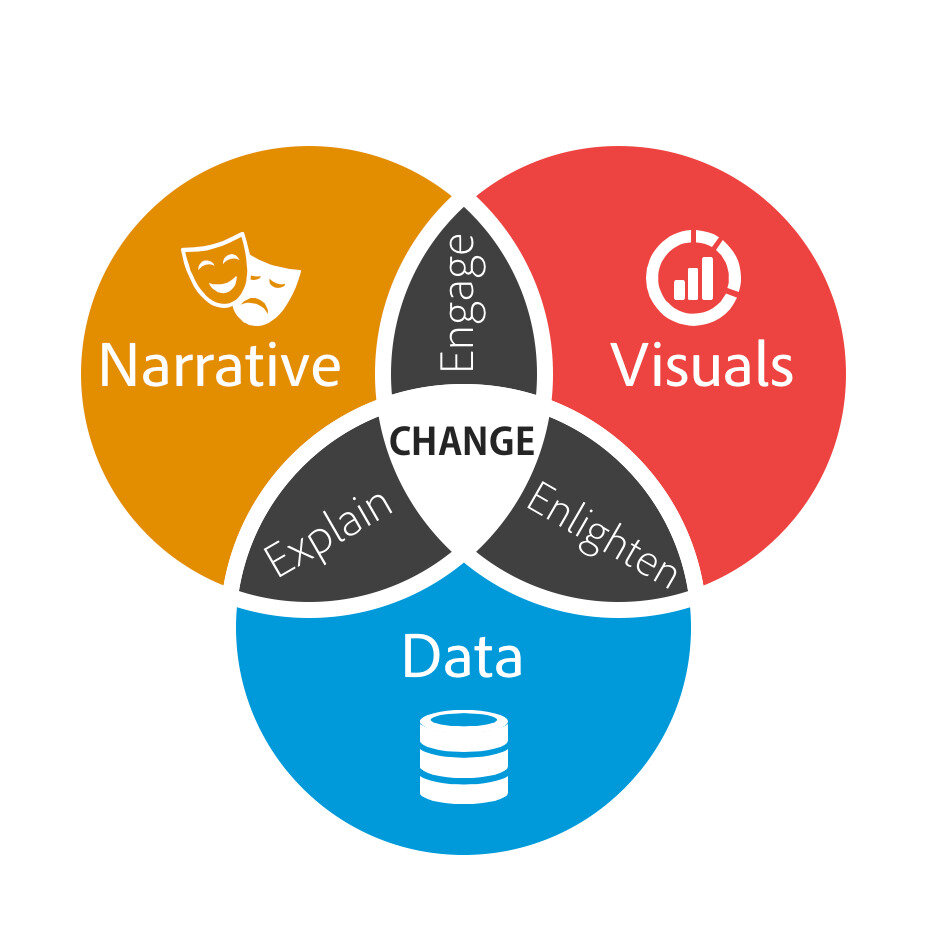
Your professional narrative is the story that ties together all the elements of your portfolio; it’s what makes you memorable amidst the sea of competition.
This process isn't about inventing experience. It's about finding the hidden value in what you've already done and presenting it as a logical step toward your future goals. Your one year of experience isn't a weakness; it's the first chapter of your professional story, giving you a fresh perspective that others lack.
Find Your Portable Achievements
The first step is to stop thinking about your past roles in terms of job descriptions. A job description lists duties. You need to focus on achievements. An achievement is a specific, positive outcome that you created. These are your portable achievements—accomplishments that hold value in any industry.
To find them, ask yourself these questions for each past role:
- What problems did I solve?
- What processes did I improve?
- How did I make things more efficient, cheaper, or faster?
- What positive feedback did I receive from a manager or customer?
Don't just say, "Answered customer emails." Instead, quantify the impact: "Resolved an average of 50 customer inquiries per day, maintaining a 95% satisfaction rating." The first is a duty; the second is an achievement.
| From Duty to Achievement |
|---|
| Duty: Managed the company's social media accounts. |
| Achievement: Grew Instagram followers by 20% in three months by creating a new content series on user-generated stories. |
| Duty: Was responsible for stocking store shelves. |
| Achievement: Redesigned the stockroom layout, cutting restocking time by 15% and reducing product search errors. |
These achievements demonstrate skills like problem-solving, strategic thinking, and efficiency—qualities valuable everywhere.
Translate Your Skills
Once you have a list of portable achievements, you need to translate them into the language of your target industry. Every field has its own vocabulary. A "customer" in retail might be a "user" in tech or a "client" in a creative agency.
Start by analyzing job descriptions for roles you want. Look for recurring keywords and required skills. Do they ask for "project management"? Your experience organizing a multi-department event qualifies. Do they want "data analysis"? Your work tracking sales figures in a spreadsheet counts. You must connect your past actions to their desired skills explicitly.
Let’s say you were a barista and want to move into project coordination. A hiring manager in tech won't immediately see the connection. It's your job to build that bridge for them. Think about the underlying skills.
- Your Experience: Juggling multiple complex coffee orders during the morning rush.
- The Skill: Prioritizing tasks under pressure and managing a workflow with time-sensitive dependencies.
- Translated for Tech: "Experienced in managing multiple concurrent tasks in a fast-paced environment, ensuring timely delivery and quality for each stakeholder (customer)."
This reframing shows you already have the core competencies, just in a different context. You're not starting from scratch; you're applying a proven skill set to new challenges.
Build Your New Industry Persona
Your resume and cover letter are only part of the story. To make your career pivot believable, you need to build a persona that aligns with your new industry. This means presenting yourself as an emerging professional in that field, not just someone trying to escape their old one.
Start with your online presence. Update your LinkedIn headline to reflect the job you want, not the one you have. For example, change "Barista at Coffee House" to "Aspiring Project Coordinator | Passionate about Process Optimization & Team Collaboration."
Follow companies and influencers in your target field. Engage with their posts. This shows genuine interest and helps you learn the industry's language and current trends. Your digital footprint should tell the same story as your resume: you are moving toward a specific future with intention.
Craft a narrative that explains your pivot as a logical progression. For example: "My experience in customer service revealed my passion for solving complex problems and improving systems. I am now seeking to apply my skills in a project coordination role where I can help teams work more effectively to deliver outstanding results."
This narrative becomes the central theme of your cover letter, your interview answers, and your networking conversations. It provides the 'why' behind your career change, making it feel deliberate and thoughtful rather than abrupt or random. By controlling the story, you shape how others perceive your professional journey.
When presenting a non-linear career path to a recruiter, the primary focus should be on...
Which of the following is an example of a 'portable achievement' rather than a 'duty'?