Colchicine in Dermatologic Practice
Tubulin and Neutrophil Dynamics
The Cytoskeletal Target
Colchicine's efficacy in neutrophilic dermatoses hinges on its precise interaction with the cytoskeleton. The drug's primary target is tubulin, the protein subunit that polymerizes to form microtubules. Colchicine binds to soluble, unpolymerized α- and β-tubulin dimers, creating a stable colchicine-tubulin complex.
This complex then acts like a cap at the growing plus-ends of microtubules. By binding with high affinity to this end, it physically obstructs the addition of new tubulin dimers. This action doesn't typically cause rapid depolymerization of existing microtubules at therapeutic concentrations, but it effectively halts the dynamic instability—the constant assembly and disassembly—that is crucial for cellular function. The microtubule network, essential for maintaining cell shape, organelle transport, and motility, is functionally frozen.
Paralyzing Neutrophil Function
For neutrophils, a cell type defined by rapid motility, this microtubule arrest is catastrophic. Chemotaxis—the directed migration of neutrophils toward inflammatory stimuli—is entirely dependent on a dynamic cytoskeleton. Without the ability to rapidly assemble and disassemble microtubules, neutrophils lose their polarity and cannot extend the pseudopods necessary for movement. They are effectively stopped in their tracks, unable to traffic from the vasculature to the tissue.
This inhibition extends to the molecular machinery of adhesion. The expression and surface presentation of adhesion molecules, particularly and E-selectin ligands, are impaired. Colchicine-induced disruption of microtubules interferes with the transport of vesicles containing these selectins to the cell membrane. This reduces the initial tethering and rolling of neutrophils along the endothelium, a prerequisite for extravasation. The result is a profound decrease in neutrophil recruitment to inflammatory sites in the skin.
By disrupting the microtubule network, colchicine cripples a neutrophil's ability to move, adhere to blood vessel walls, and migrate into tissue.
Modulating the Inflammasome
Beyond its effects on motility, colchicine directly modulates intracellular inflammatory signaling. One of its most significant actions is the attenuation of the NLRP3 inflammasome assembly. The assembly of this multi-protein complex, a key driver of inflammation in many dermatoses, is a microtubule-dependent process. It requires the transport of mitochondria and other components along the microtubule network to a perinuclear location.
By disrupting this microtubule-based transport system, colchicine prevents the spatial organization required for NLRP3 activation. This directly inhibits the enzymatic activity of caspase-1, which in turn blocks the cleavage and maturation of pro-inflammatory cytokines pro-IL-1β and pro-IL-18 into their active forms. The downstream effect is a marked reduction in the potent inflammatory cascade driven by IL-1β.
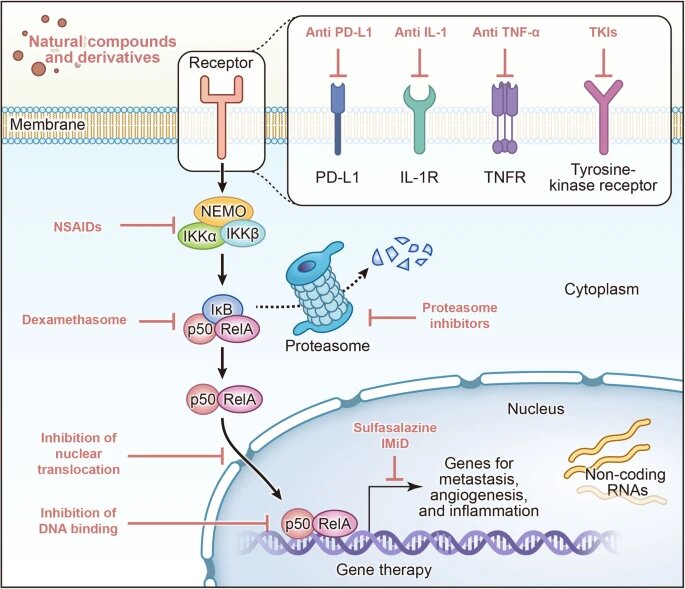
Additionally, colchicine influences other signaling pathways. It has been shown to decrease the expression of TNF-alpha receptors on the cell surface, making neutrophils less responsive to this key cytokine. It also interferes with the activation of , a master transcriptional regulator of inflammatory genes. This multi-pronged attack on signaling pathways complements its primary anti-motility effects, providing a comprehensive blockade of neutrophil-mediated inflammation.
Although colchicine's anti-inflammatory mechanism of action is not fully understood, it appears that this substance interferes with several signals in the biochemical cascades of the inflammatory process.
This combination of inhibited migration and suppressed cytokine signaling explains colchicine's unique value in treating neutrophil-rich skin diseases. The drug doesn't just treat the symptoms; it targets the fundamental cellular machinery that drives the pathology.