Cognitive Optimization Through Travel
Neuroplasticity and Immersion
The Brain Remapped by Travel
Travel to culturally distant environments serves as a powerful form of environmental enrichment. The constant influx of novel stimuli—unfamiliar languages, social norms, and sensory inputs—drives a significant upregulation of neurotrophic factors, most notably Brain-Derived Neurotrophic Factor (BDNF). This protein is crucial for neuronal survival, differentiation, and the potentiation of synaptic connections, underpinning the structural changes associated with learning and memory. Exposure to complex and challenging settings pushes the brain to adapt, fostering the growth of new neural pathways.
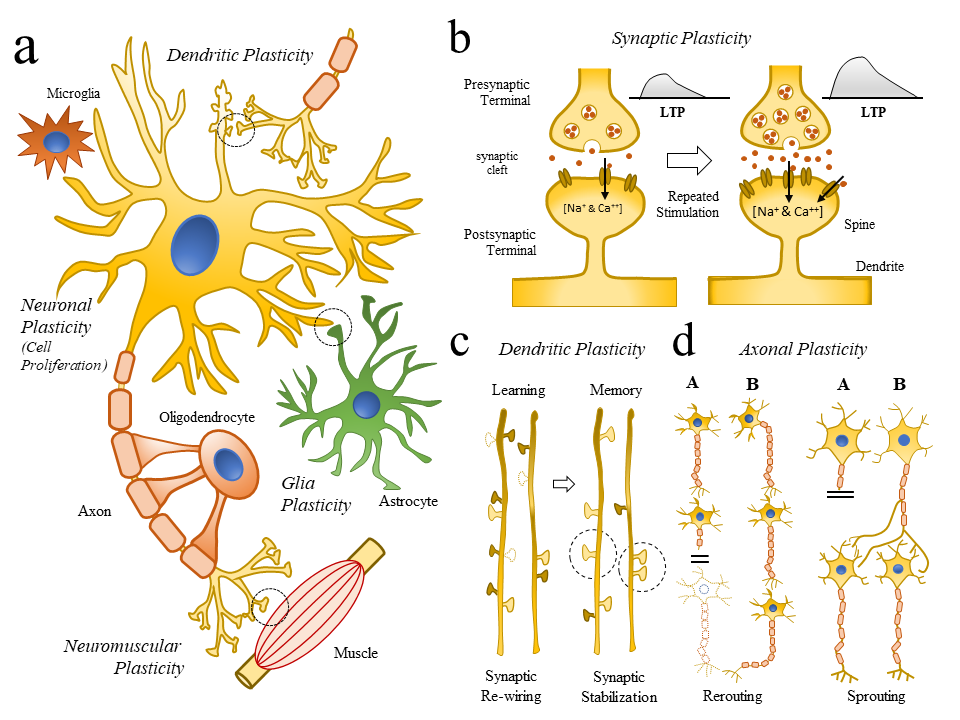
This process isn't just about general brain health; it's a targeted response. The demand for new learning and adaptation directly fuels neurogenesis and synaptogenesis, particularly in regions critical for cognitive flexibility and memory consolidation. The brain isn't just seeing new things; it's actively remodelling itself in response to them.
Navigating New Realities
When we navigate an unfamiliar city, our hippocampus is intensely activated. This brain region is central to spatial memory and the creation of cognitive maps. Every new street corner and landmark requires the hippocampus to encode new spatial relationships, strengthening its function. This is a real-world application of the principles observed in studies of London taxi drivers, whose posterior hippocampi are enlarged from the demands of memorising the city's complex layout. For the traveller, each new destination is a new 'Knowledge' to be learned.
Simultaneously, the prefrontal cortex (PFC) works to integrate new cultural rules and suppress old, automatic behaviours. The PFC is the seat of executive functions, including cognitive flexibility, planning, and decision-making. When you learn to queue differently, use unfamiliar currency, or adapt to a new pace of life, your PFC is actively engaged. It helps you inhibit ingrained habits and update your internal model of how the world works, a mentally demanding but highly neuroplastic process.
Breaking the Cycle
Our brains often operate on autopilot, cycling through familiar thoughts and routines. This is the work of the (DMN), a collection of brain regions that is most active when we are at rest, mind-wandering, or thinking about ourselves. While crucial for self-reflection and planning, an overactive DMN is linked to rumination and rigid thinking patterns.
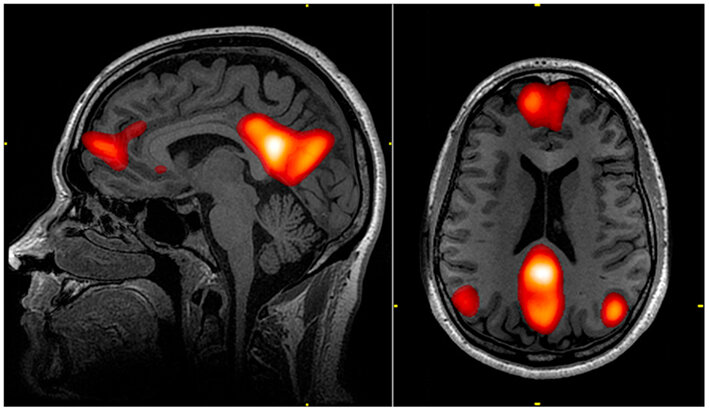
Immersive travel disrupts the DMN's dominance. Navigating a foreign environment demands intense, present-moment awareness. You have to focus on the external world to find your way, order food, or cross the street safely. This constant external focus effectively suppresses DMN activity, pulling you out of your self-referential thought cycles. This 'defocusing' allows for more creative, non-linear processing, creating mental space for new insights and perspectives to emerge.
By interrupting automatic thought patterns, travel forces the brain to engage with the world in a more direct and less filtered way.
This combination of environmental enrichment, hippocampal and prefrontal engagement, and DMN disruption forms the neurobiological basis for the transformative potential of travel. The brain is not a static organ; it is a dynamic system that constantly adapts to its environment. High-distance travel provides a uniquely potent catalyst for this adaptive process, fostering resilience and expanding our cognitive and emotional horizons.
What key protein, crucial for neuronal survival and the strengthening of synaptic connections, is significantly increased by the novel stimuli of travel?
Navigating a new city and creating mental maps of its layout primarily activates which brain region?