Cognitive Optimization Decoded
Triggering Plasticity Mechanisms
Opening the Plasticity Window
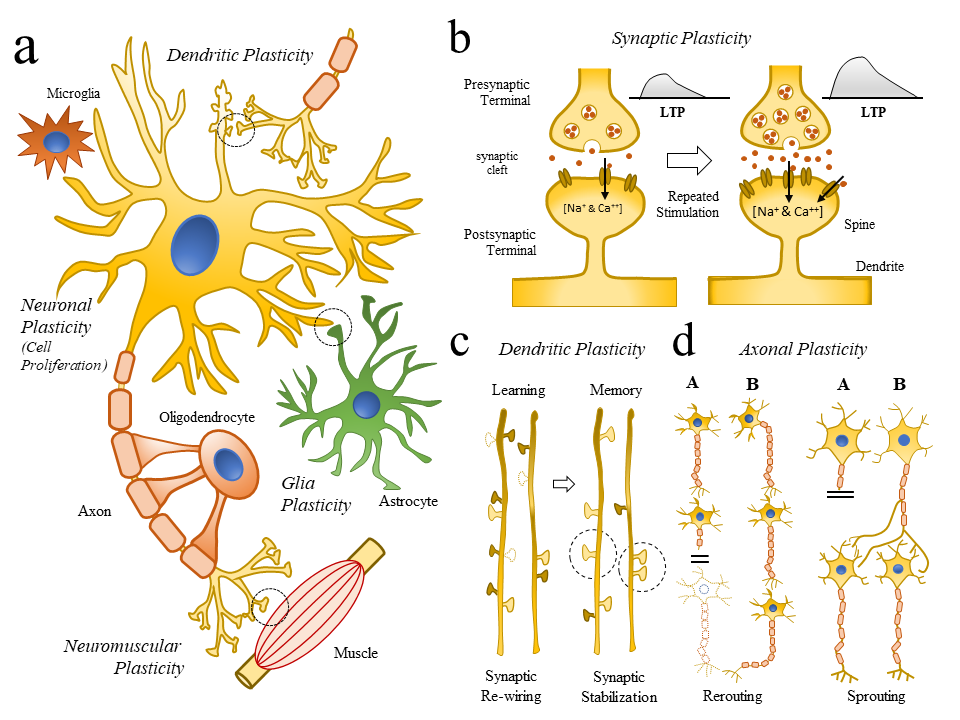
The adult brain isn't always open to change. To rewire neural circuits, you first need to open a 'plasticity window.' This requires sending specific chemical signals that tell your brain it's time to pay attention and adapt. Think of it like unlocking a door before you can rearrange the furniture.
Two key neurochemicals act as the gatekeepers for this process: epinephrine, which provides the alert state necessary for change, and acetylcholine, which pinpoints the exact circuits that need remodeling.
Epinephrine: The Go Signal
Plasticity doesn't happen when you're relaxed or drowsy. It requires alertness. The brain needs a clear signal that something important is happening and that it should allocate resources to learning. This signal is delivered by epinephrine, also known as adrenaline.
When epinephrine levels rise, your brain and body enter a state of heightened readiness. Your focus sharpens and your attention narrows. This state of alertness is the non-negotiable first step for neuroplasticity. It’s the brain's way of saying, "Pay attention. This matters."
You can intentionally trigger this state. A simple yet powerful technique is to take 25 to 30 deep, rapid breaths. This practice, a form of cyclic hyperventilation, increases autonomic arousal and leads to a natural spike in epinephrine. It's a quick way to generate the level of alertness needed to prime your brain for learning.
Protocol: Before a learning session, sit or lie down and take 25-30 deep breaths, inhaling through your nose and exhaling through your mouth. Perform the cycle quickly but without straining. Afterward, you should feel a distinct sense of heightened alertness.
Acetylcholine: The Highlighter
Once epinephrine has made your brain alert, you need to direct its attention. This is where acetylcholine comes in. When you focus intensely on a specific task, like practicing a guitar chord or solving a math problem, neurons in your brain release acetylcholine at the specific synapses that are active.
Acetylcholine acts like a chemical highlighter. It marks the precise connections involved in the task you're performing, signaling to the brain, "These are the pathways that need to be strengthened." This ensures that plasticity is not a random, system-wide event, but a targeted, efficient process. The more you focus, the more acetylcholine is released, and the stronger the tag for change becomes.
Dopamine and the Ultradian Cycle
While epinephrine and acetylcholine open the door for plasticity, dopamine helps reinforce the changes. Dopamine is released when you perceive that you are on the right track or when you achieve a goal. It acts as a reward signal that strengthens the newly marked connections. This happens when you recognize you've made a mistake and correct it, or when you finally solve a problem correctly. This error-and-reward feedback is crucial for cementing new skills.
To make the most of these chemical states, it's helpful to work with your brain's natural rhythms. Our brains operate on ultradian cycles, which are recurring periods of about 90 minutes. Throughout the day, we cycle between periods of high focus and periods where our minds naturally wander. Structuring your deep learning sessions to align with these 90-minute blocks allows you to fully engage the epinephrine-acetylcholine-dopamine sequence without burning out.
A typical deep learning bout would involve: spiking alertness with breathing, engaging in 90 minutes of intense focus on one skill, and leveraging the small dopamine hits from making progress and correcting errors.
Now, let's test your understanding of these plasticity triggers.
What is the very first step required to open a 'plasticity window' and enable the brain to change?
Which neurochemical acts like a 'highlighter,' marking the specific circuits that need to be remodeled during a focused task?
By understanding and intentionally manipulating these neurochemical systems, you can take direct control over your brain's ability to learn and adapt.