Cognitive Biases for Product Designers
Introduction to Cognitive Biases
Your Brain's Shortcuts
Your brain makes thousands of decisions every day. From choosing what to wear to navigating traffic, most of these choices happen automatically. To manage this workload, your brain creates mental shortcuts, or rules of thumb, to speed things up. It relies on past experiences and patterns to make good-enough decisions quickly, without having to analyze every single detail from scratch.
These shortcuts are incredibly useful. They save mental energy and allow us to act fast. But sometimes, these shortcuts lead to errors in judgment. They can cause us to misinterpret information, make illogical choices, and see the world in a skewed way. These systematic patterns of error are called cognitive biases.
Cognitive Bias
noun
A systematic pattern of deviation from norm or rationality in judgment, leading to perceptual distortion, inaccurate judgment, illogical interpretation, or what is broadly called irrationality.
A bias isn't necessarily a flaw. It's a feature of how our brains evolved to handle a complex world with limited information and time. Think of it as your brain's operating system running in the background, trying to be as efficient as possible.
How Biases Shape Our Choices
Cognitive biases quietly influence our lives every day. They affect what we buy, who we trust, and how we feel about our decisions. For example, you might stick with the default settings on a new app simply because it's the easiest option, not because it's the best one for you. Or you might give more weight to the first piece of information you heard about a topic, letting it anchor your opinion.
These mental shortcuts operate automatically, often without our awareness. Psychologists sometimes describe this as two systems of thinking: a fast, intuitive system where biases live, and a slow, deliberate system for careful analysis.
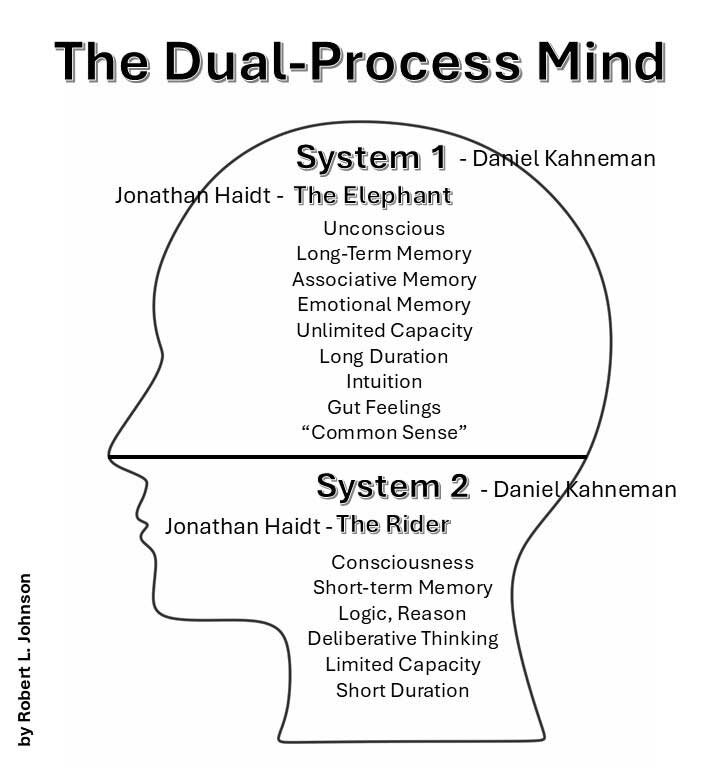
Most of the time, we're running on the fast system. It’s efficient but prone to these predictable errors. The slow system can override these biases, but it takes conscious effort and energy, so we don't use it for every little choice.
Designing for Real People
Understanding cognitive biases is essential for anyone creating a product or service. If you're designing an app, a website, or even a physical object, you're designing for human brains—shortcuts and all. Acknowledging how people actually think and make decisions allows you to create experiences that are more intuitive, helpful, and effective.
When designers ignore these natural tendencies, users can get frustrated. A confusing layout or an overwhelming number of choices forces people to switch to their slow, effortful thinking, which makes the product feel difficult to use. On the other hand, a design that works with these mental shortcuts feels effortless.
Great design doesn't fight human nature; it works with it. By understanding cognitive biases, designers can create products that feel natural and easy to use.
For example, presenting a recommended option or breaking a complex process into small, simple steps helps users make decisions without feeling overwhelmed. This isn't about tricking people. It's about reducing friction and guiding them toward their goals in a way that aligns with their natural thought processes.
By understanding the underlying patterns of bias and user perceptions, designers can work toward creating effective, trustworthy AI systems capable of meeting their users’ needs while promoting and preserving positive societal values such as fairness and justice.
Now, let's check your understanding of these core concepts.
What is the primary reason the human brain develops mental shortcuts?
Cognitive biases are described as a 'flaw' in our brain's operating system.
By keeping these mental shortcuts in mind, you can better understand both your own behavior and how to design more effective, user-friendly products.