Cognitive Behavioral Tools for Stress and Burnout
Understanding Stress
What is Stress?
Stress is your body's natural response to any demand or threat. Think of it as a built-in alarm system. When you face a challenge, like slamming on the brakes to avoid an accident or giving a big presentation, your body's alarm goes off. It's a normal, and often helpful, reaction. But not all stress is the same.
The key difference lies in how long the alarm stays on.
There are two main types of stress: acute and chronic.
Acute stress is the short-term, in-the-moment variety. It’s the jolt you feel when you almost trip on the stairs. Your heart pounds, your breathing quickens, and you're suddenly very alert. This is your body’s “fight-or-flight” response kicking in. Once the threat passes, your body returns to normal. This type of stress can even be beneficial, giving you the focus and energy to meet a deadline.
Chronic stress, on the other hand, is long-term. It happens when the alarm system never shuts off. This is the stress that comes from situations that feel endless, like a high-pressure job with an unmanageable workload, ongoing financial trouble, or a difficult relationship. Your body stays in a state of high alert for weeks, months, or even years.
The Body's Alarm System
When you encounter a stressor, your brain’s hypothalamus sets off a chemical cascade. It signals your adrenal glands to release hormones, primarily adrenaline and cortisol. This is a powerful and ancient survival mechanism.
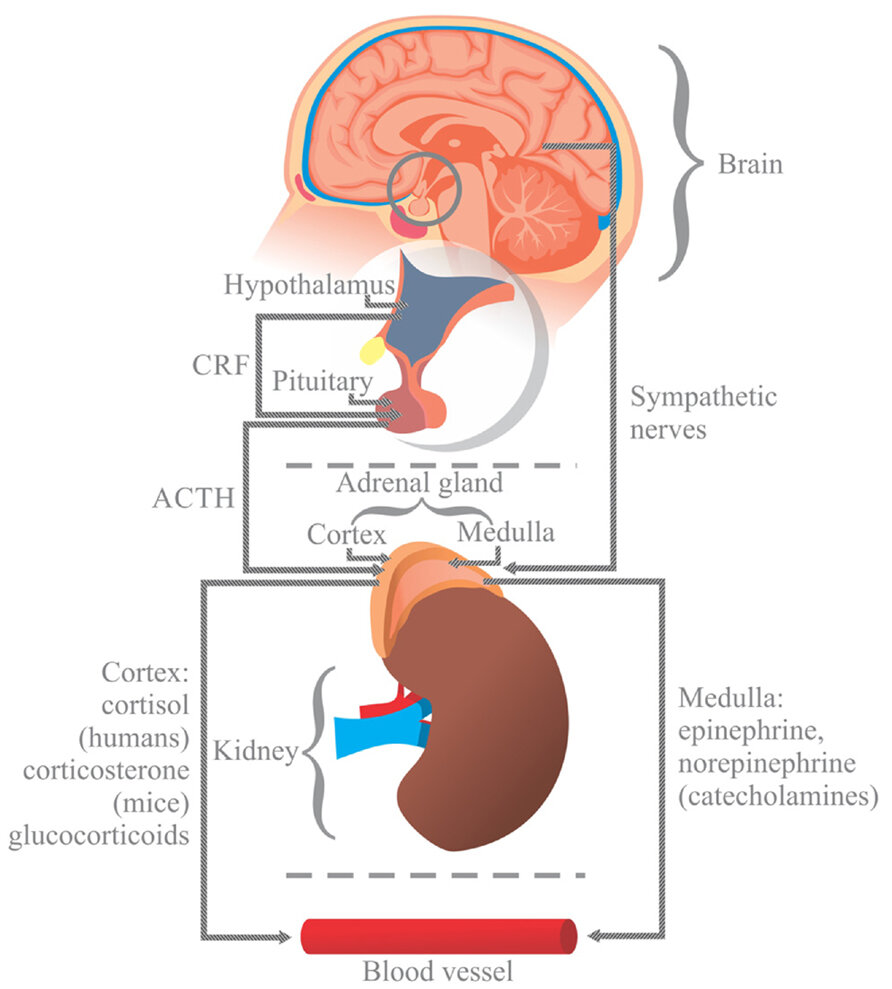
Adrenaline increases your heart rate and blood pressure, getting you ready for immediate action. Cortisol, the primary stress hormone, boosts the sugar in your bloodstream to give your brain more fuel and increases the availability of substances that repair tissues. It also dials down functions that would be nonessential in a fight-or-flight situation, like your immune and digestive systems.
In a short-term crisis, this system is brilliant. But when it's activated day after day, it starts to cause damage. Psychologically, this constant state of high alert can lead to anxiety, irritability, and difficulty concentrating. Your mind is so busy scanning for threats that it struggles to focus on anything else.
Chronic exposure to stress, from workplace pressures to personal challenges, can persistently elevate cortisol levels, disrupting the body's most basic functions and leading to long-term health consequences.
From Stress to Burnout
The workplace is a common source of chronic stress. While some pressure is normal, certain factors consistently push people toward exhaustion.
Common workplace stressors include:
- Unmanageable Workload: Feeling constantly behind with no hope of catching up.
- Lack of Control: Having little say in decisions that affect your job, schedule, or tasks.
- Unclear Expectations: Not knowing what is expected of you or what your responsibilities are.
- Poor Social Support: Feeling isolated, or working in a team that lacks trust and cooperation.
- Unfair Treatment: Experiencing favoritism, discrimination, or bullying.
- Values Mismatch: Feeling a disconnect between your personal values and the company's mission or practices.
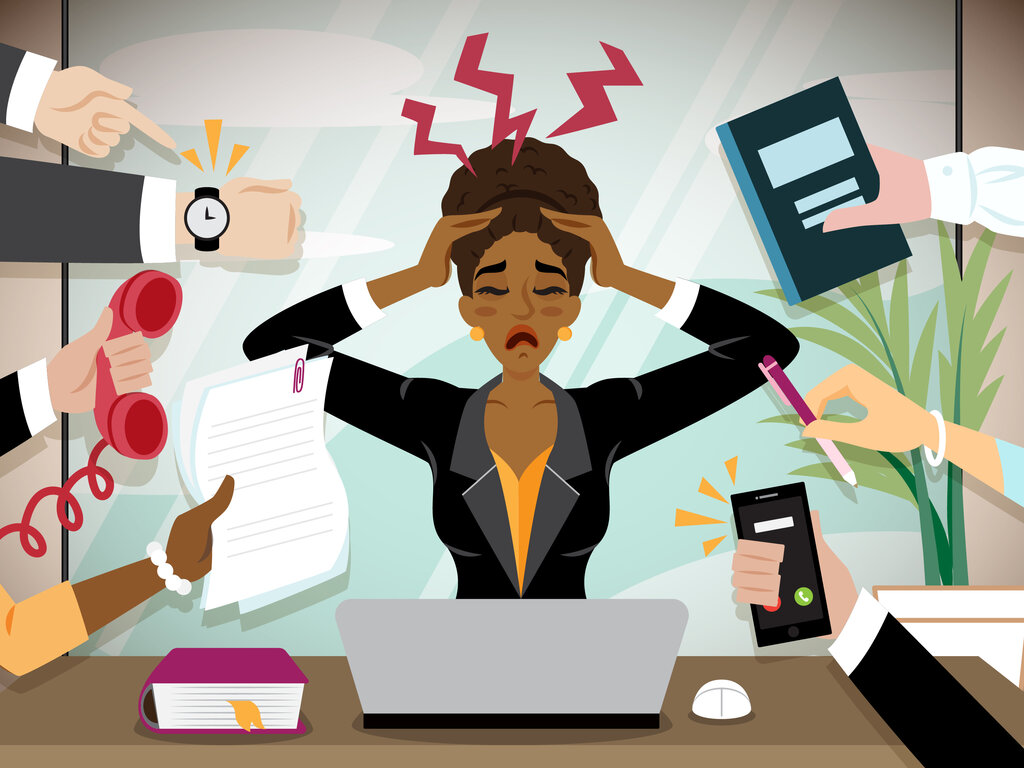
When chronic stress goes unaddressed, it can lead to burnout. Burnout isn't just having a bad day or feeling tired; it's a state of emotional, physical, and mental exhaustion caused by prolonged stress. It's the feeling of being completely depleted.
burnout
noun
A state of emotional, physical, and mental exhaustion caused by excessive and prolonged stress. It occurs when you feel overwhelmed, emotionally drained, and unable to meet constant demands.
Recognizing the signs is the first step. The symptoms of chronic stress and burnout often overlap and can manifest in several ways.
| Category | Signs and Symptoms |
|---|---|
| Emotional | Feeling cynical or detached from your work, a sense of failure and self-doubt, increased irritability, feeling helpless or defeated. |
| Physical | Frequent headaches or muscle pain, changes in appetite or sleep habits, feeling tired and drained most of the time, lowered immunity. |
| Behavioral | Withdrawing from responsibilities, isolating yourself from others, procrastinating, using food, drugs, or alcohol to cope. |
These aren't just signs of needing a vacation. They are signals from your body and mind that the demands placed upon you have exceeded your resources. Acknowledging them is crucial.
Time to check your understanding of stress and burnout.
What is the primary difference between acute and chronic stress?
During the 'fight-or-flight' response, which hormone is primarily responsible for increasing the sugar in your bloodstream and suppressing nonessential functions like the immune system?
Understanding what stress is, how it affects you, and when it's becoming a chronic problem is the foundation for learning how to navigate it effectively.