Coffee Varieties and Processing
Genetic Foundations
The Genetic Blueprint of Coffee
When we talk about coffee, the names Arabica and Robusta come up constantly. While often discussed in terms of flavour, they aren't just different 'types' of coffee; they are distinct botanical species. Within each species, you'll find hundreds of specific —think of them like the different kinds of apples, such as Granny Smith or Honeycrisp. All Granny Smith are apples, but not all apples are Granny Smith. Similarly, Bourbon and Typica are both cultivars of the Arabica species.
The fundamental differences between Coffea arabica and Coffea canephora (commonly known as Robusta) begin at the chromosomal level. It's a simple numbers game: Robusta has 22 chromosomes, while Arabica has 44. This isn't just a trivial fact; it's the genetic foundation for nearly every difference between them, from taste to resilience. Arabica is what's known as an allopolyploid, the result of a natural hybridisation event between two other coffee species. This doubling of genetic material gave it a much larger chemical toolkit to work with.
This expanded genetic library is why Arabica can produce a staggering array of over 800 volatile aromatic compounds. These compounds are the precursors to the nuanced floral, fruity, and sweet notes that specialty coffee is known for. Robusta, with its simpler diploid structure, just doesn't have the same potential for aromatic complexity. But what it lacks in nuance, it makes up for in toughness.
Pollination and Survival
The two species also have fundamentally different reproductive strategies. Arabica is self-pollinating. Its flowers can fertilise themselves, which leads to a high degree of genetic uniformity. This is a major advantage for producers, as it ensures that the desirable traits of a specific cultivar remain consistent from one generation to the next. A batch of Typica beans will have a predictable flavour profile, which is crucial for brand consistency.
However, this genetic similarity is also Arabica's greatest weakness. A lack of diversity means the entire species is more susceptible to diseases like and the effects of climate change. It requires a stable, high-altitude environment with specific rainfall and temperature ranges to thrive.
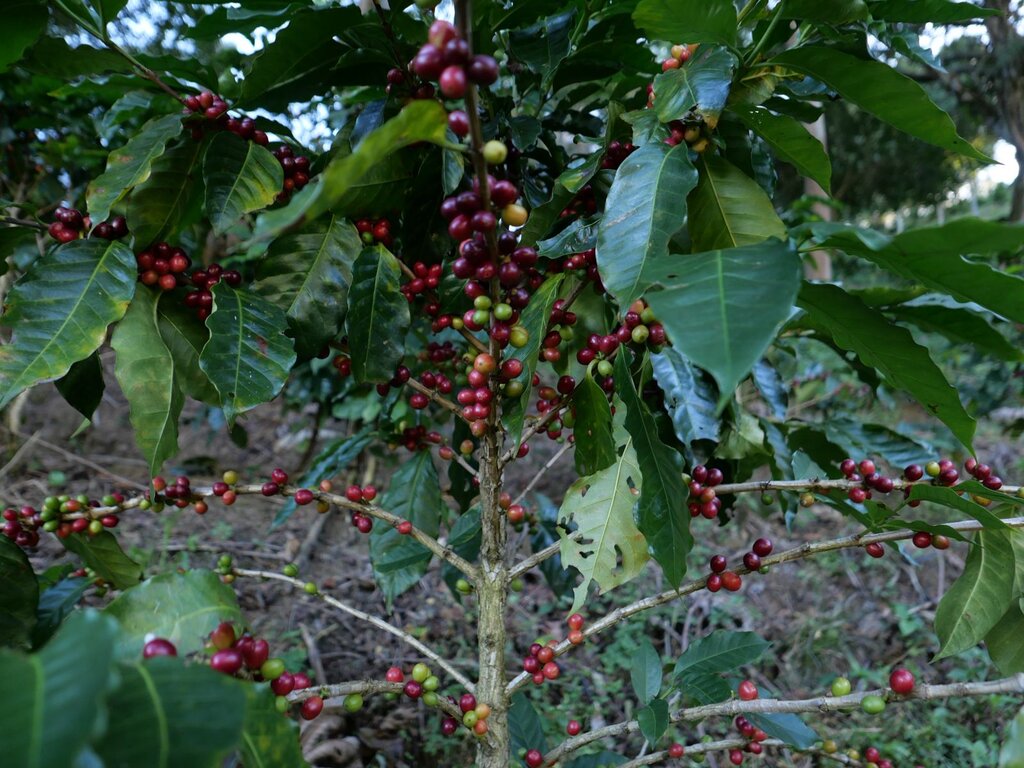
Robusta, on the other hand, is a cross-pollinator. It cannot self-fertilise and relies on insects or wind to carry pollen from one plant to another. This process shuffles the genetic deck with each generation, creating immense diversity within the species. This genetic variability is the key to Robusta's resilience. It can adapt to a wider range of conditions, fight off diseases, and thrive in the hotter, lower-altitude climates where Arabica would perish. The trade-off for this hardiness is a less predictable and generally less delicate flavour profile in the cup.
The Chemical Divide
The genetic differences manifest directly in the chemical composition of the unroasted bean. These chemical precursors are what a roaster later transforms into the flavours we taste.
Caffeine & Chlorogenic Acids (CGAs): Robusta is famous for its punch. Its beans contain between 2.2% and 2.7% caffeine by weight, whereas Arabica beans have a much lower concentration, typically 1.2% to 1.5%. Caffeine acts as a natural insecticide, which is one reason Robusta is so hardy. Both caffeine and the high levels of chlorogenic acids in Robusta contribute to its characteristic bitter, rubbery taste.
For chlorogenic acids, more roasting leads to less of these beneficial phenols, according to a 2013 study that compared coffee blends of various roasting levels.
Lipids & Sugars: Here, Arabica has the clear advantage. Arabica beans contain almost 60% more lipids and nearly twice the concentration of sugars (like sucrose) than Robusta beans. During roasting, these lipids and sugars undergo complex reactions, including the Maillard reaction and caramelisation, which create the rich body and vast spectrum of desirable flavour compounds. The lower sugar content in Robusta is another reason it tends to lack sweetness and complexity.
These genetic and chemical distinctions aren't about one species being 'better' than the other. They represent an evolutionary trade-off. Arabica traded resilience for flavour complexity, while Robusta prioritised survival, resulting in a hardy plant with a bold, intense, and highly caffeinated bean. Understanding this genetic foundation is the first step to appreciating why every coffee tastes the way it does.