Coffee Quality Grading Certification
Introduction to Coffee Quality Evaluation
The Quest for Quality
For much of its history, coffee was just a commodity. Beans were bought and sold in bulk, with little attention paid to where they came from or their specific flavors. But as coffee culture evolved, so did the desire for better, more consistent quality.
Early grading systems were simple, often based on the size of the bean or the number of visible defects. This was a start, but it didn't capture the most important factor: how the coffee actually tasted. As consumers and roasters became more sophisticated, the industry needed a more rigorous and universal way to evaluate coffee. This led to the development of standardized evaluation systems that could be used across the globe, from a small farm in Ethiopia to a cafe in New York.
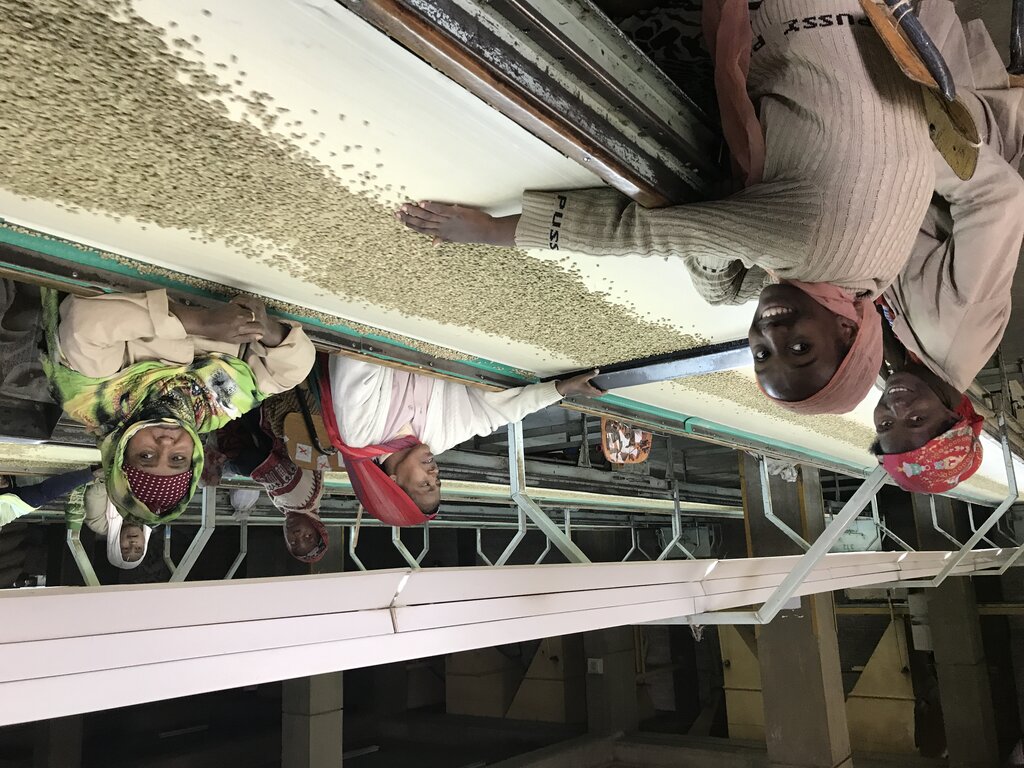
This shift created a shared language for quality, allowing producers to be rewarded for exceptional crops and helping buyers find exactly what they were looking for.
The Coffee Sommelier
In the world of wine, a sommelier is a trusted expert who guides you to the perfect bottle. The coffee industry has its own equivalent: the licensed Q Grader.
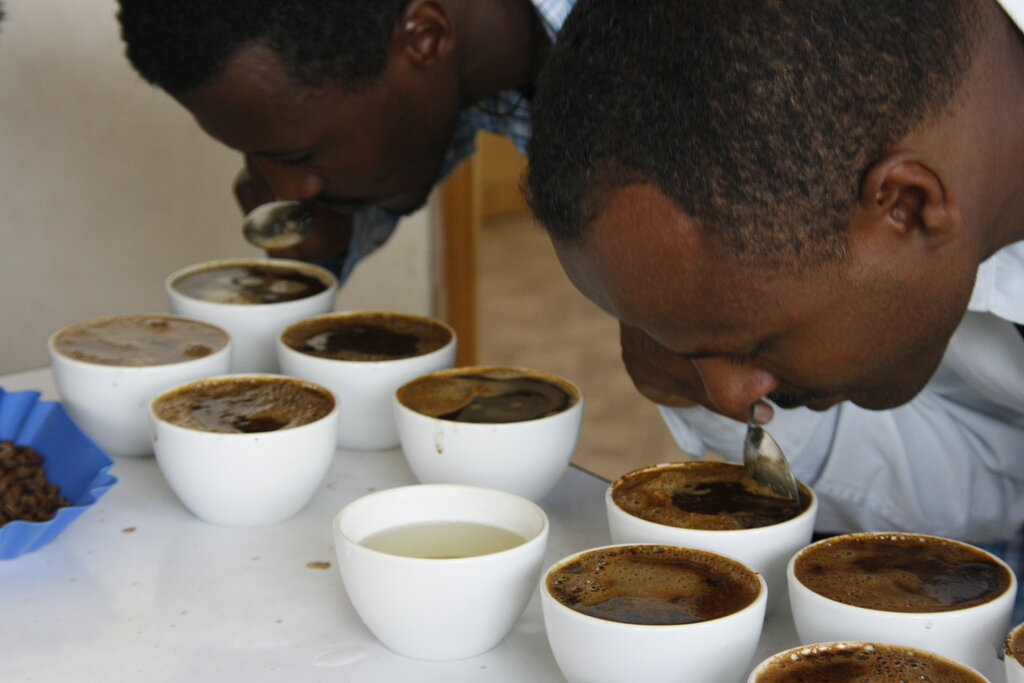
A Q Grader is a highly trained and calibrated professional who can accurately and consistently score coffee quality. Their job is to cup coffees from around the world and evaluate them based on a strict set of protocols. They identify key attributes like aroma, flavor, acidity, body, and balance, assigning numerical scores to each.
These scores are not just subjective opinions. Q Graders must pass a series of rigorous exams to prove their senses are aligned with a global standard. Their work is crucial for the entire coffee chain. They provide valuable feedback to farmers on how to improve their crops, give roasters the information they need to purchase with confidence, and ultimately ensure that the coffee you drink meets a high standard of quality.
The CVA Framework
To ensure everyone is speaking the same language, Q Graders use a comprehensive system called the Coffee Value Assessment (CVA). This framework provides the tools and protocols for evaluating coffee in a standardized way.
The CVA is a multi-step process. It starts long before any water hits the grounds. Graders first perform a physical analysis of the unroasted, or "green," coffee beans. They look for defects, such as insect damage, broken beans, or discoloration. The number and type of defects can have a significant impact on the final score.
After the physical inspection, a sample of the coffee is carefully roasted and then evaluated through a process called cupping. This is where the sensory analysis happens. The final score, out of 100, gives a clear picture of the coffee's quality. A coffee that scores 80 points or higher is considered "specialty grade."
This system creates transparency and trust in the coffee market. A score from a certified Q Grader is a reliable indicator of quality, recognized all over the world.
The CVA framework standardizes how we talk about coffee quality, from the farm to the final cup.
Ready to check your understanding?
What is the coffee industry's equivalent of a wine sommelier, responsible for professionally grading coffee?
What was the primary reason for the coffee industry to move from simple grading systems to a standardized one like the Coffee Value Assessment (CVA)?
Understanding these foundations is the first step toward appreciating the complex journey from bean to brew.