Coffee Polyphenols and Digestion
Introduction to Coffee Polyphenols
The Power of Polyphenols
When you drink a cup of coffee, you're consuming more than just caffeine and water. You're also getting a dose of powerful plant compounds called polyphenols. These are naturally occurring chemicals found in fruits, vegetables, tea, and, of course, coffee. They're responsible for many of the colors, flavors, and aromas we experience in plant-based foods.
At a chemical level, all polyphenols share a common feature: they contain multiple phenol groups. A single phenol group is a six-carbon ring with a hydroxyl group (–OH) attached. When a molecule has more than one of these, it's a polyphenol.
This structure is key to their function. The hydroxyl groups are reactive and can interact with other molecules in your body, which is the basis for their health effects.
Polyphenols in Your Coffee
Coffee is one of the richest sources of polyphenols in the modern diet. The most abundant type in coffee is a class of compounds called chlorogenic acids, or CGAs. These make up the vast majority of the polyphenols found in green, unroasted coffee beans. Caffeic acid and ferulic acid are other notable polyphenols present, though in smaller amounts.
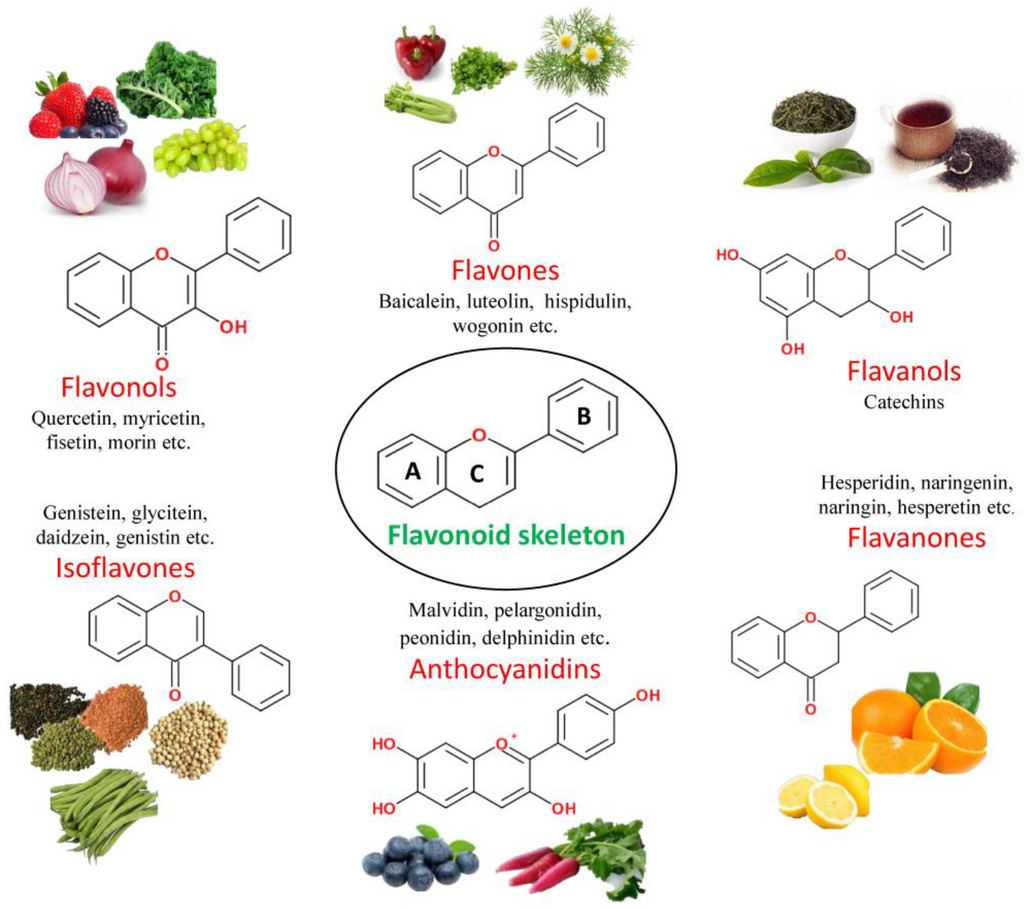
The roasting process changes the polyphenol profile of coffee beans. While roasting develops the rich flavors and aromas we love, it also breaks down some of the chlorogenic acids. However, new beneficial compounds are also formed during this process. This means that both green and roasted coffee offer significant, albeit different, polyphenol content.
From Sip to Cell
Consuming polyphenols is one thing, but your body actually using them is another. The journey from your coffee cup to your cells is complex, and not all polyphenols make it. The proportion of a compound that enters circulation and is able to have an active effect is called its bioavailability.
Bioavailability
noun
The proportion of a substance that enters the circulation when introduced into the body and so is able to have an active effect.
When you drink coffee, the polyphenols travel to your small intestine. Only a small fraction, about 5-10%, of the initial chlorogenic acids are absorbed here. The rest continue to the large intestine, where they encounter the vast community of microbes living there. This is where the real action begins, as these microbes break down the complex polyphenols into smaller, more easily absorbed molecules.
Polyphenols are plant compounds that are mainly digested by gut bacteria and are associated with a variety of benefits including reducing blood pressure, cholesterol and oxidative stress.
Several factors influence how much of these compounds your body can use:
- The Food Matrix: What else are you consuming? Polyphenols can bind with other molecules, like proteins in milk, which can sometimes reduce their bioavailability.
- Your Unique Gut: Everyone's gut microbiome is different. The specific types of bacteria you have will determine how effectively polyphenols are broken down and metabolized.
- Processing: How the coffee is grown, processed, and brewed affects its chemical structure and, therefore, how your body absorbs it.
Understanding how polyphenols are absorbed is the first step. Next, we'll explore how these compounds, once metabolized, interact with the gut microbiota and influence nutrient absorption.
Ready to check your understanding of coffee's chemical building blocks?
What is the defining chemical feature of all polyphenols?
What is the most abundant class of polyphenols found in green, unroasted coffee beans?
Now that you have a foundation in what polyphenols are and how they're absorbed, you're ready to explore their deeper effects on the body.