Coffee Brewing Methods Explored
Coffee Basics
The Anatomy of a Great Cup
Before you master any specific brewing method, you need to understand the building blocks that apply to all of them. Think of these as the universal rules for making better coffee. Get these right, and you're already halfway to a delicious cup.
Every cup we make begins with the Four Fundamentals of Brewing: proper proportion, accurate grind, quality water, and freshness of the coffee.
Let's start with the most important ingredient: the coffee itself. Coffee beans are at their best within a few weeks of their roast date. As time passes, the oils that carry much of the flavor and aroma begin to degrade through a process called oxidation. Using fresh, high-quality beans is the single biggest step you can take toward improving your coffee at home.
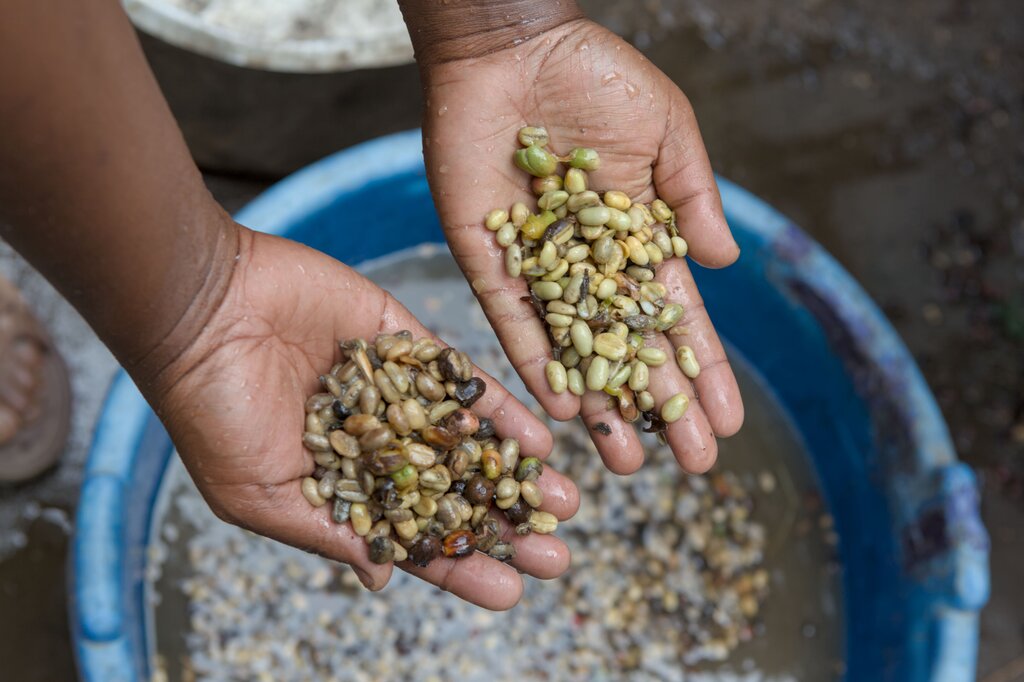
Just as important as freshness is the grind. The moment you grind coffee, you dramatically increase its surface area, exposing all those delicate flavor compounds to the air. Pre-ground coffee, while convenient, loses its aromatic punch much faster than whole beans.
For the best results, grind your beans immediately before you start brewing. This simple habit preserves the volatile oils and gases trapped inside the bean, which are released during brewing to create the complex flavors and aromas we love.
Water and Ratios
Your finished coffee is over 98% water, so the quality of your water matters. Tap water often contains chlorine and other minerals that can add unwanted flavors to your final cup. Using clean, filtered water ensures that the only flavors you taste are from the coffee beans themselves.
Water temperature is also critical for proper extraction. If your water is too hot, it will over-extract the coffee grounds, resulting in a bitter, harsh taste. If it's not hot enough, you'll under-extract them, leading to a cup that tastes sour and weak.
The ideal water temperature for brewing is between 195°F and 205°F (90°C to 96°C). This range is hot enough to extract the desirable flavors without scorching the grounds.
To achieve consistent results, it’s helpful to use a coffee-to-water ratio. This is simply the relationship between the weight of your coffee grounds and the weight of the water you use. A great starting point for most brewing methods is a ratio of 1:16.
This means for every 1 gram of coffee, you use 16 grams of water.
For example, if you want to brew a cup using 20 grams of coffee, you would multiply that by 16 to determine the amount of water needed:
Using a kitchen scale to weigh both your beans and your water is the easiest way to stay consistent from one brew to the next. You can adjust this ratio to your personal taste, but starting with a standard makes it easier to troubleshoot.
Keep It Clean
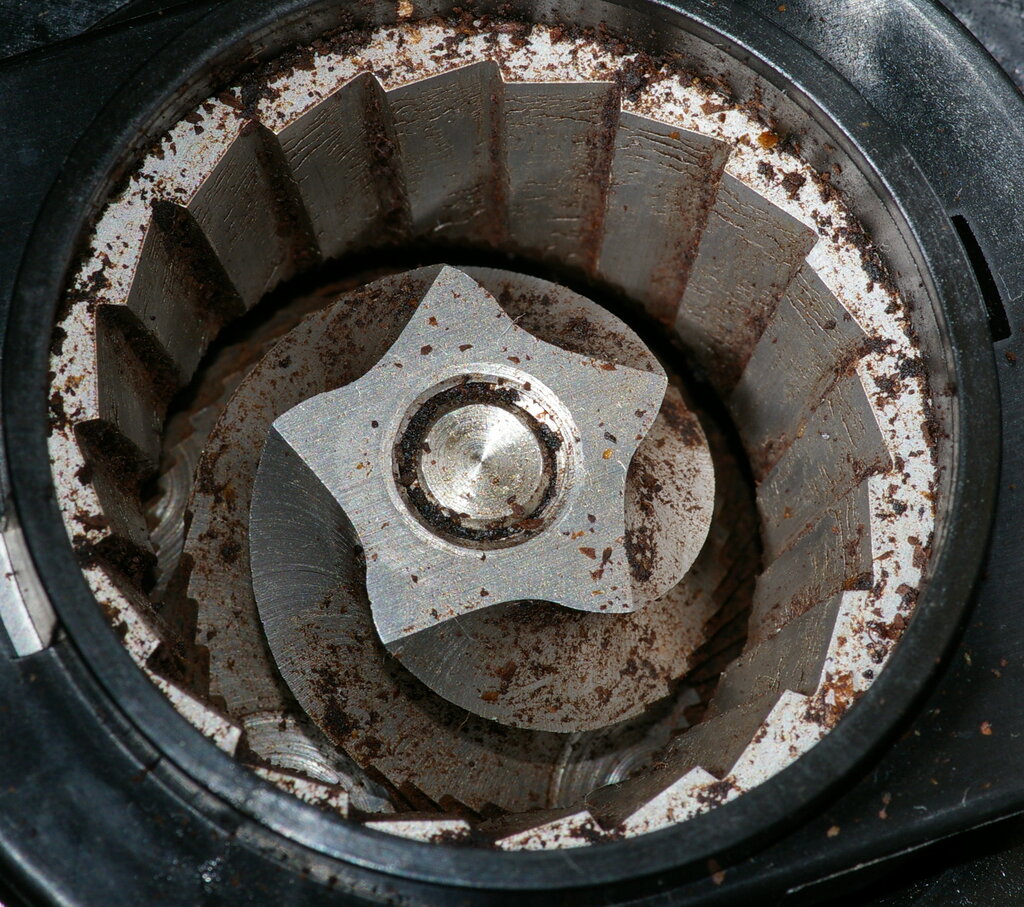
Finally, make sure your equipment is clean. Old coffee grounds and oils can build up in your grinder and brewer over time. These residues can become rancid and impart a bitter, unpleasant taste to fresh coffee.
A quick rinse after each use and a deeper clean with soap or a dedicated coffee equipment cleaner every few weeks will prevent any off-flavors from ruining your brew. A clean brewer allows the true character of the coffee beans to shine through.
Now that you've got the fundamentals down, let's test your knowledge.
What is the primary reason to grind coffee beans immediately before brewing?
If your coffee consistently tastes bitter and harsh, which of these is the most likely cause?
Mastering these basics will set you up for success, no matter which brewing method you choose to explore next.