Coding with Vibe
Introduction to Programming
What Is Programming?
Programming is the process of giving instructions to a computer to perform a specific task. Think of it like writing a very detailed recipe. If you want a friend to bake a cake, you provide a list of ingredients and step-by-step directions. A computer needs the same kind of specific guidance.
Computers don't understand context or ambiguity the way humans do. You can't just tell a computer to "make a game." You have to break that big idea down into thousands of tiny, precise steps. Programming is the art of writing those steps in a way the computer can follow perfectly.
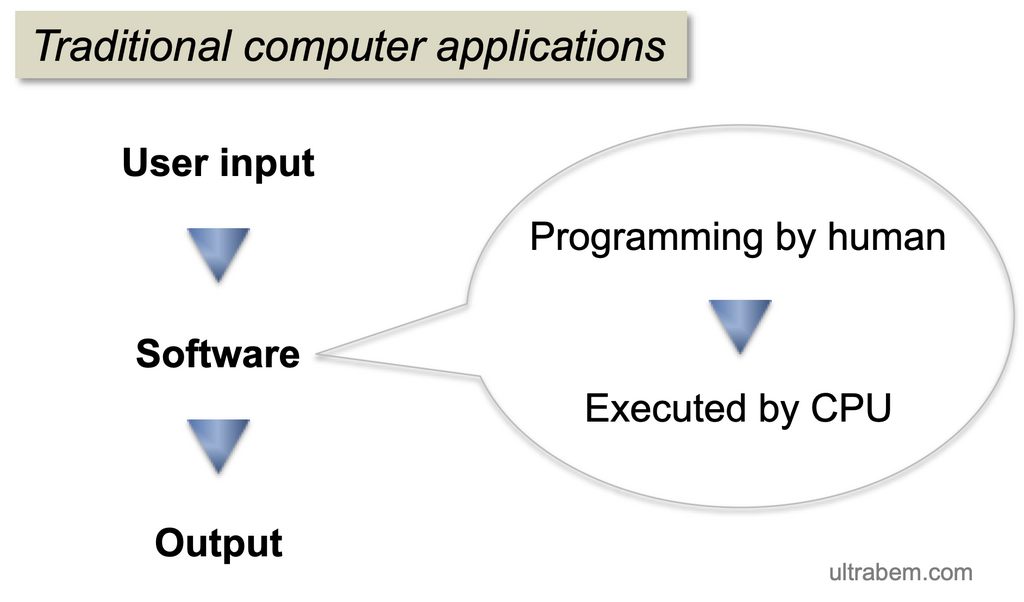
These instructions, collectively called code, can do everything from displaying text on a screen to flying a spacecraft. At its core, all the software you use—from web browsers to video games—is built from these fundamental instructions.
Speaking a Computer's Language
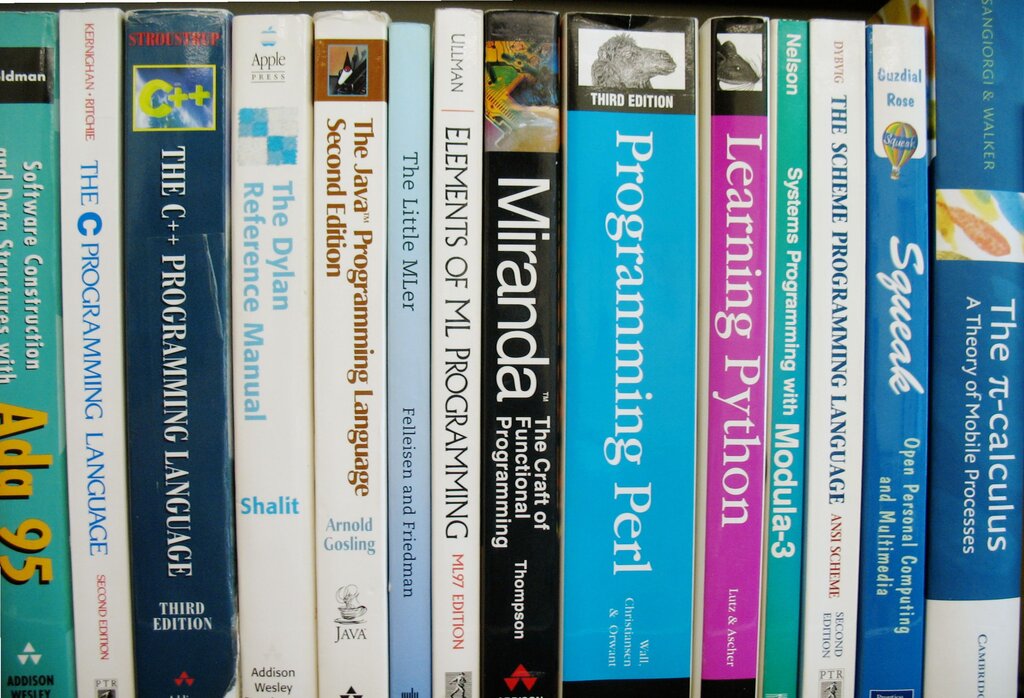
To give a computer instructions, we use a programming language. Just as humans have many languages like English, Spanish, and Mandarin, there are many programming languages, such as Python, JavaScript, and C++. Each has its own rules and vocabulary, known as its syntax.
While human languages are often flexible and full of nuance, programming languages are strict and logical. A misplaced comma or a misspelled word can stop a program from working entirely. This precision is necessary because the computer must interpret your instructions exactly as you've written them. The good news is that once you learn the basic ideas in one language, it becomes much easier to learn others.
Storing Information
Programs need to remember information while they're running. To do this, we use variables. A variable is like a labeled box where you can store a piece of data. You give the box a name, and you can put things in it, take things out, or change what's inside.
For example, in a game, you might have a variable named
scoreto keep track of the player's points or a variable calledplayerNameto store their name.
Here's how you might create a variable named age and store the number 25 in it, shown in the Python programming language:
age = 25
Now, whenever the program needs to know the age, it can just look inside the age box.
Types of Data
Variables can hold different kinds of information, and these are called data types. A computer treats a number very differently from a piece of text. Understanding data types is crucial because they determine what you can do with the data.
Here are a few of the most common data types you'll encounter:
| Data Type | Description | Example |
|---|---|---|
| Integer | Whole numbers, positive or negative. | 42, -100 |
| String | A sequence of characters, like text. | "Hello, world!" |
| Float | Numbers with a decimal point. | 3.14, -0.5 |
| Boolean | A value that can only be True or False. | True, False |
When you create a variable, the programming language often figures out the data type automatically. In our earlier example, age = 25, the computer understands that 25 is an integer. If we wrote playerName = "Alice", it would know that "Alice" is a string.
Focus on having a solid knowledge of loops, conditionals, functions, data types, and (in most languages) object-oriented programming before moving on to learning about that awesome library that everyone's talking about.
Ready to test what you've learned about these core ideas?
What is the primary purpose of programming?
The text compares programming to writing a detailed recipe because both require...
Getting comfortable with variables and data types is a huge first step in your programming journey. They are the building blocks for all the amazing things you'll learn to create next.