Coding Fundamentals for Absolute Beginners
Introduction to Programming
Giving the Computer Instructions
At its heart, programming is simply the act of giving a computer a set of instructions to perform a task. Think of it like writing a recipe for a very literal-minded chef. The chef—your computer—can't guess what you mean. You have to write down every single step, from preheating the oven to the exact cooking time, in a language it understands.
These instructions, collectively called a program or code, can do almost anything. They power the apps on your phone, the websites you visit, and the software that runs your car. Programming allows us to automate repetitive tasks, analyze huge amounts of data, and create the interactive digital experiences we use every day.
A Brief History
Programming didn't start with sleek laptops. The earliest forms of instruction were for mechanical devices, like looms that used punch cards to weave complex patterns. As electronic computers were developed in the mid-20th century, so were the first programming languages. These early languages were very low-level, meaning they were much closer to the computer's native language of ones and zeros. Writing them was a painstaking process.
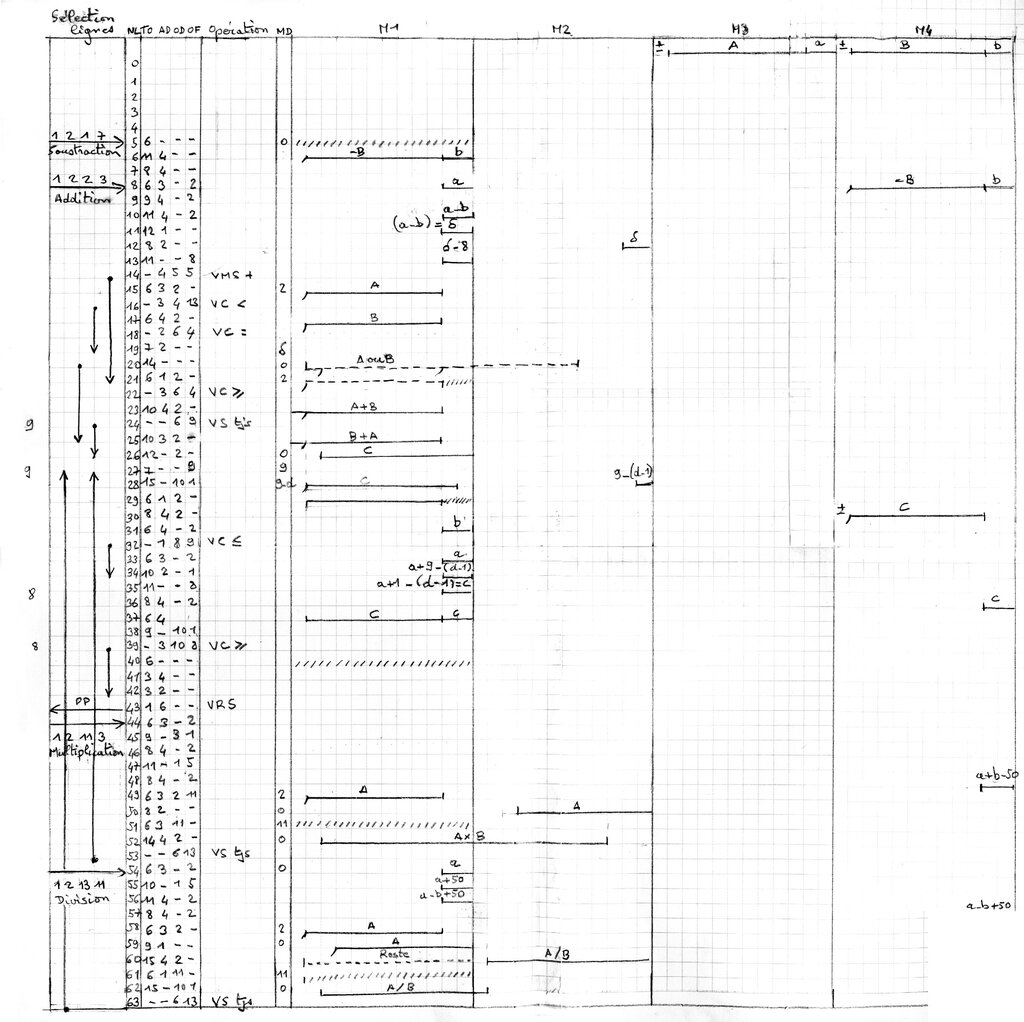
Over time, programmers developed high-level languages. These are more abstract and closer to human language, making them easier to write, read, and maintain. Instead of toggling individual switches or writing raw machine code, programmers could use words and symbols that represented complex operations. This shift made programming accessible to a much wider audience and sparked an explosion in software development.
Languages for Every Job
Today, there are thousands of programming languages, each with its own strengths. Just as a carpenter has different tools for different jobs, a programmer chooses a language based on the task at hand. Some are general-purpose, while others are designed for specific domains like scientific computing or web development.
Here are a few popular examples:
| Language | Common Uses |
|---|---|
| Python | Data science, machine learning, web development, automation |
| JavaScript | Building interactive websites and web applications |
| Java | Large-scale enterprise systems, Android app development |
Despite their differences, most modern languages share fundamental concepts. Learning one language makes it much easier to pick up another.
The Anatomy of a Program
Every programming language has its own rules, just like human languages have grammar. These rules are known as the language's syntax. If you break the syntax—say, by forgetting a comma or misspelling a command—the program won't run. It's like writing a sentence with jumbled words; the meaning is lost.
But syntax is only half the story. A program must also have correct semantics, which refers to the meaning or logic of the instructions. Your code might have perfect syntax, but if the logic is flawed, it won't do what you intended. This is like writing a grammatically perfect sentence that doesn't make sense, such as "The bicycle drank the sky."
A program must be correct in both its syntax (the structure) and its semantics (the meaning) to work as expected.
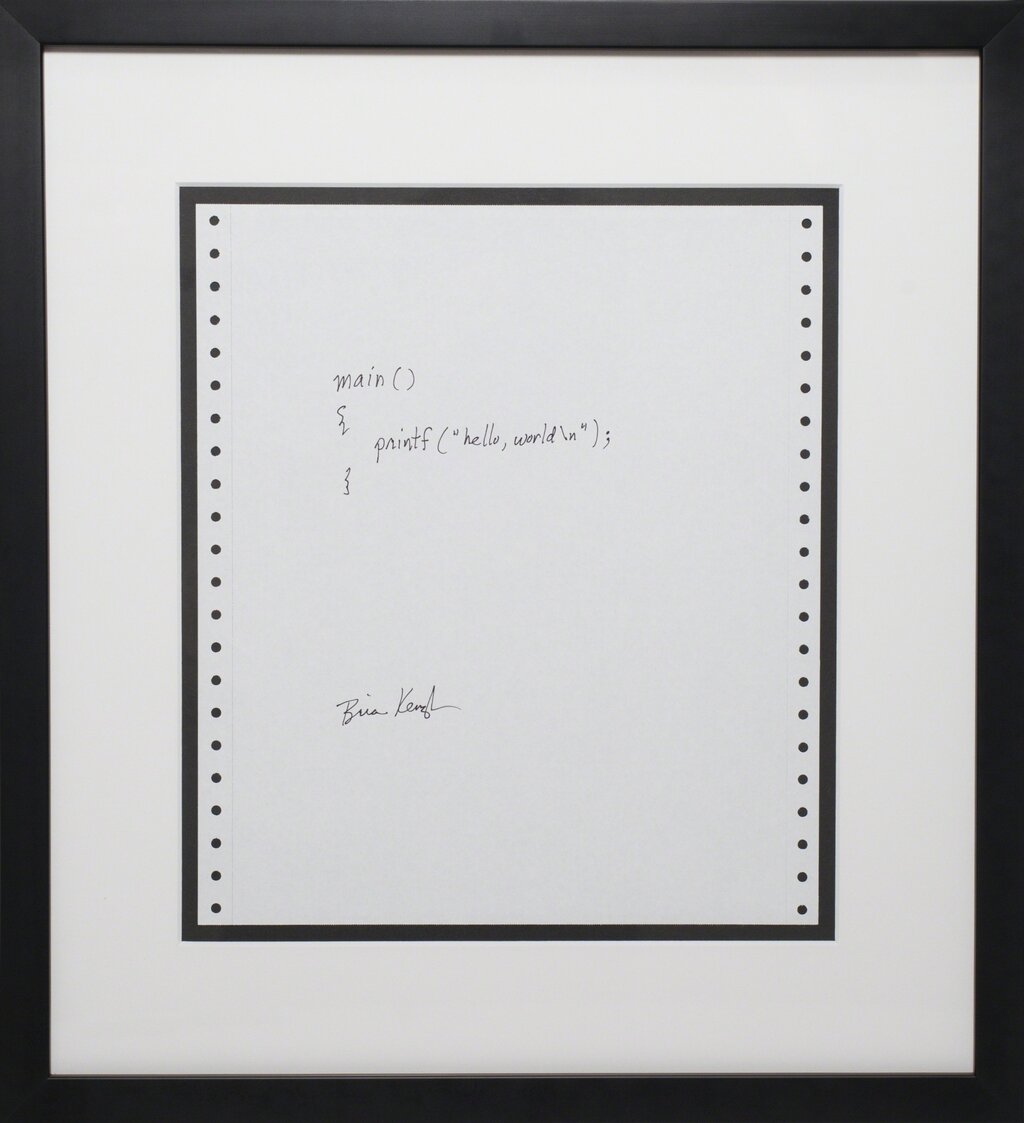
To get a feel for this, programmers often start with a "Hello, World!" program. It's a simple tradition where the goal is to make the computer display the text "Hello, World!". While the syntax differs between languages, the semantic goal is always the same.
A Programmer's Workshop
Programmers write code using tools that make the job easier. At a minimum, you need a simple text editor. But most developers use an Integrated Development Environment (IDE). An IDE is like a digital workshop that bundles together all the essential tools: a text editor with features like syntax highlighting, tools for running and debugging code, and ways to manage large projects.
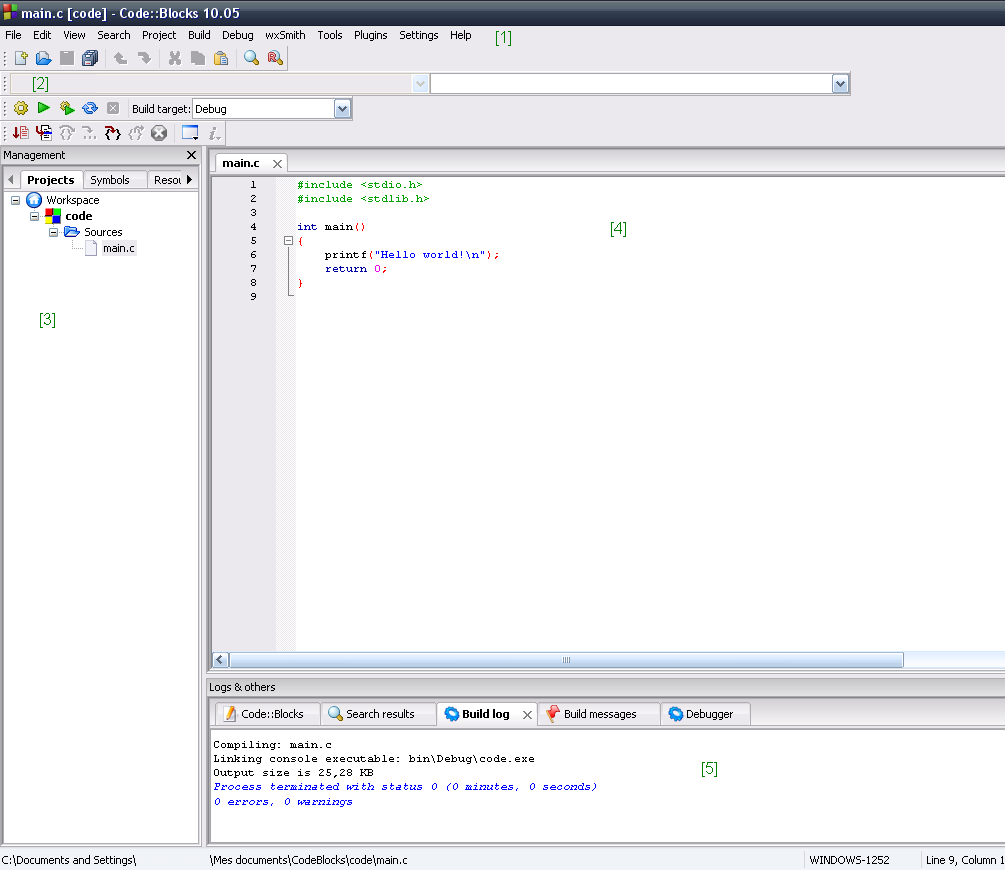
These tools handle the work of translating the human-readable code you write into the machine code that the computer's processor can actually execute. Understanding these fundamental concepts is the first step on the journey to writing your own programs.