Coding Fundamentals
Introduction to Programming
What Is Programming?
At its heart, programming is simply giving a computer a set of instructions to perform a task. Think of it like writing a recipe. A recipe lists ingredients and step-by-step directions to create a dish. A computer program does the same, listing commands for the computer to follow to achieve a result, whether it's displaying a webpage, calculating a sum, or running a game.
Computers are powerful, but they aren't smart in the human sense. They can't guess what you mean or fill in the blanks. They need every single step to be spelled out with perfect clarity and logic. Programming is the skill of breaking down a large task into these tiny, precise instructions that a computer can understand and execute.
Talking to Computers
We can't just write instructions for a computer in English or any other human language. At their most basic level, computers only understand electrical signals representing ones and zeros. This is called binary code, and it's incredibly tedious for people to write.
This is where programming languages come in. They act as a bridge between human thoughts and the computer's binary world. A programming language provides a set of words, symbols, and rules that let us write instructions in a way that's more readable for us. Then, a special program called a compiler or interpreter translates our code into the binary instructions the computer can execute.
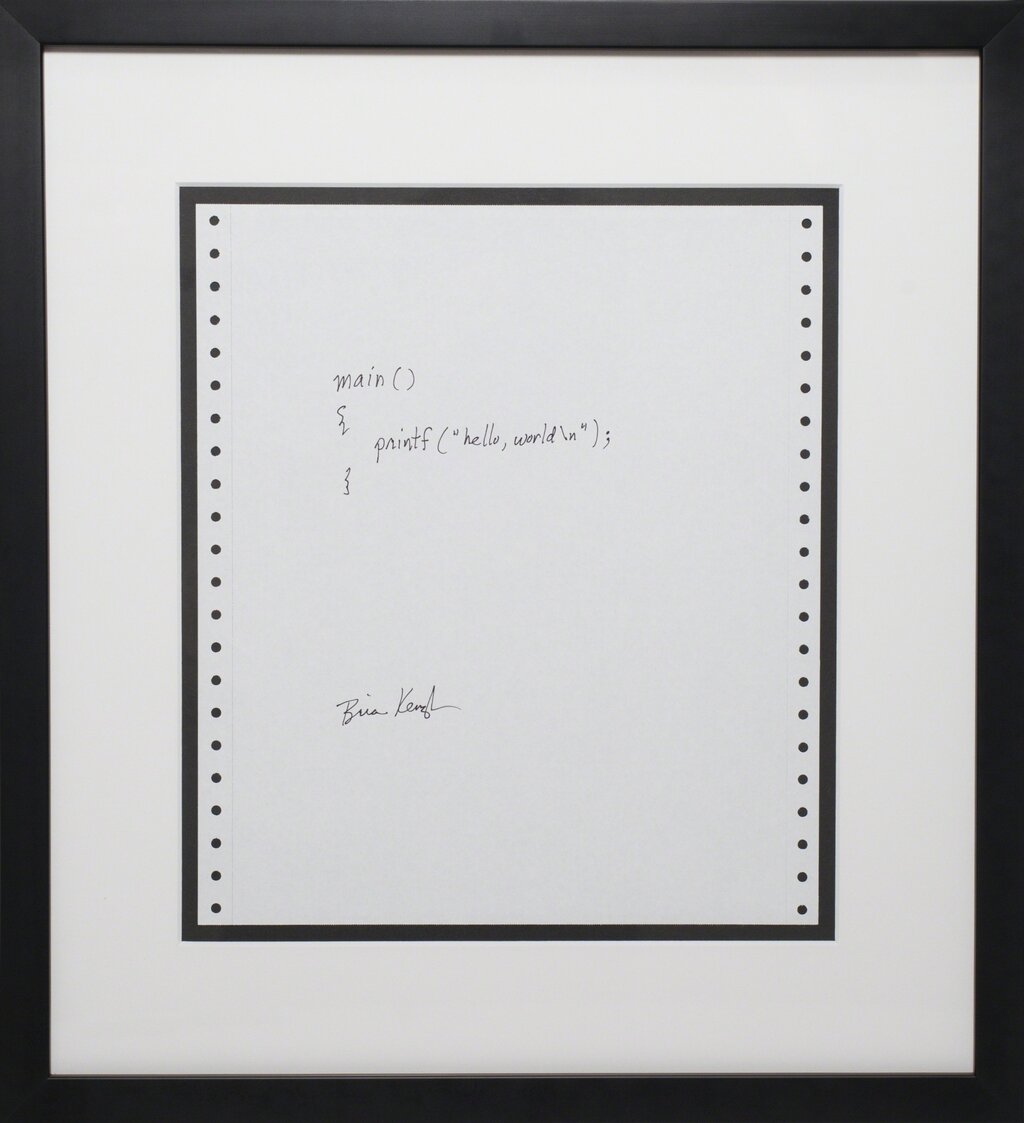
There are hundreds of programming languages, like Python, Java, and C++. Each has its own strengths and is suited for different tasks, much like a carpenter has different tools for cutting, hammering, and sanding. The choice of language depends on the job you want to do.
The Anatomy of a Program
Every programming language has two key components: syntax and semantics. To write a successful program, you need to get both right.
syntax
noun
The set of rules that dictates the correct structure of statements in a programming language.
Syntax is like grammar in a human language. It defines how words and symbols must be arranged to form a valid statement. If you write cat the chased dog the, the syntax is wrong. We know the words, but the order is jumbled. Similarly, if you break a programming language's syntax rules, the computer won't understand the instruction and will report an error.
semantics
noun
The meaning or logic behind a syntactically correct statement in a program.
Semantics refers to the meaning of your instructions. A program can have perfect syntax but still not do what you want it to do because the logic is flawed. For example, the English sentence "The bicycle rode the boy" has correct grammar but makes no logical sense. In programming, this could be an instruction to add two numbers when you actually meant to subtract them. The program will run, but the result will be wrong.
A program must be syntactically correct for the computer to run it, but its semantics must be correct for it to produce the right result.
Most programs are just a series of these carefully crafted instructions, executed one after another from top to bottom. Learning to program is about learning the syntax of a language and, more importantly, learning how to express your intended logic through its semantics.
What is the primary role of a programming language?
The rules for how words and symbols must be arranged in a programming language are known as its ________.