COBOL DB2 Development
Introduction to COBOL
An Enduring Legacy
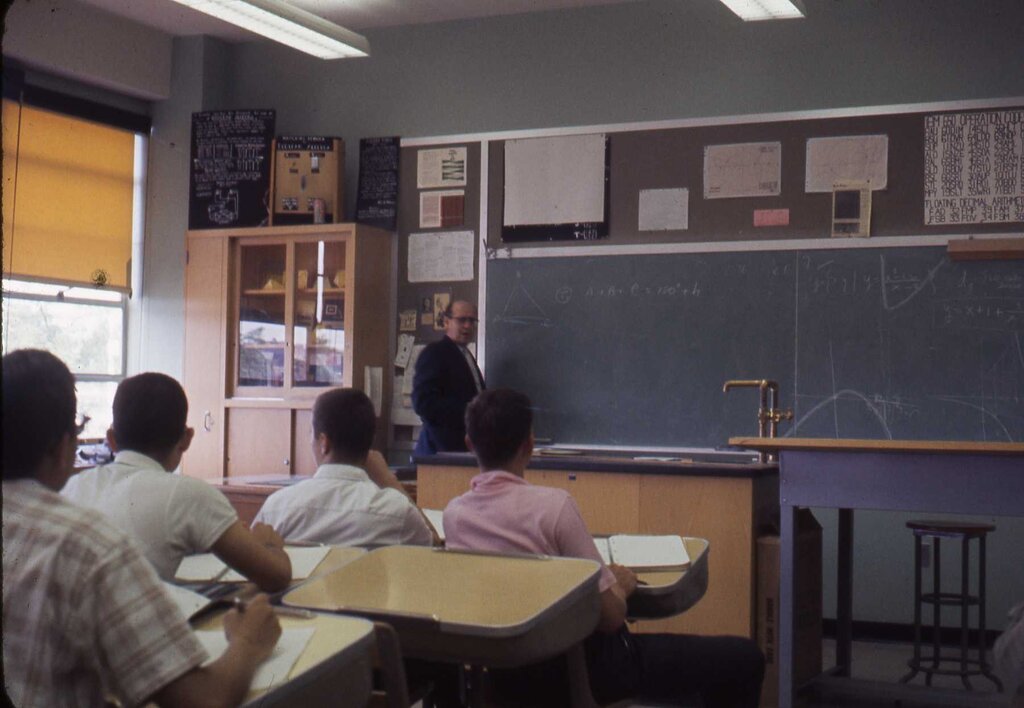
In 1959, the world of computing was a wild frontier. Programs were often written in complex, machine-specific languages that were difficult to read and maintain. A committee of researchers from private industry and government, with significant influence from computer pioneer Grace Hopper, set out to create something different: a programming language for business.
The result was COBOL, which stands for COmmon Business-Oriented Language. The goal was simple but revolutionary. They wanted a language that was portable between different computers and could be understood by non-programmers, like managers and analysts. It needed to be stable, reliable, and excellent at handling the large amounts of data involved in business transactions.
Designed for Readability
COBOL's most distinctive feature is its syntax. It was designed to look and read like plain English. Instead of cryptic symbols, COBOL uses familiar words and sentences. This self-documenting style makes the code's purpose clear, which is crucial for systems that need to be maintained for decades.
A COBOL program is meant to be read by people first, and computers second.
For example, to add two numbers, you might write a line of code that looks like a simple command:
ADD PURCHASE-PRICE TO SALES-TAX GIVING TOTAL-COST.
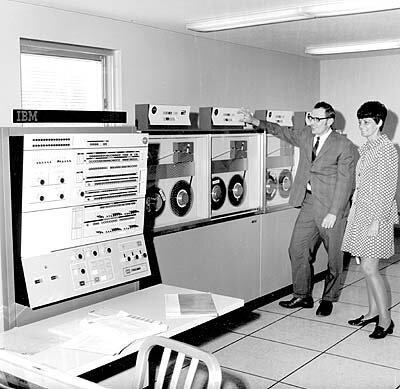
This focus on clarity and data processing made COBOL the go-to language for developing large-scale systems for banking, insurance, government agencies, and payroll. For decades, it was the backbone of the global economy, running on powerful mainframe computers.
A Program in Four Parts
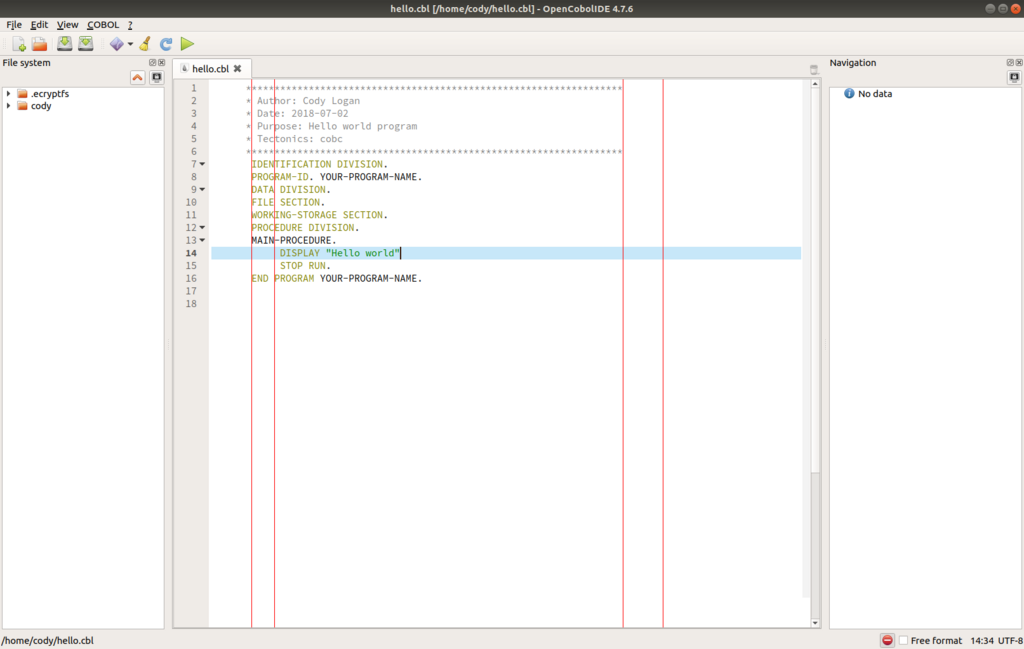
Every COBOL program has a strict, hierarchical structure. It's organized into four main sections, called divisions. This rigid format ensures that programs are consistent and easy to navigate, no matter who wrote them.
| Division | Purpose |
|---|---|
| IDENTIFICATION | Provides metadata about the program, like its name, author, and date written. It's the program's official ID card. |
| ENVIRONMENT | Describes the computer environment where the program will run, including hardware and file assignments. It links the program to external files. |
| DATA | Defines all the variables, records, and data structures the program will use. Every piece of data is meticulously described here. |
| PROCEDURE | Contains the program's logic. It's where the actual work happens, using the data defined in the Data Division to perform calculations and operations. |
This structure provides a clear separation of concerns. You know exactly where to look for information about the program, its data, or its logic.
COBOL in the Modern World
You might think of COBOL as a relic of the past, but it's very much alive. A huge percentage of the world's business transactions, especially in banking and finance, still run on COBOL code. These are mission-critical systems that have been running reliably for decades.
While new applications are rarely started in COBOL, the need to maintain, update, and modernize these existing systems is immense. The language has evolved over the years, incorporating modern features, but its core principles of stability and readability remain. Understanding COBOL isn't just a history lesson; it's a look into the engine room of global commerce.