Cob Construction for the Arizona Desert
Desert Soil Engineering
Engineering Desert Cob
Building with earth in the Sonoran Desert presents unique challenges. The region's geology, characterized by high-alkalinity soils and extreme temperature swings, requires a more technical approach than standard cob construction. We'll move beyond basic soil analysis to focus on the specific geotechnical assessments needed to create a durable, high-performance 'desert mix' using local materials.
The Caliche Problem
A primary obstacle in Southern Arizona is caliche, a natural cement of calcium carbonate that binds soil particles into rock-hard layers. While strong, caliche is not a suitable binder for cob. It doesn't have the plasticity of clay and will create brittle, weak points in your walls. Its presence compromises the purity and performance of your clay-rich subsoil.
Caliche
noun
A hardened natural cement of calcium carbonate that binds other materials—such as gravel, sand, clay, and silt. It is common in arid or semiarid regions.
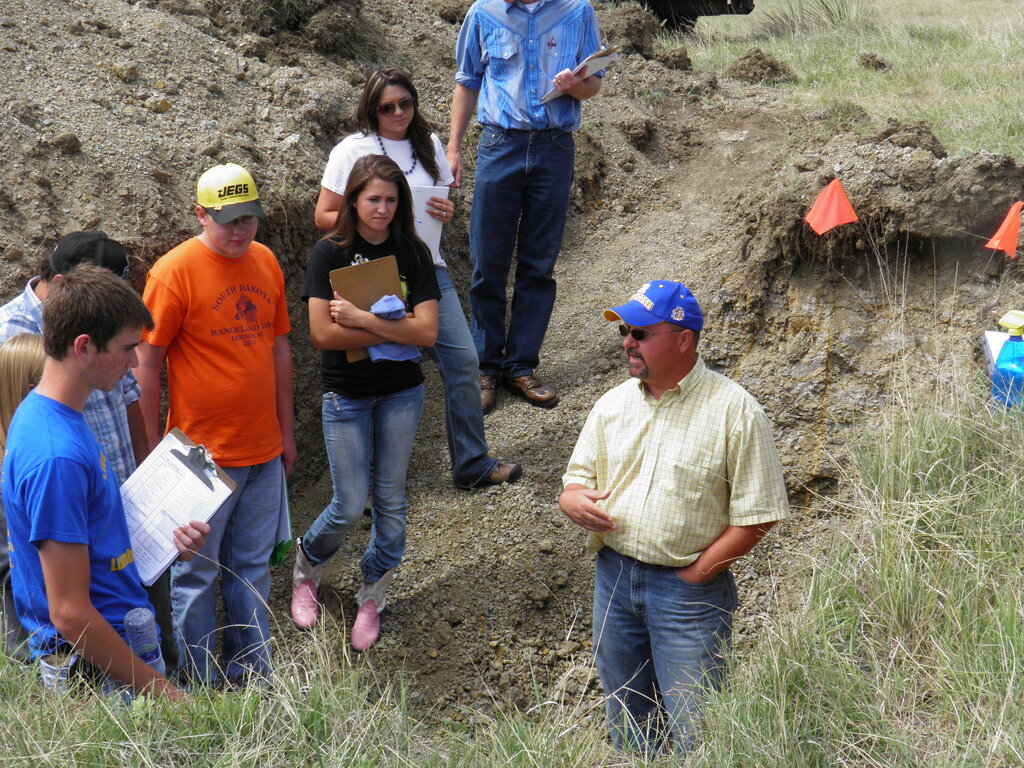
Identifying caliche is straightforward. Visually, it appears as whitish, cement-like nodules or solid layers within the soil profile. For a definitive test, place a small amount of the suspected material in a container and add household vinegar. If it fizzes or bubbles, you've confirmed the presence of calcium carbonate. All visible caliche must be meticulously screened and removed from your soil before mixing to ensure the clay can form a proper, uniform bond.
Precision Shrinkage Testing
While jar and ribbon tests give a rough idea of soil composition, they aren't precise enough for engineering a stable desert mix. The linear shrinkage test is essential for dialing in the correct clay-to-aggregate ratio. This test quantifies how much a soil sample shrinks as it dries, which directly correlates to the amount of expansive clay present and the potential for cracking.
For Sonoran desert cob, the goal is a linear shrinkage rate between 2% and 5%. Less than 2% suggests not enough clay to create a strong bond. More than 5% indicates an excess of expansive clay, leading to significant cracking as the cob dries and cures.
To perform the test, you create a small bar of your potential cob mix, measure its initial length, let it dry completely, and then measure it again. If your shrinkage is too high, you systematically add more sand or aggregate and re-test until you fall within the target 2-5% range. This iterative process is crucial for preventing structural cracks caused by the desert's extreme thermal cycling.
Aggregates and Soil Chemistry
The high alkalinity (high pH) of Sonoran soils can affect the chemical bonds within the clay. While this isn't something you typically neutralize, it is a factor to consider when selecting aggregates. The goal is to create a mix that is structurally robust, with particles of varying sizes locking together.
Your primary aggregates will be sand and possibly small gravel. The choice between pit sand and river sand is important.
- Pit Sand: This sand is mined from pits and has angular, sharp grains. These sharp edges interlock well, creating a stronger, more stable cob mix. It's generally preferred for structural applications.
- River Sand: This sand is harvested from riverbeds. Its grains are smooth and rounded from water erosion. While easier to work with, the rounded particles don't lock together as effectively, which can result in a weaker final product.
For a strong desert mix, a well-graded pit sand is the superior choice. You want a range of sand particle sizes to fill all the voids between larger aggregates, creating a dense and durable material.
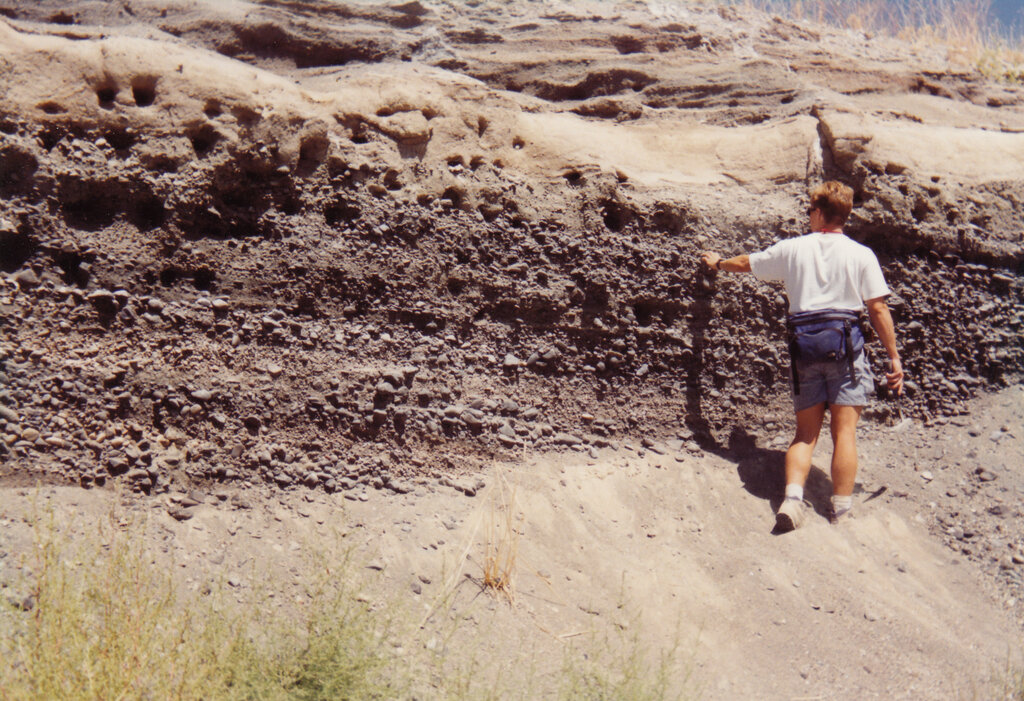
Finally, Sonoran subsoils are characteristically low in organic matter. Unlike in temperate climates, you won't find rich, dark topsoil. This isn't a problem; in fact, it's a benefit. Organic material can decompose, creating voids and weakening the cob structure over time. The mineral-rich, low-organic subsoils of Pima County and surrounding areas are ideal binders precisely because of their purity. Your job is simply to balance this potent binder with the right amount and type of aggregate to control shrinkage and maximize strength.
Now, let's test your understanding of these site-specific engineering principles.
When testing a soil sample from the Sonoran Desert with vinegar, what indicates the presence of caliche?
A builder performs a linear shrinkage test on a potential cob mix and finds the shrinkage rate is 8%. What does this result indicate, and what is the correct course of action?
By moving beyond general techniques and applying these specific geotechnical assessments, you can confidently engineer a cob mix that is perfectly adapted to the unique demands of the Sonoran Desert.