Coastal First Nations of British Columbia History
Introduction to Coastal First Nations
The People of the Coast
The coast of what is now British Columbia is a landscape of dramatic fjords, dense rainforests, and countless islands. For thousands of years, this region has been home to vibrant and complex societies. These are the Coastal First Nations, a collection of distinct peoples whose cultures are deeply woven into the fabric of the land and sea.
Their communities thrived on the rich resources of the Pacific Ocean and the coastal forests. Cedar trees provided wood for enormous longhouses, masterful canoes, and intricate carvings. The annual salmon runs were, and still are, a cornerstone of life, shaping economies, spiritual practices, and social structures.
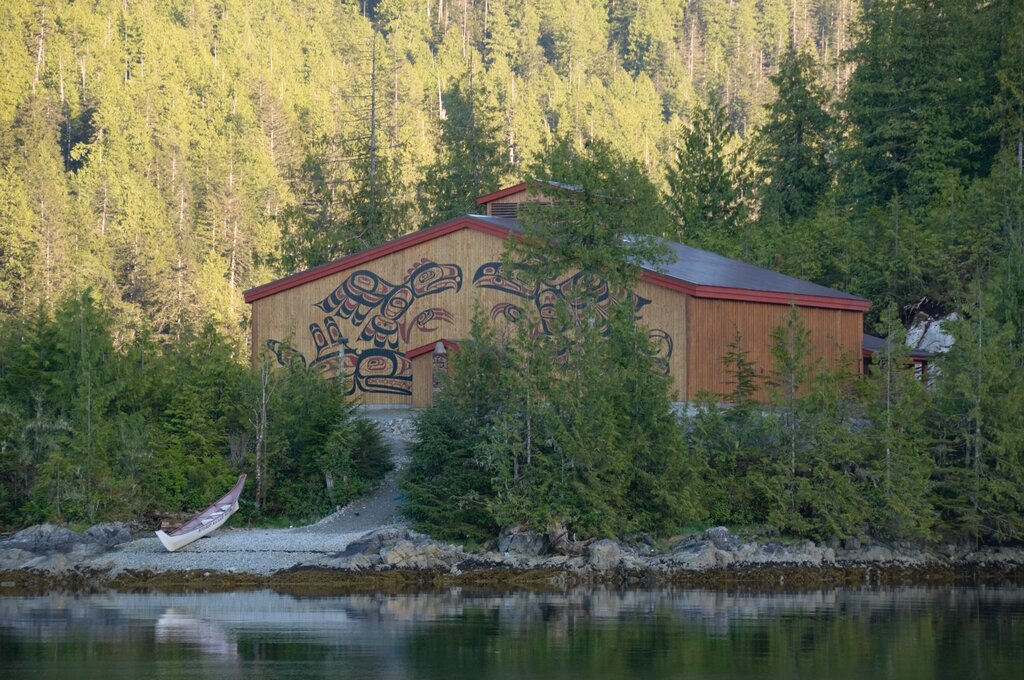
Each nation has its own ancestral homeland, known as a traditional territory. These territories are not just geographical areas; they are the foundation of identity, history, and law. They encompass everything from fishing grounds and hunting areas to sacred sites and village locations passed down through generations.
A Tapestry of Nations
While sharing a common coastal environment, the First Nations of this region are incredibly diverse. They are often grouped by shared cultural and linguistic traits. Here are six of the major cultural groups, each a unique thread in the coastal tapestry.
The Haida Nation's territory is Haida Gwaii, an archipelago off the northern coast. They are renowned for their monumental totem poles and sophisticated, flowing art style.
The Tsimshian peoples' homeland includes the Nass and Skeena River watersheds on the mainland. Their name translates to "Inside the Skeena River."
The Nuxalk Nation is centered around the Bella Coola Valley on the central coast. Their territory bridges the coastal world with the interior plateau.
The Kwakwaka'wakw live on northeastern Vancouver Island and the adjacent mainland. They are known for their rich ceremonial life, including the famous potlatch.
The Nuu-chah-nulth territories cover the rugged west coast of Vancouver Island. They have a deep maritime heritage as whale hunters and ocean travelers.
The Coast Salish are the largest and most linguistically diverse group, with territories stretching from the southern tip of Vancouver Island through the Fraser Valley and into Washington State.
A Diversity of Languages
This cultural diversity is mirrored in the region's languages. Before contact with Europeans, dozens of distinct languages were spoken along the coast. These languages belong to several different language families, some as different from each other as English is from Japanese. For example, the Haida language is an isolate, meaning it's unrelated to any other known language in the world.
Many of these languages are critically endangered today, but communities are working tirelessly to revitalize them and pass them on to new generations.
This introduction only scratches the surface of the rich and ancient cultures of the Coastal First Nations. Each nation has its own history, governance, and worldview, all shaped by an enduring relationship with their coastal homelands.